
Last Updated on 21st April 2026 by admin
Austria is known for its historic landmarks, cultural heritage, and well-preserved architecture. The country is home to a wide range of attractions, including castles, palaces, old towns, and natural landscapes such as mountains and valleys. These locations reflect architectural styles such as Gothic, Baroque, and Romanesque, which developed over several centuries.
From historic fortresses to cultural landmarks in cities like Vienna and Salzburg, Austria offers a mix of history and natural beauty. These places are not only important for tourism but also provide insight into the country’s past and development. Here are some of the most famous tourist attractions in Austria, known for their historical and cultural significance.
1. Hochosterwitz Castle, Launsdorf
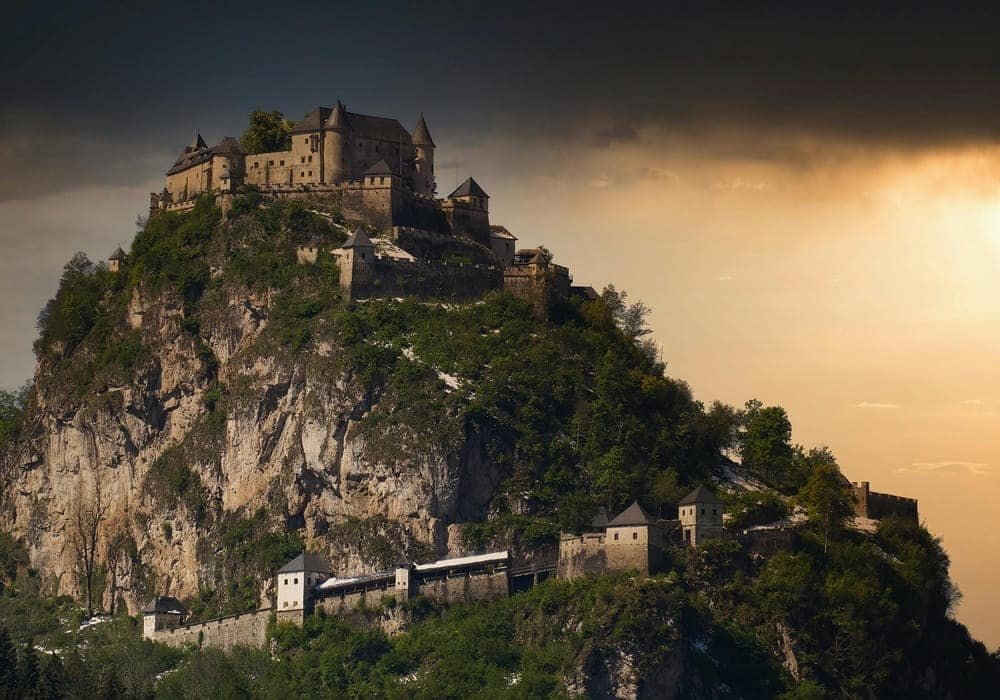
Hochosterwitz Castle is a well-known landmark in Austria, located near Launsdorf in the state of Carinthia. This historical rock castle is estimated to be 860 years old and is located on a dolomite rock that is approximately 173 meters above the plain. It is also considered one of the famous castles in the world, known for its strong defensive design and elevated position.
The height of Hochosterwitz Castle provided a clear view of the Zollfeld plain and the surrounding alpine region. A notable feature of the castle is its access route, which passes through 14 fortified gates. Each gate was designed with defensive features in order to slow down the attackers and secure the building. A steep and narrow path leads up to the castle, adding another layer of security and making direct access difficult.
The strategic design and location of the castle made it very difficult to conquer. Today, Hochosterwitz Castle is open to visitors during certain months and also houses collections of historical weapons, armor, and artifacts related to its history.
2. Mirabell Palace, Salzburg
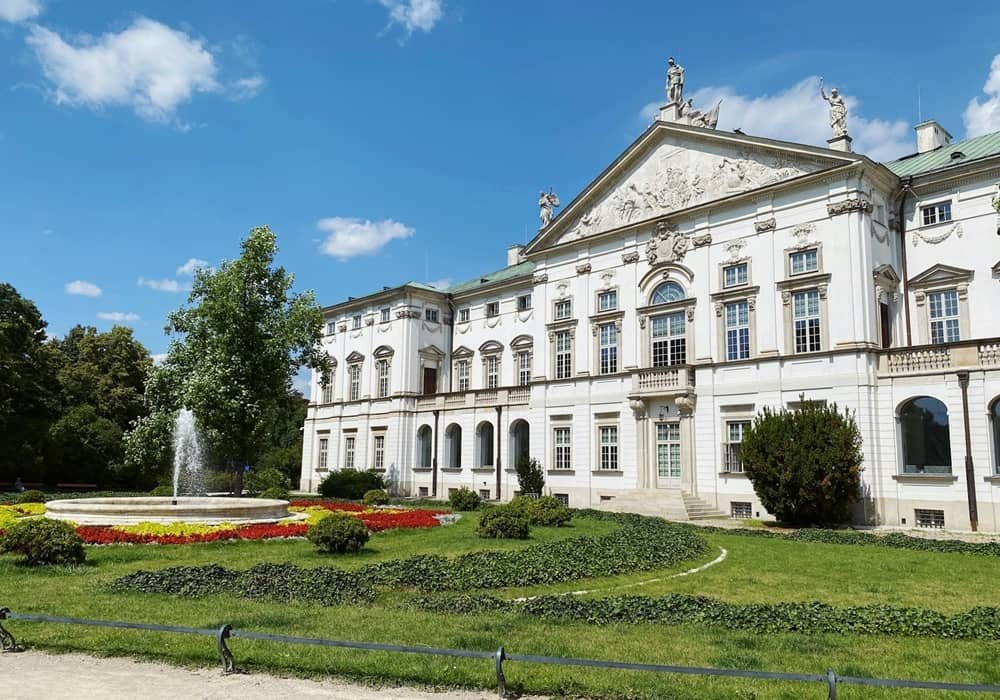
Mirabell Palace is a historic building located in Salzburg, Austria, on the banks of the Salzach River. It was built in 1606 by Prince-Archbishop Wolf Dietrich von Raitenau and later redesigned in the Baroque style, which is reflected in its architecture and interior decoration. The palace has undergone several restorations over time to preserve its original structure and design.
The main attraction of Mirabell Palace is its formal garden, which is laid out in a symmetrical pattern with statues, fountains, and decorative elements. The gardens are accessible to the public and usually utilized in cultural events, photography, and local events. The palace and its gardens are part of the UNESCO World Heritage area of Salzburg.
The building has also been used for official functions and ceremonies throughout its history. The local administration utilizes some sections of the palace, and visitors are allowed to access sections such as the Marble Hall, which is sometimes used to hold concerts and events.
3. Hofburg Imperial Palace, Vienna
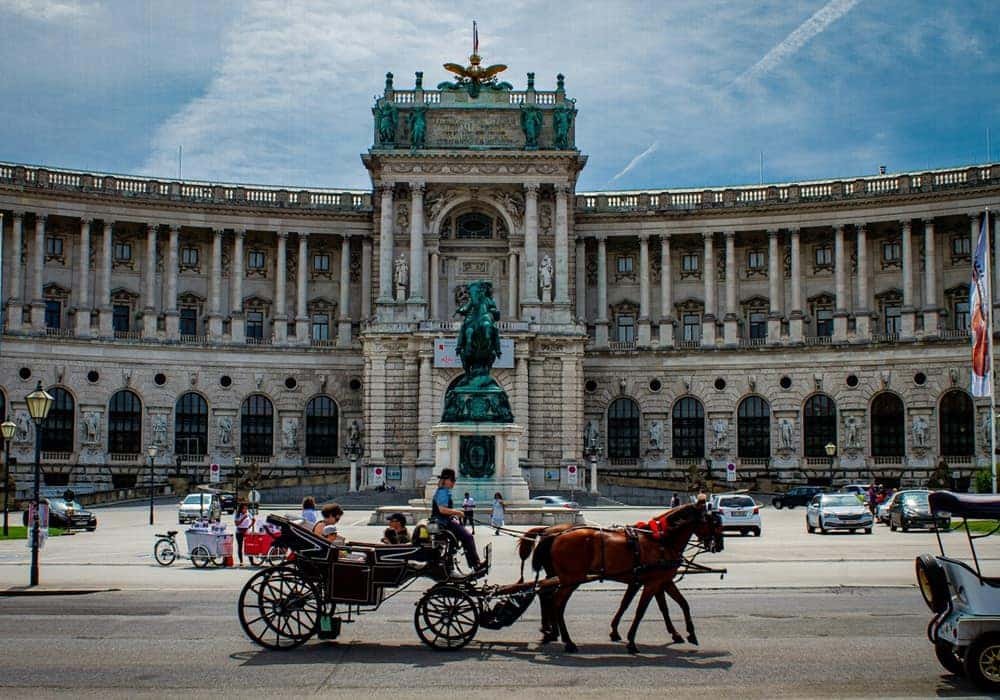
Located in the center of Vienna, Hofburg Imperial Palace is one of the most notable historical complexes in Austria. Construction started in the 13th century and it continued to grow with additions of new parts by various rulers. The palace was the home of the Habsburg dynasty over a number of centuries.
This complex consists of various buildings, courtyards, and significant parts, including the Imperial Apartments, Hofburg Chapel, and the Austrian National Library. Its structure represents a fusion of styles, such as Gothic, Renaissance, and Baroque, which were created at various times.
Hofburg Palace continues to serve an official role, as it is the workplace and residence of the President of Austria. It also serves as a cultural site and has museums and open spaces where people can get information about the history and government of the country. This beautiful palace is another gem and one of the must see attractions in Austria.
4. Hallstatt Old Town
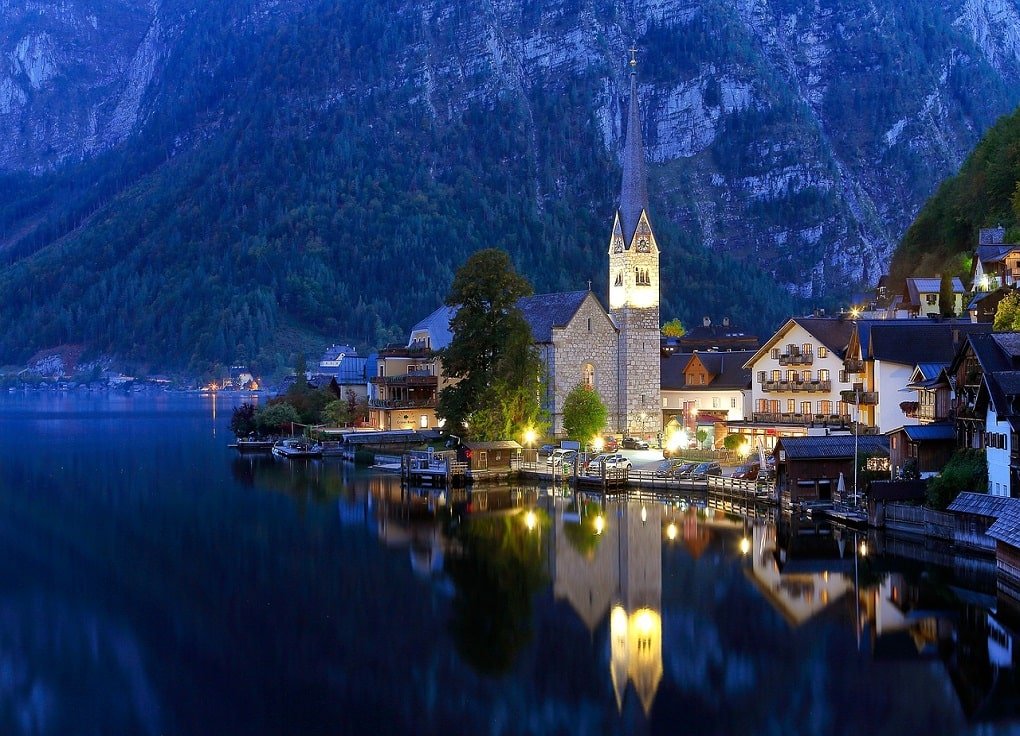
The Hallstatt Old Town is a lakeside settlement in the Salzkammergut of Austria. It is located in the Hallstätter See, Dachstein mountains, which provides it with a unique geographical location. The area has a long history linked to salt production, which dates back to prehistoric times.
The town consists of narrow streets, traditional houses, churches, and small public squares. Both natural conditions and economic activities connected with mining and trade have influenced its development. Due to its cultural and historical importance, Hallstatt is part of a UNESCO World Heritage Site.
Hallstatt remains a residential town while also receiving a high number of visitors, making it one of the famous tourist attractions in Austria. Tourism is regulated with infrastructure like walking tracks, viewing points, and local amenities to enhance everyday activity and transportation.
5. Schönbrunn Palace, Vienna
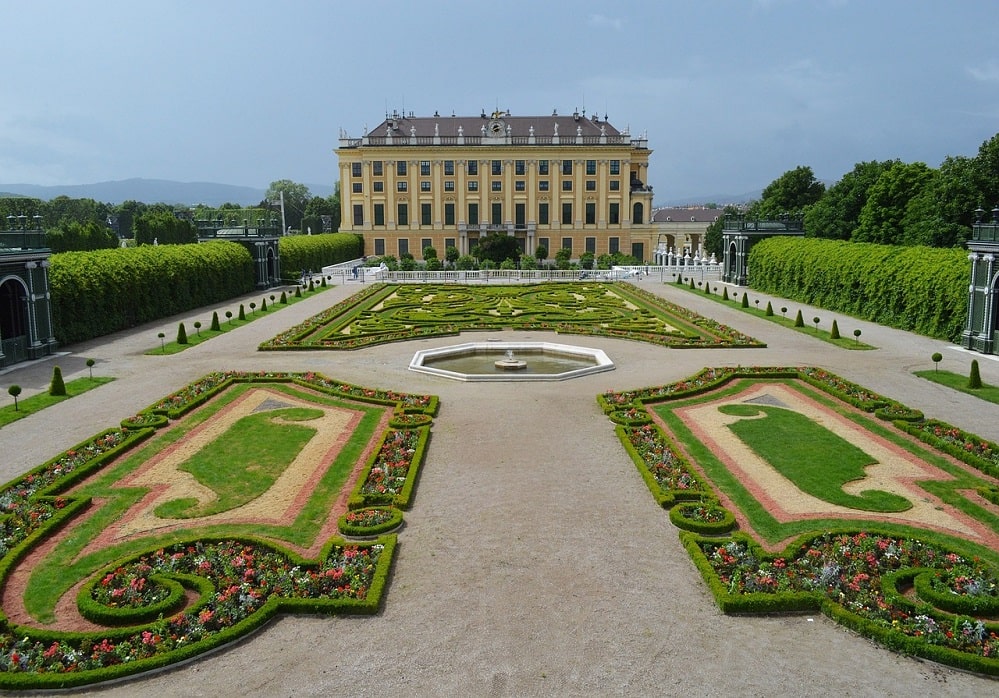
Schoenbrunn Palace is an old house situated in the Hietzing part of Vienna, Austria. It was also the summer palace of the Habsburg monarchs and was built up primarily in the 17th and 18th centuries. The palace is designed in the Baroque architectural style and includes a large complex of buildings and gardens. It is one of the most visited tourist spots in Austria, welcoming more than 3 million visitors every year.
The palace has more than 1,400 rooms, although only a portion of them are open to the public. It has decorated halls, state rooms and galleries that depict the way of life of the imperial family. The nearby gardens also have fountains, statues, and walking paths and constructions like the Gloriette, which overlooks the palace grounds.
Schönbrunn Palace is an important cultural site and is part of a UNESCO World Heritage Site. It is accessible to visitors and is among the most frequently visited historic sites in Austria. The site also includes museums and guided tours that provide detailed information about its history and architecture.
6. Melk Benedictine Abbey
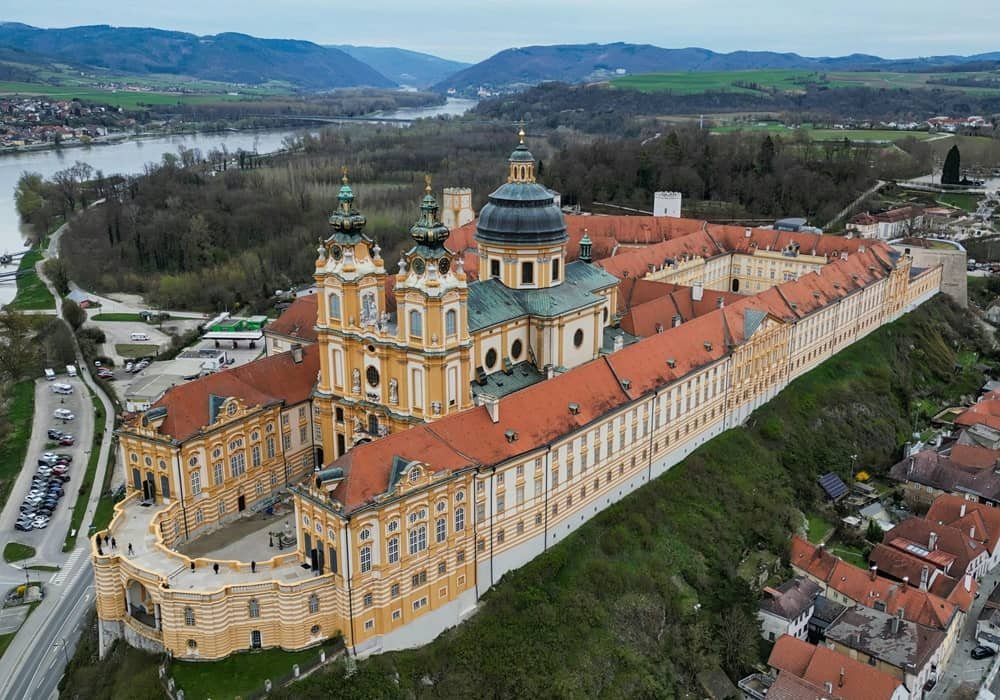
Melk Benedictine Abbey is a historic monastery located above the town of Melk in Austria, overlooking the Danube River in the Wachau Valley. Rebuilding of the abbey started in 1702 and was finished in 1736 following the Baroque style of architecture and has continued to serve as a religious place of worship over the centuries.
The complex consists of a church, library, museum, and monastic buildings. Its interior features detailed frescoes, decorated ceilings, and a large collection of manuscripts, including religious and historic texts. The abbey also represents the cultural and architectural progress of the area in the Baroque period.
Melk Abbey is open to visitors and offers guided tours that provide information about its history, architecture, and daily monastic life. It is rich in history and cultural landmark in Austria due to its elevated position that provides clear views of the surrounding valley as well as the river.
7. Belvedere Palace, Vienna

Belvedere Palace is a historic complex located in Vienna, Austria, consisting of two main buildings known as the Upper and Lower Belvedere. It was constructed in the early 18th century as a summer house of Prince Eugene of Savoy and is architecturally designed in Baroque style.
The complex is organized around an axis where there are formal gardens linking the two palaces. These gardens have fountains, sculptures and landscaped walks which are reminiscent of classical European design. It is one of the best places to visit in Austria, with spacious halls, galleries, and decorated interiors.
Belvedere Palace now functions as a museum complex and houses an extensive collection of Austrian art, including works from the medieval period to modern times. Visitors are welcome there and the site is a significant cultural location in Vienna.
8. Hohensalzburg Castle, Salzburg
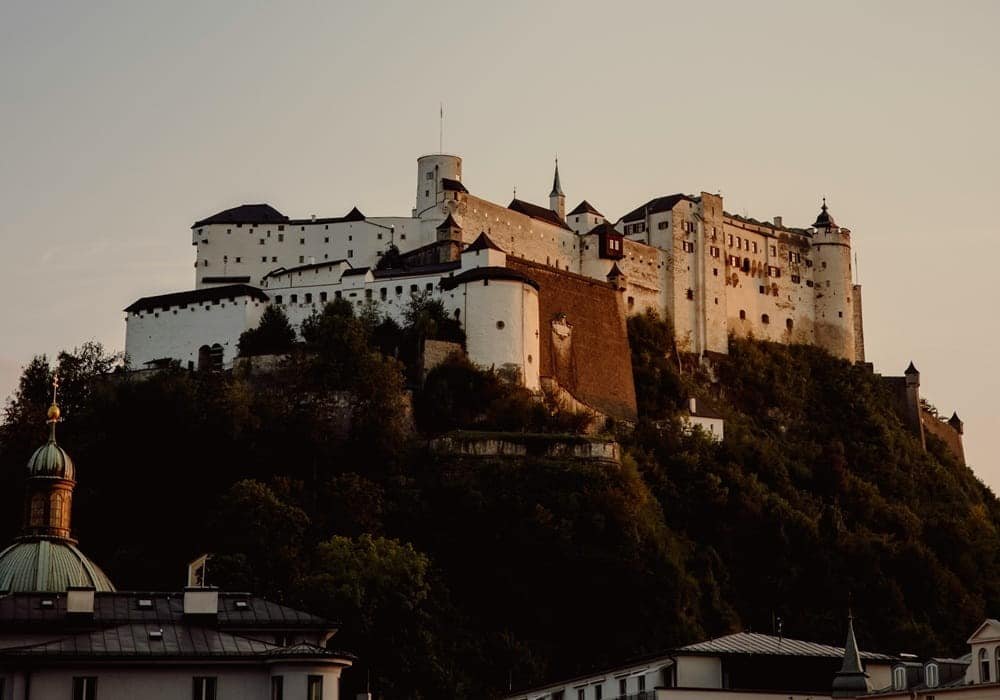
Hohensalzburg Castle is a large medieval fortress located in Salzburg, Austria, on top of the Festungsberg hill. Originally, it was constructed in 1077 by Archbishop Gebhard and was extended during several centuries. Due to its elevated position, the castle provided strong defense and control over the surrounding region.
The fortress includes multiple sections such as courtyards, towers, chapels, and residential areas. It was not only a military stronghold but a home of archbishops and sometimes a prison. Over the years, additions and modifications were made, resulting in a mix of architectural elements from different periods.
Hohensalzburg Castle is accessible by foot or by a funicular railway, making it easier for visitors to reach the site. It houses museums displaying historical items such as weapons, musical instruments, and everyday objects. The site also has panoramic views of the Salzburg city and landscape.
9. St. Stephen’s Cathedral, Vienna

St. Stephen’s Cathedral, also known as Stephansdom, is located in the center of Vienna and serves as the main church of the city. Its construction began in the 12th century and continued over several centuries, resulting in a combination of Romanesque and Gothic architectural styles. It is among the most renowned religious constructions in Austria.
The cathedral features a tall south tower, a large nave, and a patterned tile roof that has become a distinctive element of its design. The interior also contains several altars, sculptures, and historical artifacts that demonstrate various stages of evolution. There has also been a restoration work on the structure which was damaged during the Second World War.
St. Stephen’s Cathedral is still active place of worship, at the same time a large cultural and historical tourist site. Visitors can access certain areas, including the towers and catacombs, while guided tours provide additional information about its history and architecture.
10. Altstadt Innsbruck
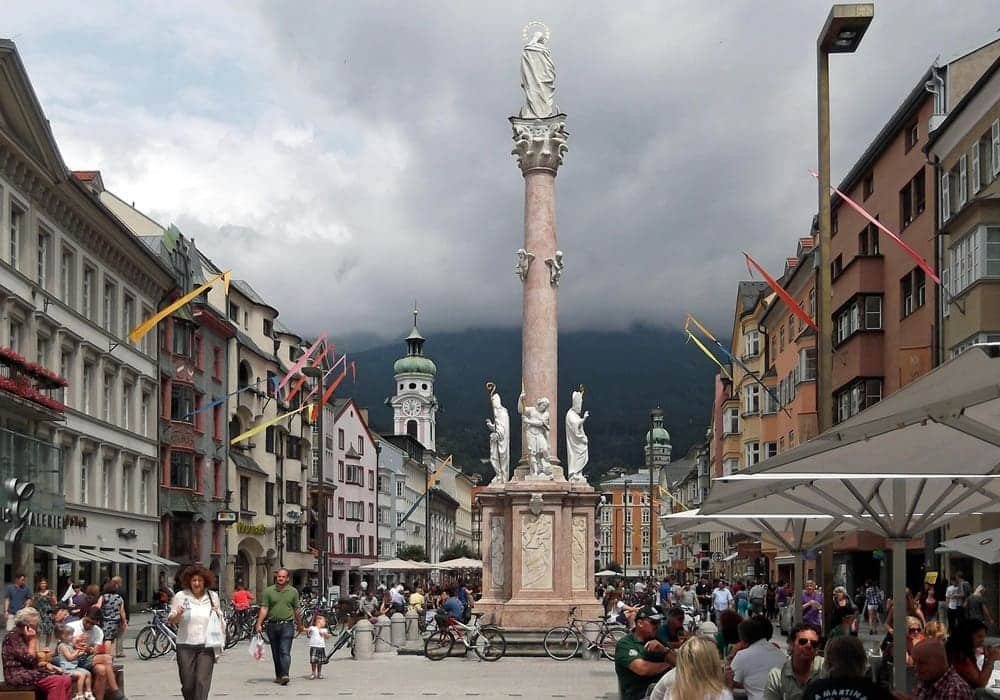
Altstadt Innsbruck is the name of the old town of Innsbruck, which is situated on the Inn River in western Austria. It is known for its well-preserved medieval layout, with narrow streets, historic buildings, and open public squares. Its location along major trade and administration routes across the Alps made the area a significant trading and administrative hub.
Key landmarks in the old town include the Golden Roof (Goldenes Dachl), the Imperial Palace (Hofburg), and the Town Tower. These structures represent different architectural styles and periods, reflecting the historical development of the city. The streets are lined with shops, cafes, and traditional buildings that continue to be used today.
Altstadt Innsbruck is an area of residence and commercial purposes. It serves as a central hub for visitors, providing access to historical sites, museums, and cultural spaces. Seasonal activities and local events are also popular in the area and form part of day-to-day life in the city.
11. Krimmler Ache Waterfall
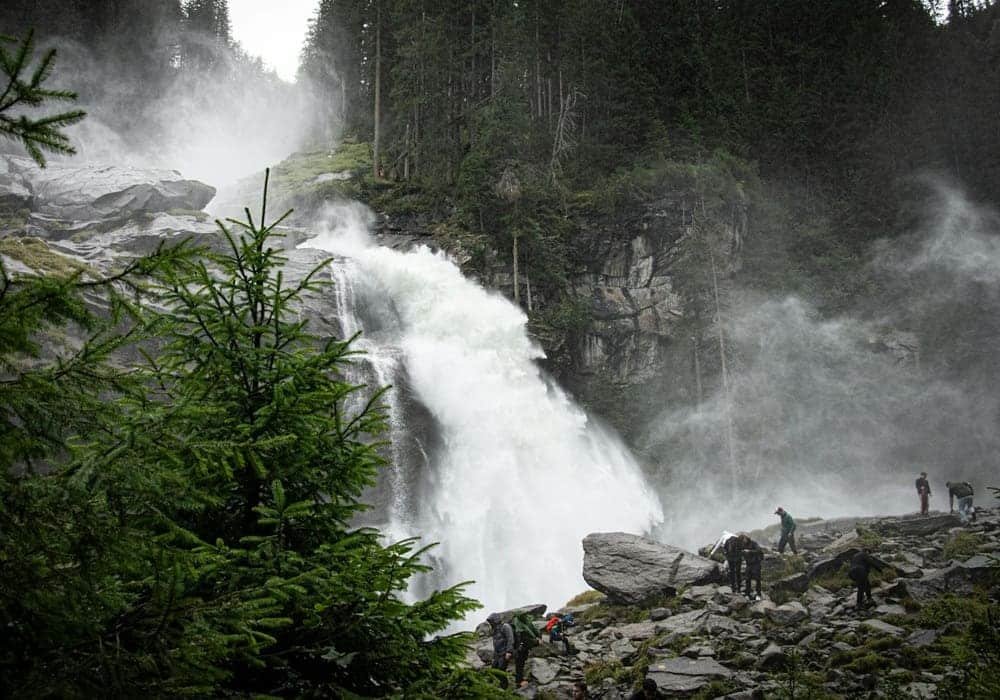
Krimmler Ache Waterfall (also referred to as Krimml Waterfalls) is a waterfall within the Hohe Tauern National Park in Salzburg, Austria. The waterfall is the largest in Austria and is approximately 381 meters in height and is comprised of three major falls. The water originates from the Krimmler Ache river, which flows from glacial regions.
Krimml Waterfalls is one of the most famous waterfalls in Austria, attracts visitors from different regions. The site also has a well-established trail network with various viewing platforms which enable visitors to view the falls at various levels. The surrounding area consists of alpine terrain, forests, and mountain landscapes, contributing to its natural setting.
The waterfall is a popular natural attraction and is accessible during the warmer months. There are walking paths, rest points, visitor services among others to assist tourism and to facilitate safe access. The site is controlled to maintain the natural environment in the area and to enable visitors to explore the site in a systematic manner.
12. Clock Tower, Graz
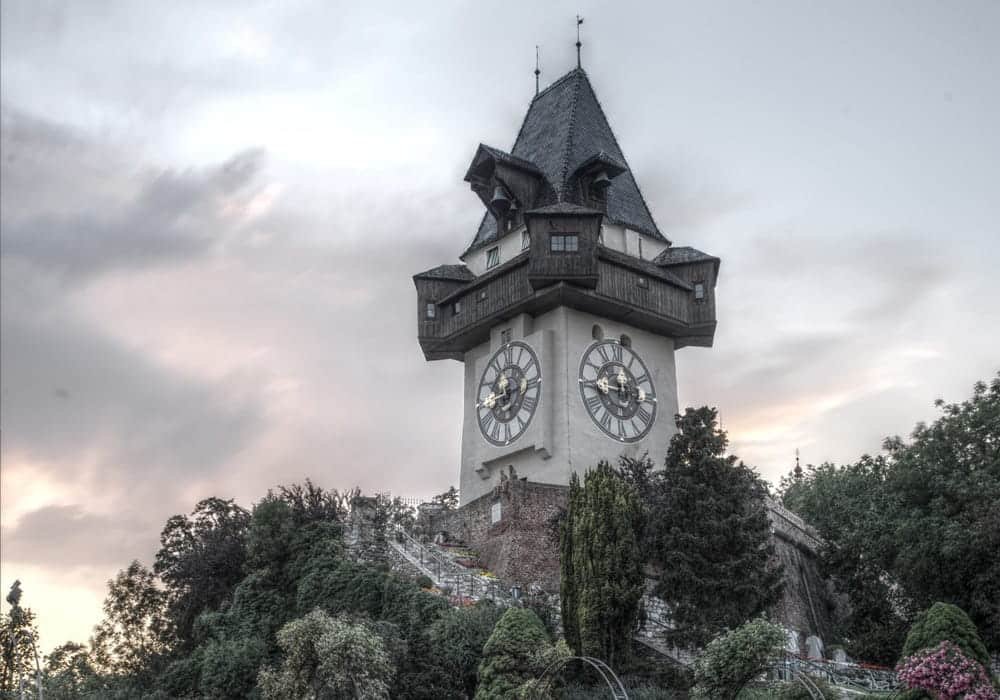
The Clock Tower, known as Uhrturm, is a major landmark in Graz, Austria. It is situated on the Schlossberg hill and overlooks the old town area. The tower dates back to medieval times, while its current clock mechanism was installed in the early 18th century. Although it is not among the most famous clock towers globally, it is an significant and well-recognized landmark in Austria.
One of its distinctive features is the large clock face, which can be seen from many parts of the city. Unlike standard clocks, the larger hand indicates hours and the smaller hand shows minutes. The building is also furnished with historic bells which were used in the past to announce events like fire or important announcements.
The Clock Tower can be reached via walking paths, stairs or funicular railway, which links the hill to the city below. It remains an important symbol of Graz and is a common viewpoint for visitors, offering clear views of the surrounding urban area and nearby landscapes.
These famous places in Austria highlight the country’s rich history and cultural heritage. From castles and palaces to natural landscapes, each destination offers something unique for visitors.