
Last Updated on 21st February 2026 by admin
The Tower of London is not just a historic monument that stands quietly beside the River Thames – it’s a place where power, fear, ambition, and mystery have lived side by side for nearly 1000 years. It might appear initially like a magnificent medieval castle, made to comfort the royalty. But look a little closer, and its walls begin to whisper stories of imprisoned queens, vanished princes, glittering treasures, loyal ravens, and secrets that cannot be fully uncovered by history.
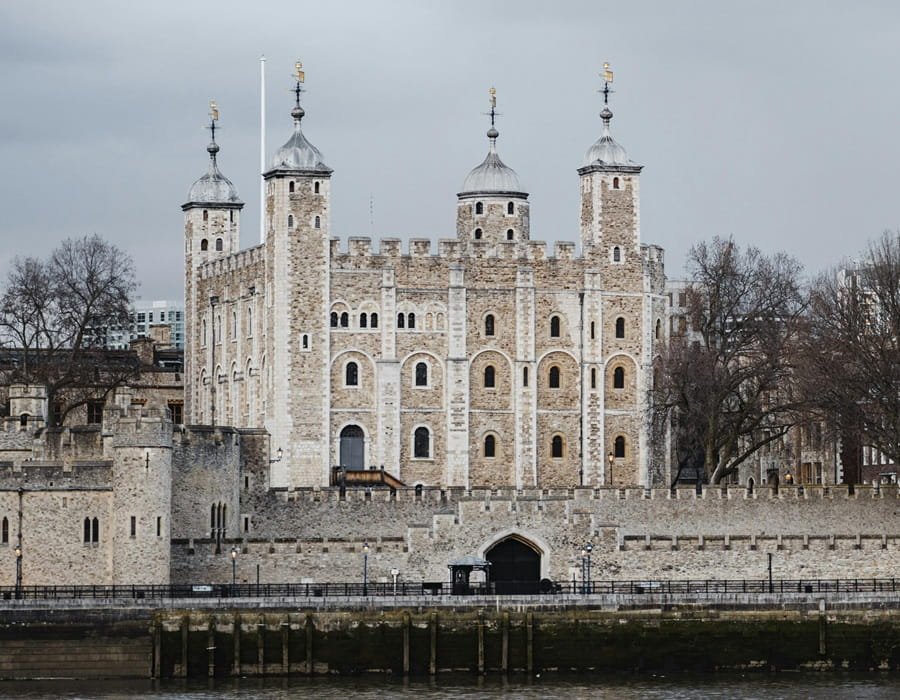
So what exactly makes this place so fascinating? Is it the Crown Jewels locked inside, the dark tales of royal betrayal, or the strange traditions that still continue today? The Tower in most aspects does not appear to be a monument, but rather a mute storyteller, one that has watched England rise, struggle, and transform.
In this article, we will explore the many layers of the Tower, from its origins as a symbol of conquest to the surprising and lesser-known details hidden within its stone walls, making it one of the most fascinating things to do in London.
About the Tower of London
The Tower of London, one of Europe’s famous castles, standing proudly for almost 1,000 years and one of the most famous landmarks in the world. But to refer to it as a tower alone is deceptive, as it is much more than that. It has served as a fortress, a royal palace, a prison, an armoury, even a zoo over the centuries, each role adding another layer to its identity.
The Tower was erected on the River Thames and it was not created to impress the visitors with the architectural grandeur, but to frighten. Imagine arriving in medieval London as a foreign visitor and seeing its massive stone walls for the first time. This was not architecture designed for beauty, but it was architecture created for authority. The structure silently communicated a message: the king is in power, the state is secured, and the rebellion will not turn out to be happy.
Gradually the Tower became more than merely a stronghold on defense. It was a platform on which royal drama occurred. Here the kings made war, the queens waited their unpredictable destinies, and the suspected traitors were allowed their last days. Millions of people come and see it today not only to look at the building itself but also to live through the living stories carved into its walls.
A Brief History of the Tower of London
The history of the Tower starts in 1066, a few years after William the Conqueror took control of England. As every new king in a new land, he could not conquer the land with a mere crown, he needed something to be seen as an expression of power. The initial building, which is currently known as the White Tower, was created as a royal house and a strong grip on authority.
This complex was enlarged by successive monarchs during the centuries. Walls, which were used as defensive, were strengthened, new towers were built, and fortification moats were added. Over time the role of the Tower started to change. By the 12th century, it was already a royal palace, but its image quickly acquired a darker shade since it began to be used as a prison.
Importantly, it was not ordinary criminals who were held here. Some of England’s most powerful figures, including Anne Boleyn and Lady Jane Grey, found themselves imprisoned within these walls. The Tower also housed the Royal Mint and safeguarded the Crown Jewels. Surprisingly, it served also as a medieval zoo where lions, monkeys, and even a polar bear could be seen.
This layered history raises an interesting question: was the Tower built to protect the kingdom, or to control it? In truth, throughout its long existence, it has done both.
Interesting Things About the Tower of London
The very first thing people tend to imagine whenever they hear the name Tower of London is a big old castle that stands quietly on the river. But the truth is far more layered. The Tower is not simply famous due to its age, but it is interesting because of the many unexpected roles it has played throughout history.
As an example, majority of castles were constructed to either provide defense or royal accommodation. However, The Tower turned into a sort of political tool. It was not only a place to guard the monarchy against external attacks but also a place where the internal threats were held back. Their lives were transformed drastically after entering its gates due to powerful nobles, rival claimants to the throne, even the members of the royal family themselves.
The Tower managed to ensure a balance between luxury and fear, which is one of its most interesting aspects. On the one hand, it was used as a royal palace where the monarchs used to spend their time in case of unrest. Alternatively, it held inmates whose destiny usually relied on the changing political fortunes. It was not rare to see someone come as an honoured guest and to walk out as a condemned traitor.
The other fact, which shocks most of the visitors, is that the Tower was once self-contained. It possessed its chapel, its living quarters, its armouries, even its workshops. It was not a building, it was almost a little city with walls. People lived, worked, prayed, and sometimes died within its walls.
And then there are the ravens. It is said that when the ravens leave the Tower, the kingdom will fall. Whether or not, the fact that these birds are still maintained today tells how tradition and symbolism are more intertwined with the identity of the Tower. It is an indication that history is not mere preservation here, but it is still performed.
All that makes the Tower more than a tourist attraction. It turns into the location where the boundary between history and legend is frequently unclear.
Amazing Facts About the Tower of London
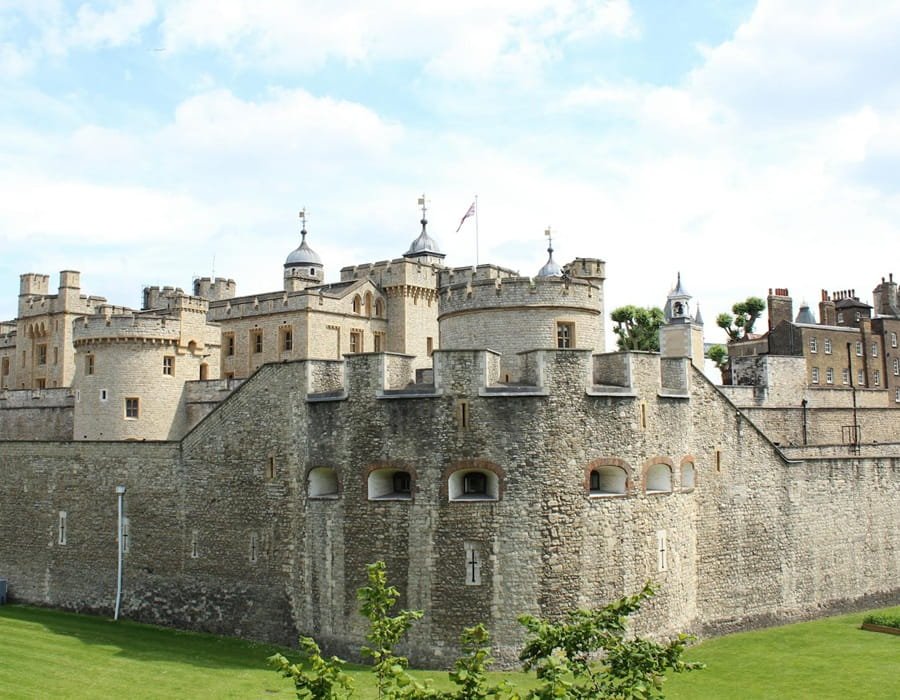
There are several unexpected facts that not everybody knows about the Tower of London. The following are some of amazing facts that make it even more fascinating:
🔒 It Was a Prison for Powerful People
- High status prisoners were found in the Tower.
- Ordinary criminals could hardly be retained here.
- Being imprisoned here often meant you were politically important
🪙 It Once Housed the Royal Mint
- Here coins of England were produced.
- The Royal Mint spent more than five centuries in the Tower.
- It had a direct influence on the economy of the country.
🦁 It Had a Medieval Zoo
- Exotic animals were held as royal gifts.
- There were lions and leopards and even an elephant.
- Was used as a royal menagerie in Europe.
🏰 It Was Built in Stages
- The Tower was not constructed all at once
- The structures were added by various kings.
- Every expansion was related to the new political requirements.
🛡️ It Was Never Successfully Captured
- Even in times of political unrest and conflicts.
- It was never stormed by any enemy.
- A witness to its strategic planning.
These facts help to realize that the Tower of London was not only a kind of fortress, but also a hub of power, economy, and royal glory.
Things Inside the Tower of London
The greatest myth about the Tower of London is that it is just an empty historic structure. The real truth is that what is inside makes the place come to life. When entering through its gates, one enters a realm full of signs of authority, survival, and heritage.
Here are some of the most important things you can find inside the Tower:
👑 Crown Jewels
- The most famous treasure inside the Tower
- Still used in royal ceremonies today
- Includes crowns, sceptres, and ceremonial swords
- Represents centuries of monarchy and authority
- A living connection between past and present
🏰 The White Tower
- The central and oldest part of the complex
- Houses royal armour and weapon displays
- Includes suits worn by monarchs like Henry VIII
- Designed not just for protection, but for prestige and dominance
⛪ Chapel of St Peter ad Vincula
- Burial site of several executed prisoners
- Includes Queen Anne Boleyn
- A quiet and reflective space
- Highlights the human cost behind royal politics
🏛️ The Medieval Palace
- Shows how royalty once lived inside the fortress
- Designed for comfort during uncertain times
- Blends luxury with security
🌿 Tower Green
- Site of private executions
- Used for high-profile prisoners
- One of the most historically emotional spots inside
🐦 The Ravens
- Still live inside the Tower today
- Cared for by the Ravenmaster
- Symbolize protection of the kingdom
- Connected to the legend that Britain will fall if they leave
Together, these elements transform the Tower of London from a static monument into a dynamic historical environment.
Crown Jewels at the Tower of London
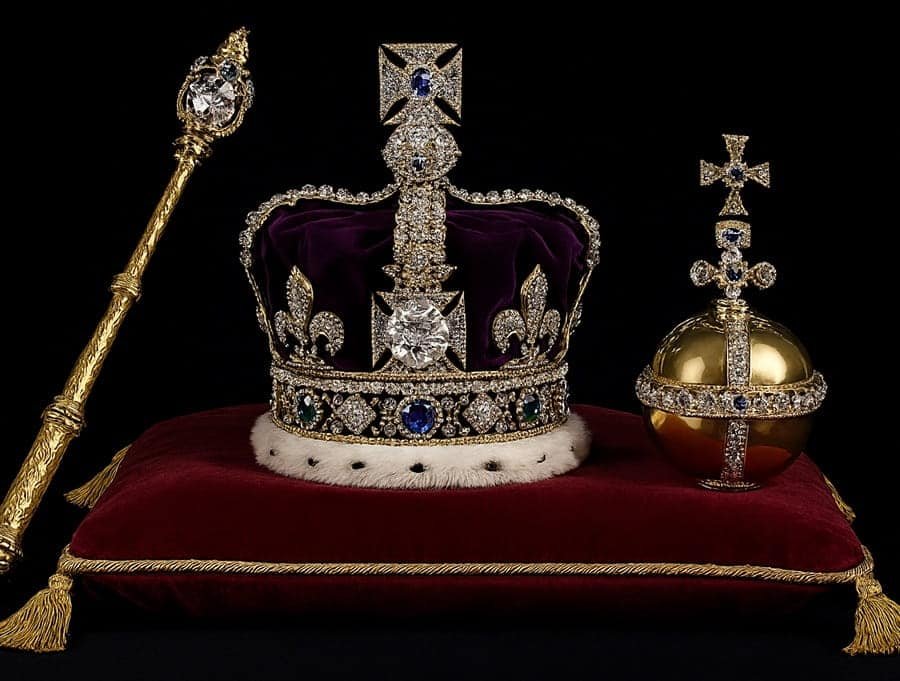
The Crown Jewels are one of the most important attractions inside the Tower of London, and rank among the most expensive things in the world. Here are the key things you should know about them:
💎 Still Used Today
- Not just historical artifacts
- Actively used in royal ceremonies
- Includes coronations and state occasions
👑 Symbol of Royal Authority
- Represents monarchy, power, and legitimacy
- Each item reflects authority and tradition
- Designed with symbolic meaning, not just decoration
🛡️ Highly Protected
- Guarded with advanced security today
- Historically protected by the Tower’s strong defenses
- One famous theft attempt by Colonel Thomas Blood failed
🔄 Recreated After Destruction
- Original medieval jewels were destroyed in the 17th century
- The current collection was recreated afterward
- Blends tradition with renewal
✨ Includes Iconic Pieces
- Crowns
- Sceptres
- Orbs
- Ceremonial swords
Together, the Crown Jewels represent a living link between Britain’s royal past and present.
Hidden Secrets and Dark Stories of the Tower of London
If the Crown Jewels represent the glory of the monarchy, the darker tales of the Tower unveil its dark side.
This fortress was not only a place of defense, this was a place of terror during centuries. Thick stone walls which had been used to keep the enemies outside had also been used to keep prisoners inside. And not just any prisoners, but the ones whose names were made history.
The disappearance of the Princes in the Tower is one of the most haunting mysteries that relate to the Tower. Eddward V and his brother Richard were two young boys who were staying here in 1483 in the middle of a political transition. They were never seen again. Their destiny is unclear even now and there is still a lot of speculation regarding what exactly went on behind those guarded walls.
The story of Anne Boleyn gives another emotional twist. She was a former Queen of England, imprisoned and executed on the grounds of the Tower. Imagine the contrast, entering the Tower for her coronation celebrations and later returning as a prisoner awaiting execution. It is a cold reality of how power might change so fast.
Then there is the cold blooded image of the Bloody Tower where the prisoners were questioned and in some instances, tortured. Torture was not widespread as most people would want to believe, but its existence still created a significant mark in the picture of the tower.
This darker past is even reflected in the architecture. Certain rooms were specifically secluded, which guaranteed silence and secrecy. The Tower was commonly used as a form of political control, a prison that no one knew about. These are not stories that are merely found in history books but hang in the air of the actual location.
Why the Tower of London is So Famous
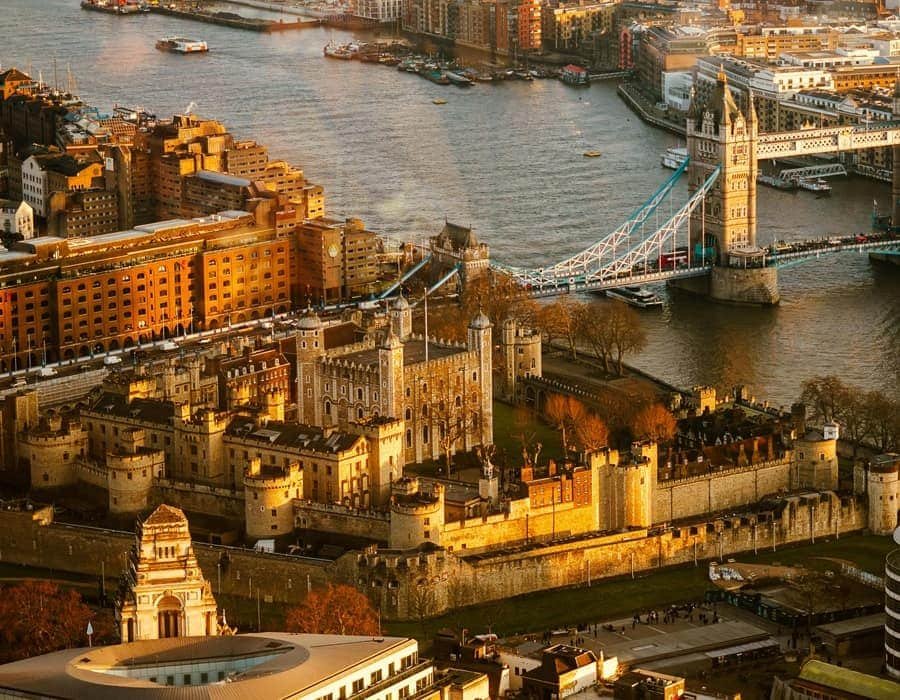
There are landmarks that are famous due to their beauty or their size, whereas the Tower of London stands out because of its story. It has been a fortress, royal residence, prison, treasury, mint, and even a zoo, over almost a thousand years, so it has become much more than just a historic building.
In contrast to monuments, which are linked to a certain moment, the Tower is a reflection of a continuing story. It has been the place of royal rituals, political intrigue and dramatic incarcerations that shaped the history of England.
It is also famous globally because of its strong preservation and strategic location along the River Thames. It is also close to the Tower Bridge, which is also one of the world’s famous bridges. Nowadays, people can actually walk through such areas that were inhabited by kings, queens and prisoners.
Most importantly, the Tower remains a living symbol. Traditions continue, ceremonies still take place, and the Crown Jewels are actively used, which connecting the past with the present.
From Royal Palace to State Prison
How the Tower of London evolved with time and its role shifted is one of the most fascinating things of the tower.
Originally built as a symbol of conquest, it soon became a royal residence during periods of unrest, offering monarchs safety within its fortified walls. Its great fortifications also made it a perfect site to detain people who were considered threats to the crown as political tensions grew.
Throughout the centuries, the Tower acquired a reputation of holding high profile inmates instead of common criminals. Some of them lived with relative comfort, whereas others were not as privileged and had to endure more circumstances based on their status and political significance.
Even when the Crown ceased to use the Tower as a royal palace, it continued to be an effective symbol of power. It has been used as a historic site today to preserve centuries of royal, political and cultural history.
The Tower of London is not only a historical site, but it is also a place of power, transformation, and survival. It has been used in numerous purposes over the centuries, shielding monarchs and even keeping prisoners in custody and securing the Crown Jewels. Its history mirrors the power and the challenges of the English history.
Even today, its traditions continue, linking medieval history with the modern world. It is probably what makes the Tower so attractive, though, not simply a tourist attraction, but a kind of place where you can reflect on the numerous lives and choices that have changed history in its walls.