Last Updated on 26th November 2025 by admin
Bali is one of the most beautiful Islands of Indonesia, often referred to as the “Island of the Gods.” It is a splendid destination that attracts visitors with its stunning landscapes, vibrant culture, and spiritual significance. With so many beautiful places to see and visit while spending time on this island paradise, the beautiful Gates of Heaven, part of Pura Lempuyang Temple, is an iconic attraction.
Pura Lempuyang Temple is one of the oldest and most sacred buildings on the island that has its history that dates back centuries. The Balinese architecture is ancient with its carvings and elaborate stone gates reflecting the rich cultural heritage of the island. This article explores the magical beauty, the deep spirituality, and the charisma of the Gates of Heaven & Pura Lempuyang Temple of Bali where the heaven and earth meet.
Pura Lempuyang Temple
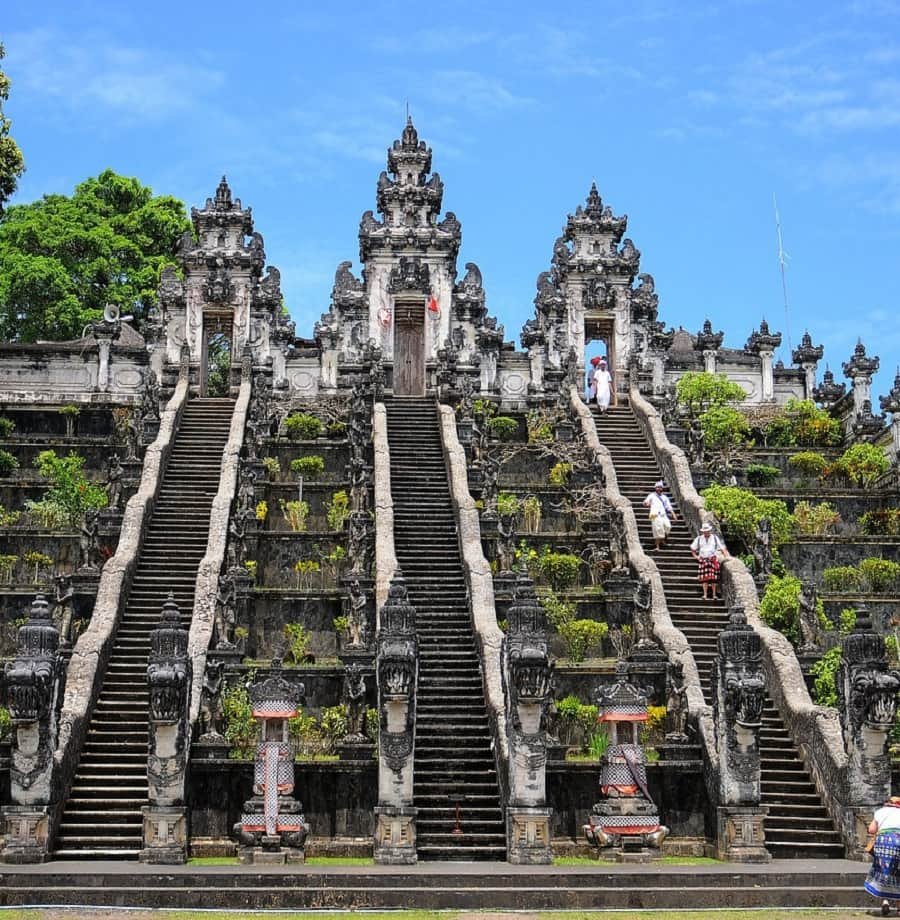
Pura Lempuyang Temple is one of Bali’s oldest and most sacred temples, also known as “Pura Lempuyang Luhur”. The exact history of Pura Lempuyang Temple is difficult to verify because it is over 1000 years old. However, according to Balinese tradition, the temple was established by Rsi Markandeya, a prominent Hindu sage, who contributed to the widespread of Hinduism throughout the Island of Bali.
Pura Lempuyang Temple is a major and very sacred Hindu temple complex that is situated at the slopes of Mount Lempuyang on East Bali, Indonesia. It is situated in a position that gives a panorama of the surrounding landscapes dominated by the lofty Mount Agung in the background.
The temple’s name, “Pura Lempuyang Luhur,” translates to “The Highest Temple of Lempuyang,” signifying its esteemed status in Balinese Hinduism. This temple is the most ancient and sacred temple of the beautiful island of Bali and assumed much cultural and spiritual significance to the Balinese people.
Key features and aspects of Pura Lempuyang Temple include:
- Scenic Location: The temple complex is located in beautiful landscape place with lush greenery around the complex. It is also characterized by its very beautiful sceneries of Mount Agung the highest and holiest volcano in Bali which is usually surrounded by the iconic split gate in the temple.
- Split Gate: The split gate is one of the most recognizable ones of Pura Lempuyang, referred to as “Candi Bentar” in Balinese. The gate is a two symmetrical stone structure carved in detail, and the visitors usually take pictures with Mount Agung in the center of the gates.
- Sacred Stairs: The entire Lempuyang temple complex has more than 1,700 steps, although you do NOT need to climb all of them to reach the popular gate (where tourists take photos). Climbing all 1,700 steps will take you to the highest temple, Pura Lempuyang Luhur, but the picture-taking location is located at the lower complex (Pura Penataran Agung Lempuyang).
- Temple Complex: There are seven temples in total along the Lempuyang mountain trail. The main temple is Pura Lempuyang Luhur, which is at the topmost point and is the most important of all the temples.
- Religious Significance: The temple complex is devoted to Ida Sang Hyang Widhi Wasa in the form as Icwara, the guardian of the east. It is a place of pilgrimage for local people to receive blessings and spiritual purification.
- Rituals and Festivals: Pura Lempuyang Temple is an establishment where a number of Hindu rituals and ceremonies are performed. Ceremonies include regular offerings, full moon rituals, and the temple odalan (anniversary), which occurs every 6 months according to the Balinese calendar. Balinese people throughout the island gather at this temple to honor significant Hindu festivals.
When visiting, one should respect the sacredness of Pura Lempuyang Temple and respect the rules or guidelines that the temple officials or the local guides have to offer.
Gates of Heaven
The “Gates of Heaven” in Bali are usually in reference to the iconic split gate (Candi Bentar) at the entrance of Pura Lempuyang Temple ( Pura Lempuyang Luhur), as mentioned in the above response. In many photographs, this gate is fully encircled by Mount Agung which is just right in the background and it has become a very spectacular and aesthetically pleasing sight.
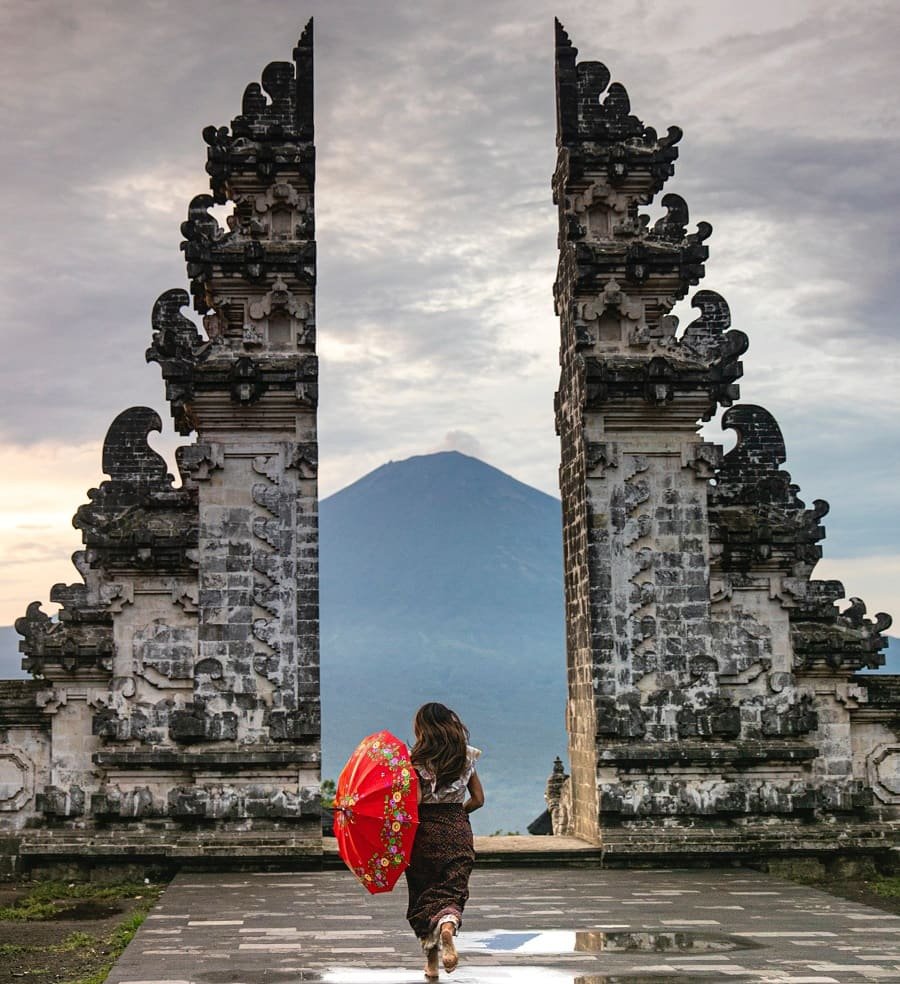
Tourists visiting Pura Lempuyang Temple usually queue to take photographs in front of this gate that looks like it leads to a heavenly scene. The popular “mirror reflection” seen online is created using a piece of glass placed under the camera, not by real water.
It’s important to note that the “Gates of Heaven” is not a separate destination or attraction in Bali but rather a popular photo spot within the Pura Lempuyang Temple complex. To visit this iconic site, travelers should make their way to Pura Lempuyang in East Bali and climb the stairs to the temple complex where the gate is located. As with any visit to a Balinese temple, it’s essential to be respectful, adhere to the dress code, and follow any guidelines provided by the temple staff or local guides.
To visit this iconic site, tourists would have to pay a visit to Pura Lempuyang in East Bali and then go up and up the stairs to the complex of the temple where the gate can be found. Just like any trip to a Balinese temple, you have to be respectful, dress appropriately and follow any instructions given by the temple staffs or the local guides.
Surrounding Area Around Pura Lempuyang Temple
The surrounding district of Pura Lempuyang Temple on slopes of Mount Lempuyang in East Bali is marked with its green natural beauty, dramatic landscapes, and various attractions worth visiting. The following are some of the distinguishing features of the area:
- Mount Lempuyang: The temple is located on the side of the mountain Lempuyang which is a dormant volcano. The mountain itself is a major natural feature in the region and gives visitors a chance to hike and trek in those people who are interested in adventure.
- Rice Terraces: Terraces Rice terraces are also found in the area, especially around Karangasem and Abang. These terraces are not simply beautiful to observe but they are also part of Bali agricultural heritage.
- Tirta Gangga Water Palace: The Tirta Gangga Water Palace is a beautifully landscaped royal water garden with ponds, fountains, gardens, and koi-filled pools just nearby. It is a well-liked place to have a rest and walk around.
- Ujung Water Palace: The Ujung Water Palace is another water palace located close to the city. It is characterized by great architecture and a picturesque pond that is encircled with a web of pedestrian paths and beautiful bridges.
- Taman Ujung Sukasada: The historical park is a splendid place to view the hills and the shore sceneries around. It is an ideal location to take a relaxed stroll and have a look around the well tended gardens.
- Local Villages: Villages nearby provide an access to the traditional Balinese life. You can meet welcoming people, visit old fashioned houses and watch the rich culture of the island.
- Craft Markets: You will also find local craft markets along the way to the temple and also in the villages close to the temple where you can buy traditional Balinese arts, crafts and souvenirs.
- Local Restaurants: Taste Balinese food in the local warungs (small restaurants) around the area. You will be able to taste such traditional dishes as nasi goreng (fried rice) and mie goreng (fried noodles).
The nearby Pura Lempuyang Temple is a serene and beautiful place to get away in the busy tourist spots in Bali. You can enjoy and experience a lot in terms of culture, nature, and photography in this beautiful part of the region.
The Spiritual Significance
Pura Lempuyang Temple holds great spiritual significance for the Balinese people. It is considered one of the nine directional temples that keep the evil spirits off the island and preserve the cosmic balance. It is believed that the mountain Lempuyang slopes on which the temple is situated increase the temple spiritual power and consequently makes it an essential point of contact between the earthly and divine worlds.
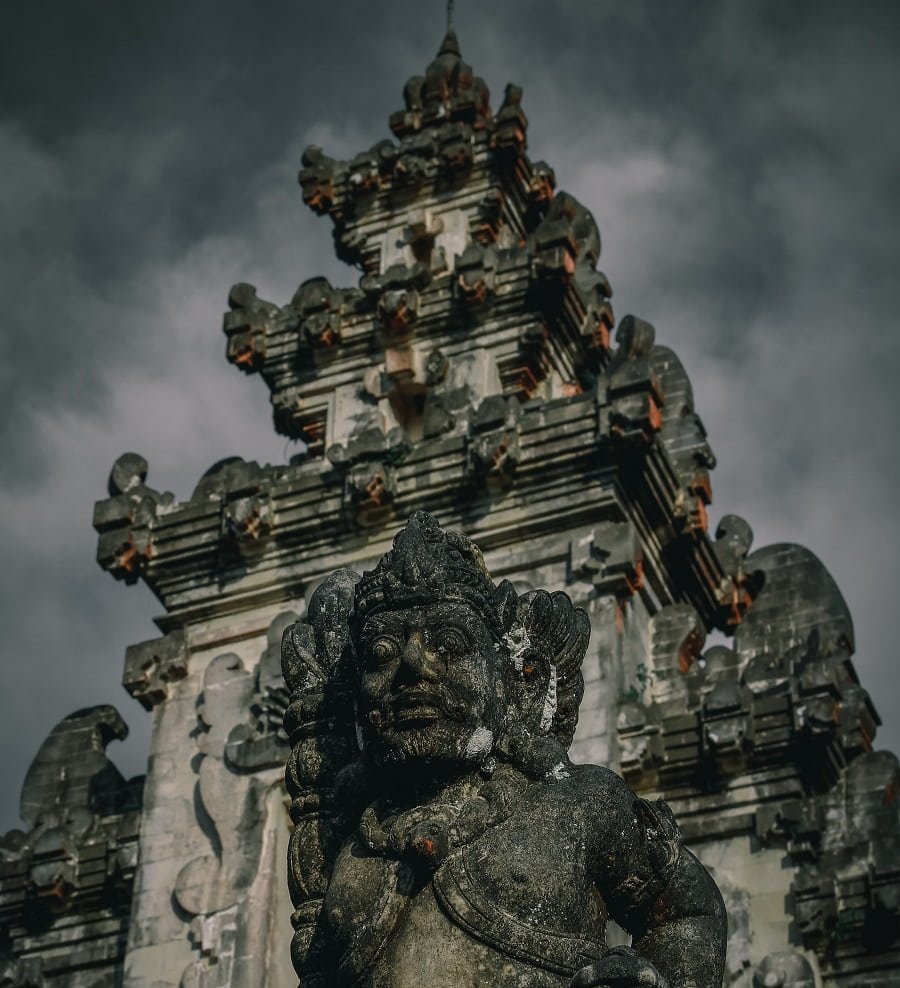
The Balinese Hindu community members believe that Pura Lempuyang is the source of divine blessings and purification. All kinds of pilgrims and devotees flock to the temple to get a blessing, to observe some sacred rites, and to have the advice of the gods. The priests of the temple (Pemangku) are very significant in ensuring that the spiritual customs are maintained and they assist in the religious rituals that are performed at Pura Lempuyang.
Best Time to Visit Pura Lempuyang Temple
The best time to visit Pura Lempuyang Temple in Bali, Indonesia, would greatly be based on your preferences and the type of experience you want. The following are some of the things to be considered on various times of the day and year:
- Early Morning (Highly Recommended): One of the most recommended times to visit Pura Lempuyang Temple is in the early morning when there are no crowds and the day is not hot. This is especially magical when it reaches the sunrise, you will have an opportunity to observe the beautiful scenes and make beautiful pictures of the “Gates of Heaven” with the gentle morning light.
- Weekdays: If possible, visit on weekdays rather than during a weekend or during the high seasons. Weekdays are not so crowded, and it is a more peaceful and religious place to stay.
- Dry Season (May – September): There are two main seasons in Bali: dry season (May to September) and wet one (October to April). Temple is usually most favorable in the dry season since it has a more predictable weather and there is less chance of heavy rain and subsequent muddy stairs and slippery surfaces in the temple.
- Avoid Major Hindu Festivals: During major Hindu festivals, which include Galungan and Nyepi, pura Lempuyang Temple may be very crowded. Although they might be an interesting cultural experience, but not be the best times for a peaceful visit.
- Be Mindful of Local Holidays: Be aware of the local Balinese holiday calendar, as the temple may be busy during the local public holidays when the locals are not at work.
- Midweek Morning in the Dry Season: When it comes to combining the smaller crowds, favorable weather, and excellent lighting to capture a photo, one would consider visiting Pura Lempuyang Temple during a midweek morning, during the dry season.
- Check Sunrise and Sunset Times: Should you wish to take the “Gates of Heaven” with the rising or setting sun, then make sure you check the local sunrise and sunset times and visit when they are as close to them as possible.
Also, keep in mind that Pura Lempuyang Temple is a worshiping and reverent site to the Balinese folks and hence it is necessary to have respect at all times. Wear simple attire, obey rules and regulations of the temple and remain respectful and silent and reflective when in the temple grounds.
Capturing the Beauty
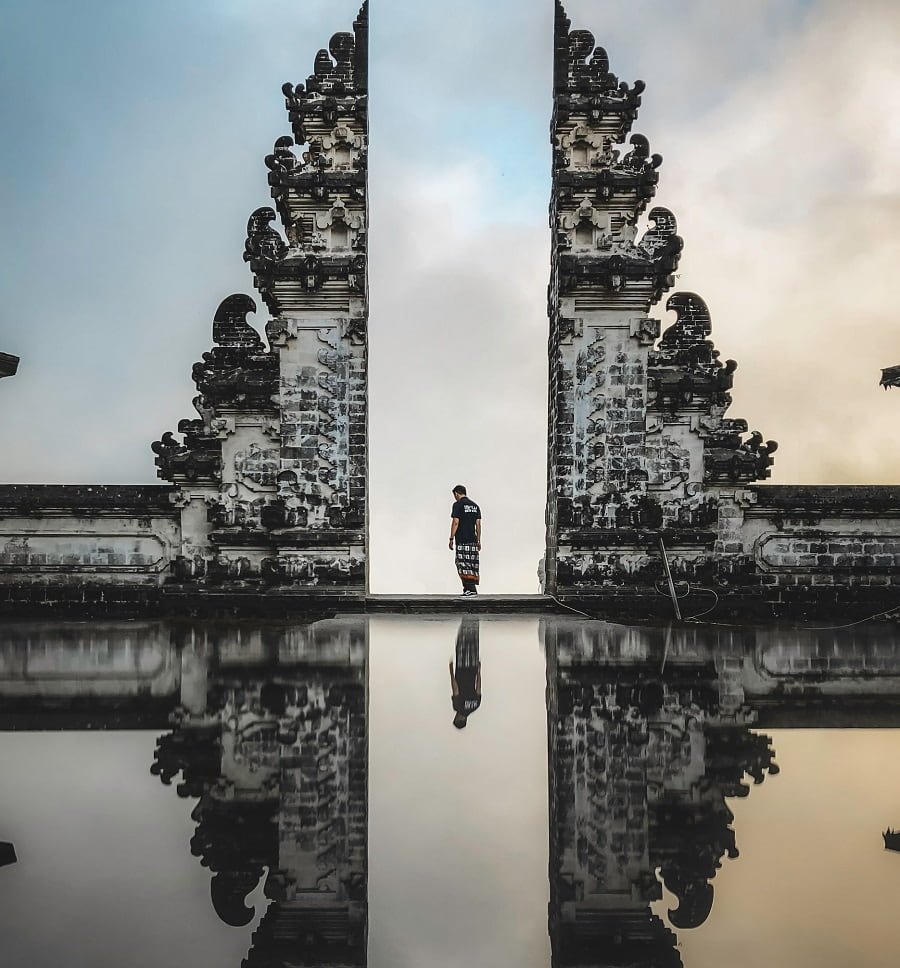
The Gates of Heaven is not only of spiritual importance; they have turned into a tourist destination, attracting people worldwide. This place attracts photographers and travelers alike, who come there to capture the ethereal beauty to share it with the world.
However, with the growing popularity and the numbers of visitors, there is a need to preserve the sacredness of the location. Visitors are also advised to take photographs mindfully and reverently when taking photographs. Balinese natives like to see tourists show respect to their culture and spirituality.
Important Information Before Visit at Lempuyang Temple
There are a number of factors that one should consider before making a visit to Lempuyang Temple (Pura Lempuyang Luhur) in Bali, Indonesia. The temple is a holy place of worship of the Balinese Hindus and is also a tourist attraction site. To have a dignified and unforgettable visit.
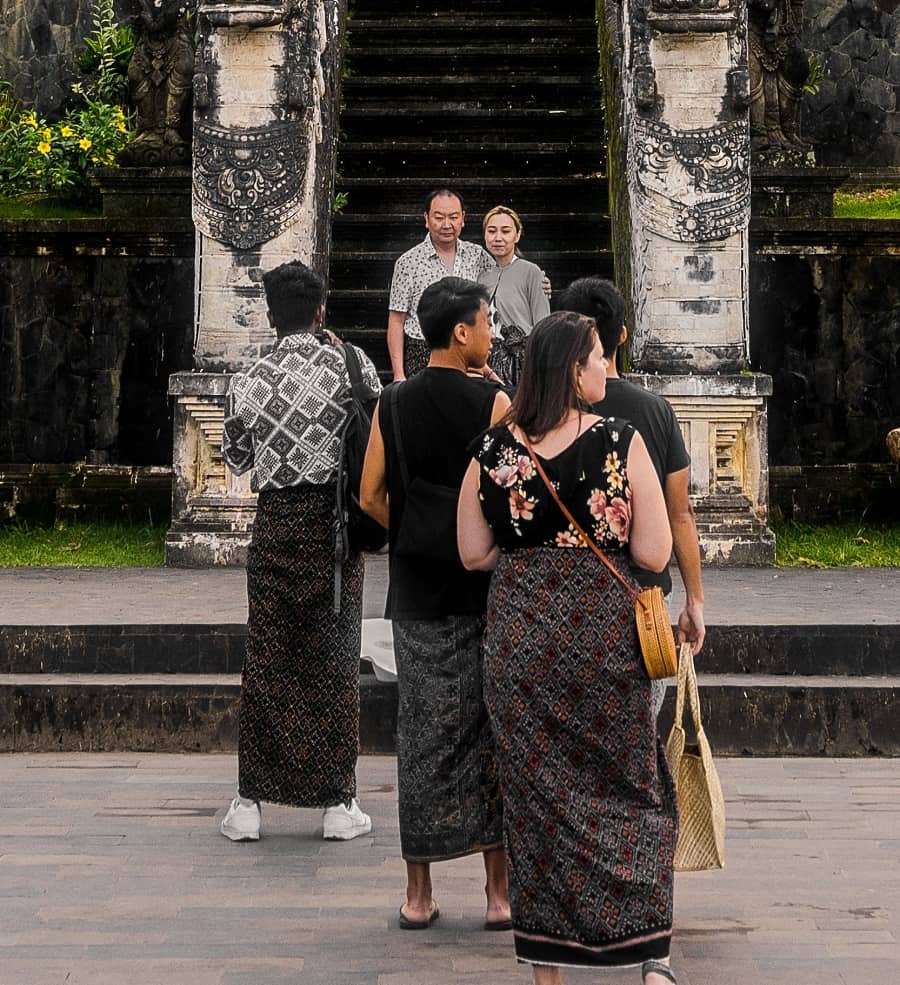
Indeed, the following are those extra details that were added to the list of important information about Lempuyang Temple:
- Dress Code: Before entering the temple, the visitor must cover himself or herself with sarong, both men and women. You have to dress up decently.
- Respectful Behavior: There should be no open affection like kissing in the temple premises. It’s important to maintain a respectful attitude.
- Menstruation: Menstruating women should not be allowed to enter the temple premises, but it might prove difficult to impose this rule strictly.
- Yoga Poses: It is advisable that yoga poses, or any other physical activity, should not be done in the temple premises because it will interfere with the sacred environment.
- Food and drinks: Coffee, tea, and snacks can be bought by outside vendors outside the complex of temples. It is better to carry some water and snacks in case you intend to go up the stairs.
- No Drones: Travel drones are forbidden on religious temples and Pura Lempuyang is not an exception. One should not violate this rule and the privacy of worshipers.
How to Reach Pura Lempuyang Temple?
Pura Lempuyang Temple is in East Bali, Indonesia. These are the broad directions to reach Pura Lempuyang in the main tourist destinations of Bali e.g. Ubud, Kuta, or Denpasar:
- Start Your Journey: Your journey will start with going to the eastern part of Bali. A private driver, a taxi, or rented scooter/motorbike can be used. Remember the temple is very far, and it will take time to get there, depending on where you’re starting from.
- Navigation: A GPS navigation application or map is a tool that will guide you to get to Pura Lempuyang. The temple is a popular tourist attraction, however, the East Bali roads are rather narrow and winding, so it is better to have directions.
- Parking: At Pura Lempuyang, you will usually find a parking space to leave your cars. Ready to pay a minimal parking charge.
- Entrance Fees and Dress Code: Pay any entrance fees, and make sure you’re dressed appropriately for temple visits. If needed, you can rent a sarong and sash at the entrance.
- Climb the Stairs: This will help you get to the main temple and the famous “Gates of Heaven” as you will come to find yourself on a 1,700-step long staircase. You may take your time and see the beautiful landscapes on the way.
- Settle on a Transportation Option:
Private Driver: It is a better and comfortable way to hire a private driver. This you can organize with your hotel or with a local tour operator. The driver will be aware of the direction and have great knowledge regarding the locality.
Taxi: You may also use a taxi in your place of origin but remember that you have to negotiate on the fare with the driver before you begin your travel. Make sure that the taxi meter is functioning.
Scooter/Motorbike: In case you are used to riding on a scooter or a motorbike and you already have the required license, you may rent one and go to the temple. All you need to know is that it might be a long ride and some Bali roads might be tricky hence you should only use this means in case you are an expert rider.
Please note that road conditions, traffic, and travel times can vary, so it’s advisable to start early in the day to avoid crowds and to make the most of your visit to Pura Lempuyang Temple.
The Gates of Heaven Bali, or Pura Lempuyang Temple, is a testament to Bali’s profound spirituality and rich cultural heritage. With its awe-inspiring architecture, stunning landscapes, and spiritual significance, the temple leaves an indelible mark on all who visit. Whether seeking spiritual enlightenment or simply exploring Bali’s beauty, Pura Lempuyang Temple offers an experience that transcends the ordinary and connects with the divine.
The Pura Lempuyang Temple, is the place of great spirituality and rich cultural inheritance of Bali. The temple is truly something that cannot be forgotten by those who visit because of its awe inspiring architecture, beautiful landscapes and spiritual relevance.
Whether it is spiritual enlightenment or just a sightseeing of beautiful Bali, Pura Lempuyang Temple is expected to be an experience of the extraordinary and the accessibility to the divine. The Pura Lempuyang can be seen as the reminder of the holiness of life, nature beauty, and the eternal soul of Bali cultural heritage.