
Last Updated on 7th June 2026 by admin
Have you ever held something in your hand and wondered about its story? Maybe it’s an old family photograph or a coin from the last century. It feels ancient. But compared to the true history of our planet, a hundred years is just a blink of an eye. Over that massive stretch of time, continents have shifted, oceans have risen, and countless civilizations have risen and fallen into dust. Most of history is lost to time.
However, a few incredible pieces of the past managed to survive. Even more amazing? You don’t need a time machine to experience them. From a leather shoe that is older than the Egyptian pyramids to a sparkling piece of stardust that existed before our own sun was born, these relics are still around today.
If you love history, mystery, and mind-blowing facts, you are in the right place. Let’s take a journey through time and look at 10 of the absolute oldest things on Earth that you can physically still see or visit right now.
🏛️ Man-Made Structures & Artifacts
1. The Oldest Stone Temple: Göbekli Tepe
- Age: ~11,000 to 12,000 years old
- Location: Şanlıurfa, Turkey
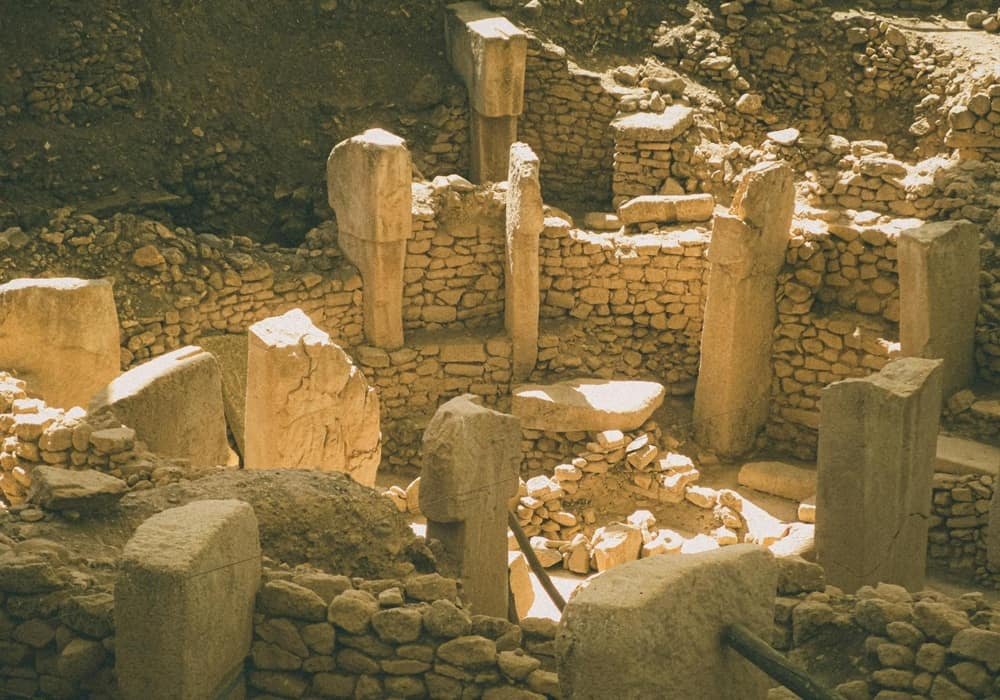
Located in southeastern Turkey, Göbekli Tepe is the oldest known monumental religious site built by humans. Archaeologists date the site to around 9500 BCE, meaning it was constructed roughly 12,000 years ago. It predates Stonehenge by over 6,000 years. You can visit the massive carved stone pillars today.
Long before many of the famous landmarks in the world were built, Göbekli Tepe was already standing as a gathering place for early communities. This predates the invention of agriculture, pottery, and the wheel, meaning it was built by hunter-gatherer societies before they settled into permanent farming villages.
The site consists of massive, T-shaped limestone pillars arranged in large circles. Many of these pillars weigh up to 20 tons and feature detailed carvings of wild animals like foxes, scorpions, and vultures. Because there are no signs of domestic life, such as hearths or trash pits, experts believe it served strictly as a regional meeting point for spiritual rituals.
Göbekli Tepe is more than twice as old as the Great Pyramid of Giza, completely changing our understanding of how early human civilizations organized themselves. Travelers to Şanlıurfa can explore the archaeological site and observe ongoing research work.
2. The Oldest Written Records: The Uruk Clay Tablets
- Age: ~5,300 years old (c. 3300 BCE)
- Location: Pergamon Museum, Berlin, Germany (with fragments in the Iraq Museum, Baghdad)
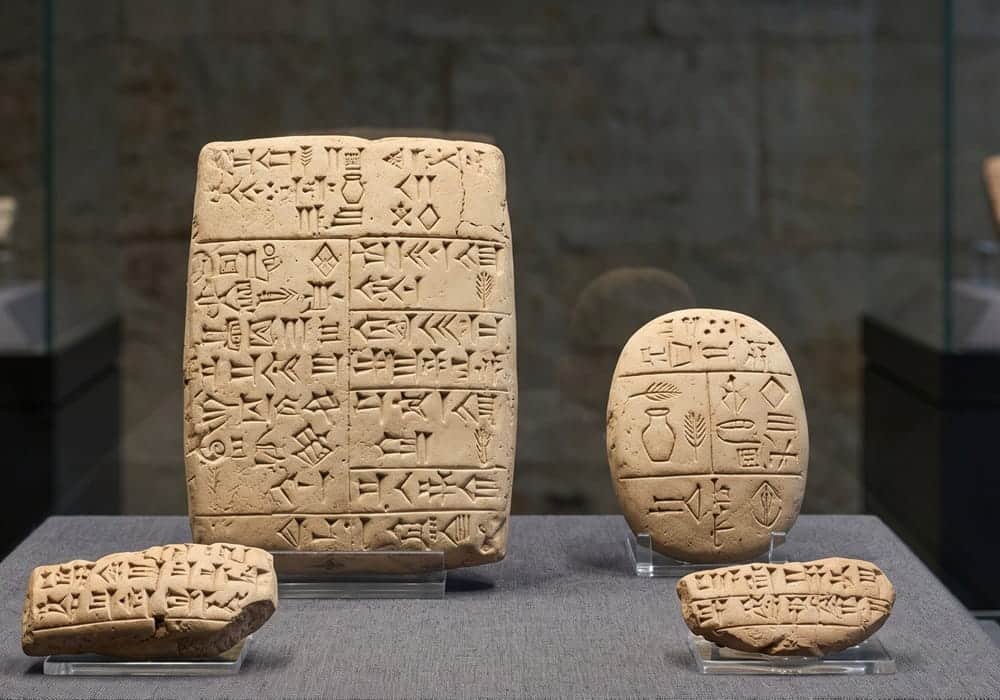
Long before humans wrote down grand poetry, philosophical ideas, or holy texts, they used writing for something far more practical: basic business accounting. Discovered in the ancient ruins of Uruk (modern-day Warka in Iraq), these small, sun-baked clay tablets represent the very birth of writing on our planet, known as proto-cuneiform.
Instead of using an alphabet, early scribes used a sharp reed stylus to press pictographs—simple drawings representing objects and numbers—into wet clay. What do the world’s oldest texts actually say? They aren’t stories of heroic kings or divine gods; they are receipts, inventories, and ledgers tracking distributions of grain, lists of livestock, and even regular rations of beer given to temple workers.
These tablets completely transformed human society. For the first time in history, humans did not have to rely on memory alone to run a city, manage trade networks, or govern large populations.
The dry desert climate of Iraq preserved these clay tablets for more than 5,000 years. Today, they remain among the oldest surviving written records and are displayed in major museums around the world.
3. The Oldest Leather Shoe: The Areni-1 Shoe
- Age: ~5,500 years old
- Location: History Museum of Armenia, Yerevan
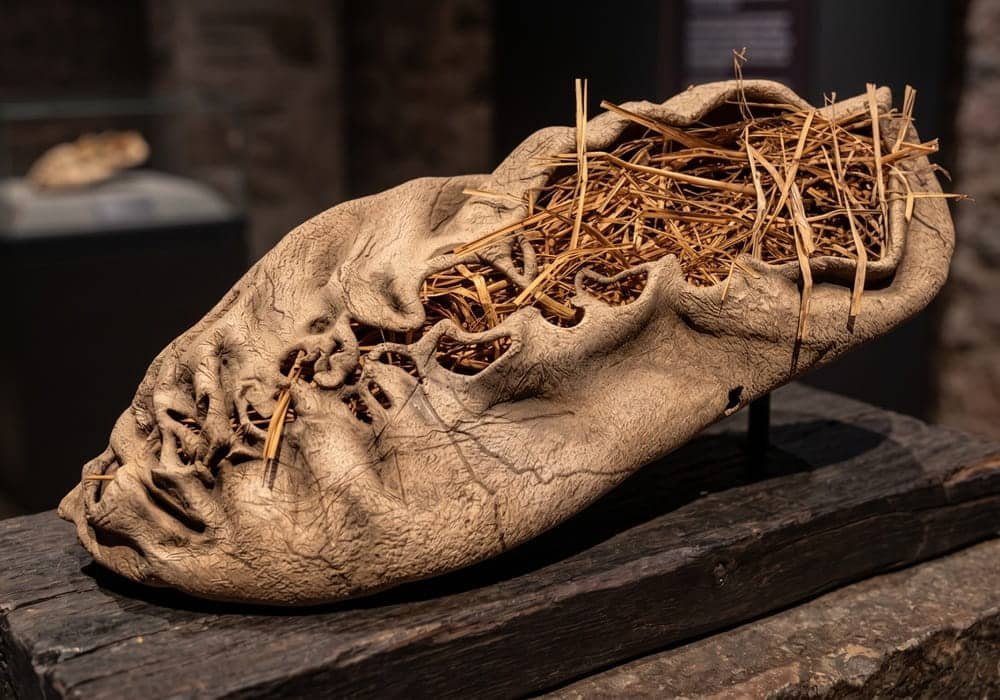
In 2008, researchers working in a cave in Armenia found a single leather shoe buried under a layer of old sheep dung. Tests showed the shoe is about 5,500 years old, dating back to 3500 BCE. That makes it older than the stone circles at Stonehenge and the Egyptian pyramids.
The shoe is made from a single piece of cowhide leather and was cut to fit a right foot, roughly matching a modern women’s size 7. It even still has its leather laces pulled through the holes.
The dry, cool conditions inside the cave, combined with the thick layer of animal waste, sealed out air and moisture, keeping the leather from rotting away over thousands of years.
The shoe was found stuffed tight with dried grass. Scientists still debate whether the grass was meant to keep the wearer’s feet warm or just to help the shoe hold its shape while stored. You can view this ancient piece of clothing in person at the History Museum of Armenia, located in the capital city of Yerevan.
4. The Oldest Bottle of Wine: The Speyer Wine Bottle
- Age: ~1,650 years old (325 CE)
- Location: Pfalz Historical Museum, Speyer, Germany
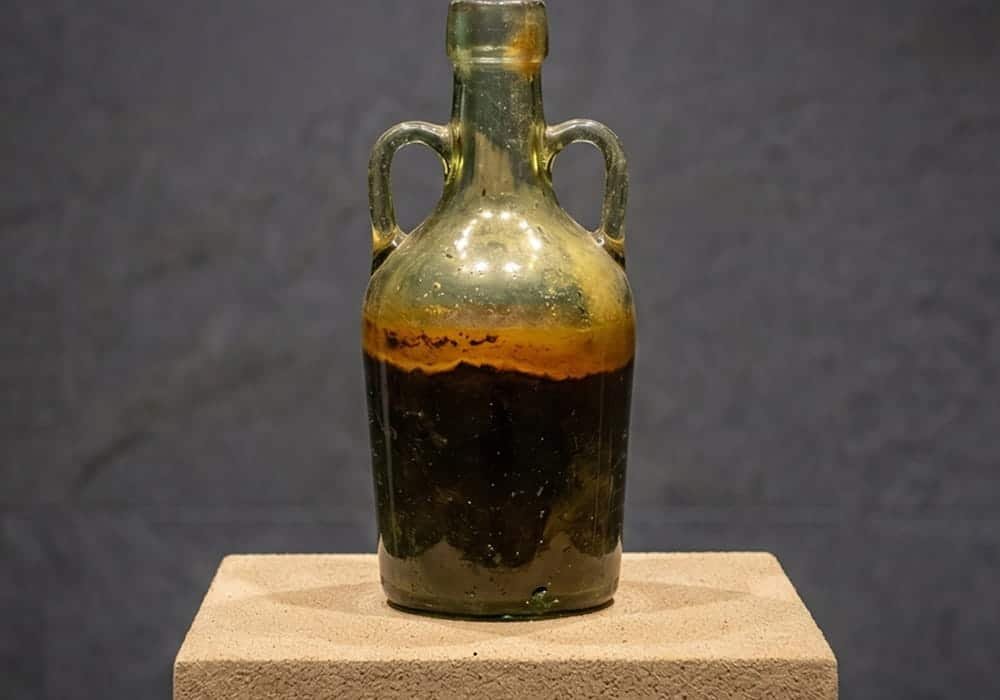
In 1867, workers digging up a Roman tomb near Speyer, Germany, broke into a grave containing two stone coffins. Inside one of them was a yellowish-green glass bottle filled with liquid. It dates back to around 325 CE, making it the oldest known bottle of wine that has never been opened.
The wine managed to stay liquid for over sixteen centuries because of how the Romans sealed it. Instead of a standard cork, which would have rotted away to nothing, they used a thick plug of wax. They also poured a heavy layer of olive oil inside the bottle. The oil floated to the top, creating a solid barrier that blocked out the air and stopped the wine from drying up.
Though it is technically still wine, the alcohol content has completely evaporated over time. The liquid now looks like a thick, muddy mixture, and museum curators refuse to open it because no one knows how the ancient fluid will react to modern oxygen.
If you travel to Germany, you can see this ancient bottle on display at the Historical Museum of the Pfalz in Speyer.
🌳 Nature & Living Organisms
5. The Oldest Non-Clonal Tree: Methuselah (Bristlecone Pine)
- Age: ~4,850+ years old
- Location: Inyo National Forest, California, USA
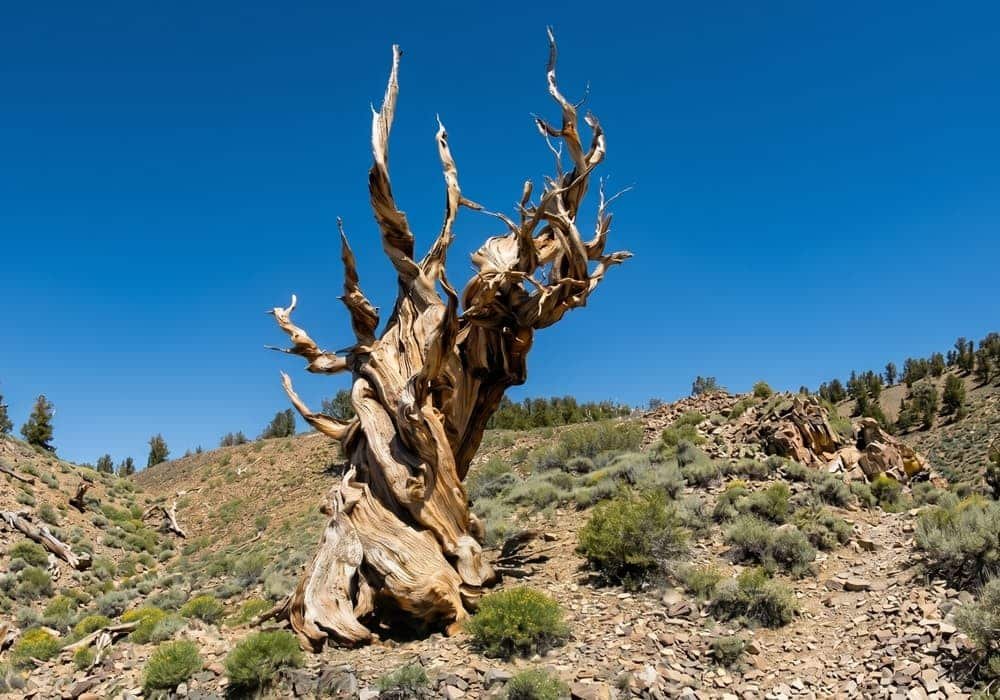
High up in the White Mountains of eastern California, a twisted Great Basin bristlecone pine has been growing since the time of the ancient Egyptians. Known as Methuselah, this tree is roughly 4,850 years old. It was already a seedling when construction began on the Great Pyramid of Giza.
The tree looks more like a weathered sculpture than a typical pine. It grows in harsh, dry soil with freezing winds, which actually helps it survive. The wood is so dense and full of resin that pests and rot cannot easily penetrate it. It grows incredibly slowly, sometimes adding just a fraction of an inch of trunk thickness each century.
To protect Methuselah from souvenir hunters and vandals, the United States Forest Service keeps its exact location a strict secret. However, you can still hike the public trail through the ancient grove in Inyo National Forest to see these twisted trees up close.
Methuselah held the absolute record for the oldest tree until 2012, when researchers in the same mountain range found another bristlecone pine estimated to be over 5,000 years old.
6. The Oldest Clonal Tree Colony: Old Tjikko
- Age: ~9,550 years old
- Location: Fulufjället National Park, Sweden
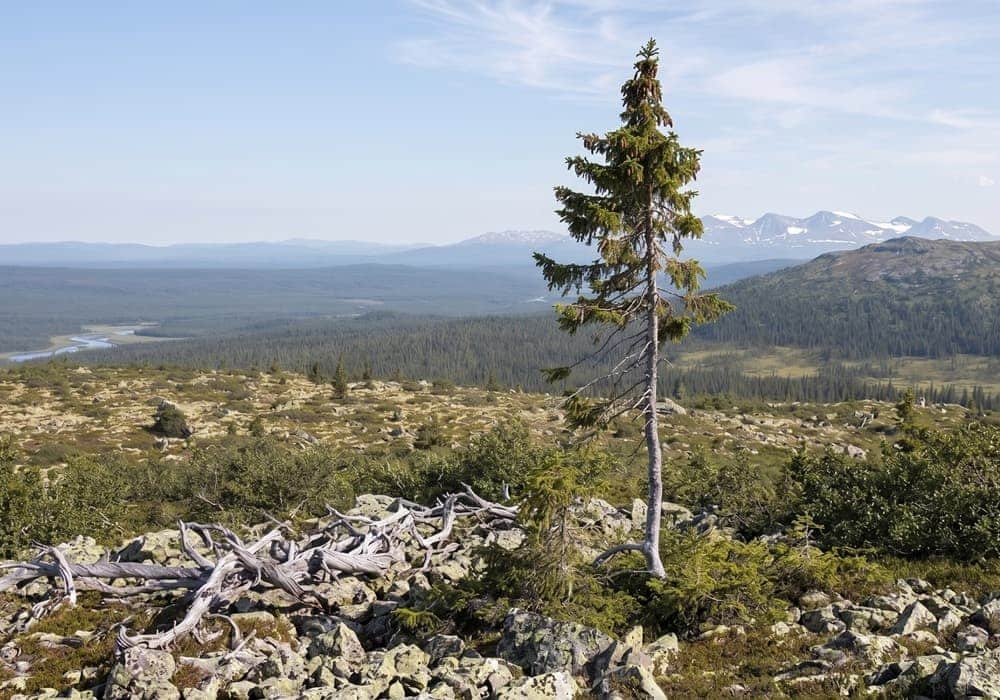
On a lonely, wind-swept mountain in Fulufjället National Park, Sweden, sits a Norway spruce known as Old Tjikko. At first glance, it looks like a regular, skinny tree that might only be a couple of centuries old. But looks are deceiving. While the trunk above ground is young, the root system underneath has been alive for roughly 9,550 years.
This is what scientists call a “clonal tree.” In harsh climates, when the main trunk dies from freezing weather or fire, the root system simply sprouts a brand-new, identical trunk to replace it. This process has repeated over and over since the end of the last Ice Age.
The geologist who discovered it in 2004 named the tree after his late dog, Tjikko. If you hike out to see it today, you will find a modest, weathered tree surrounded by a small wooden fence to keep visitors from stepping on its ancient roots.
For thousands of years, Old Tjikko didn’t even look like a tree. It grew as a stunted, low-to-the-ground shrub because the climate was too cold for a proper trunk to form. It only grew into a tall tree shape during the warmer weather of the last century.
7. The Oldest Living Organism: Posidonia Oceanica (Sea Grass Meadow)
- Age: ~100,000 years old
- Location: Ibiza / Formentera, Mediterranean Sea
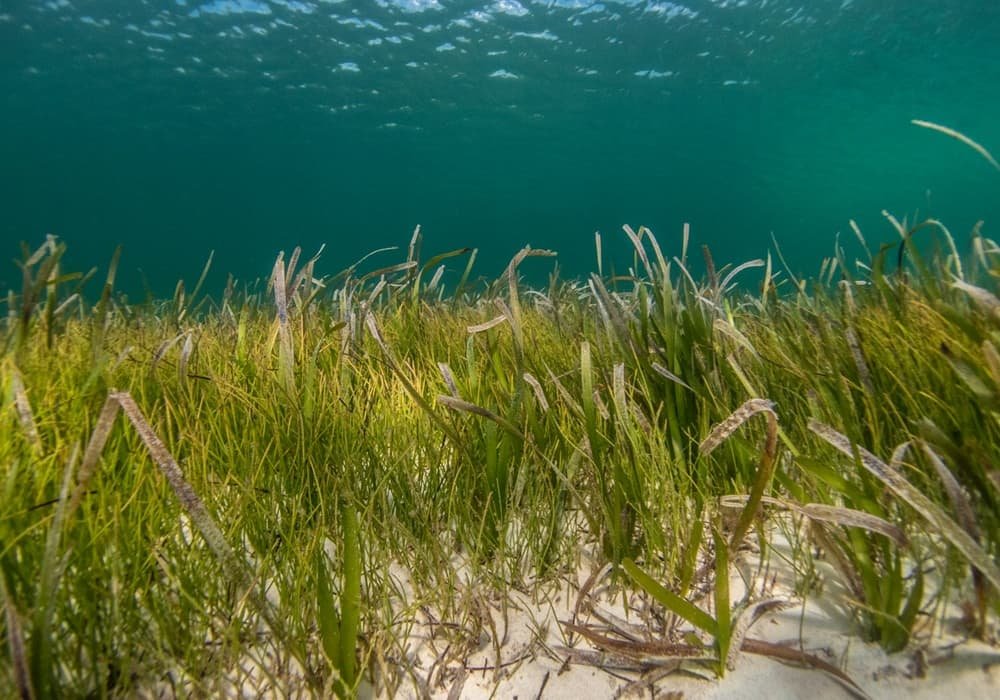
In the clear, shallow waters of the Mediterranean Sea, between the islands of Ibiza and Formentera, lies a massive underwater meadow made of a seagrass called Posidonia Oceanica. While it looks like a collection of individual plants, a large patch of this meadow is actually a single, connected clone that has been growing and replicating itself for roughly 100,000 years.
This single organism stretches for nearly 10 miles. It started growing around the time our early human ancestors were first migrating out of Africa. The seagrass creates massive underwater networks that provide a vital ecosystem for marine life, protects the coastlines from erosion, and helps keep the water incredibly clean.
These underwater ecosystems help protect biodiversity, much like some of the world’s most beautiful islands. Because it is located in a popular tourist area, the local government has put strict rules in place to stop boats from dropping anchors onto the meadow, which can easily tear the ancient grass apart. Snorkelers and divers regularly explore the waters above this ancient meadow.
This ancient meadow is facing a modern threat. It grows incredibly slowly only about a few inches per year, meaning any damage caused by boat anchors or rising sea temperatures could take centuries to repair.
🗺️ Geology & Space (The Absolute Oldest)
8. The Oldest Living Fossils: Stromatolites
- Age: ~3.5 billion years old (Fossil age), but the colonies are still alive today
- Location: Shark Bay, Western Australia
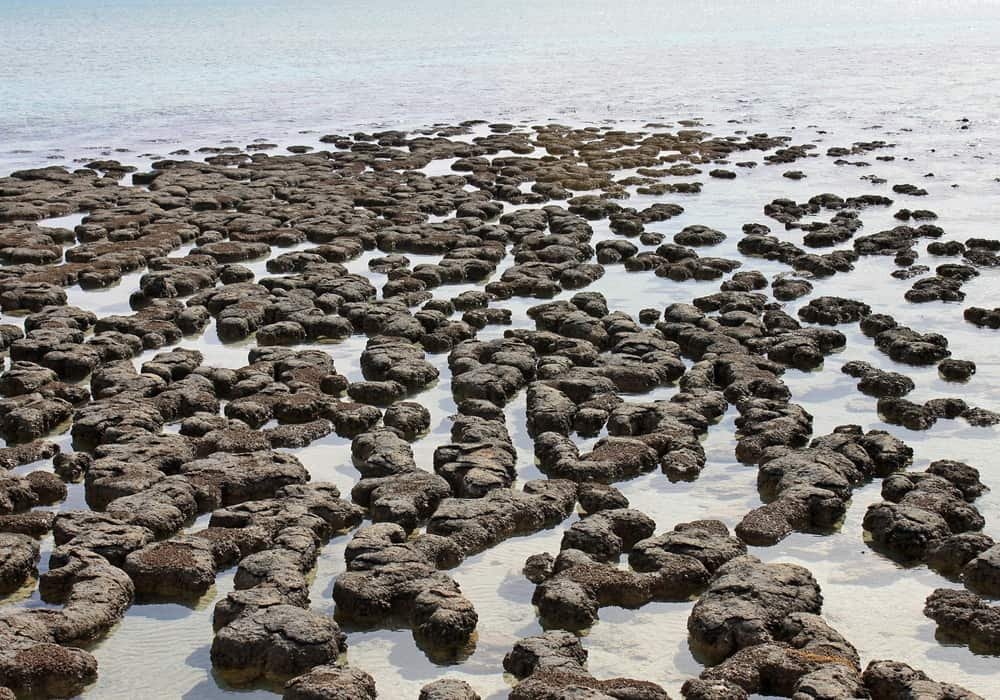
At Shark Bay in Western Australia, you can stand on a wooden boardwalk and look down at what look like ordinary, bumpy grey rocks sitting in the shallow, salty water. These are stromatolites. They aren’t actually rocks, but rather structures formed by billions of microscopic microbes called cyanobacteria.
While individual colonies grow over time, stromatolites as a life form have existed on Earth for roughly 3.5 billion years. These tiny organisms are responsible for life as we know it. Billions of years ago, before there was plants or trees, these bacteria filled Earth’s atmosphere with oxygen through photosynthesis, paving the way for all future animal life to evolve.
Because the water in Shark Bay is twice as salty as the normal ocean, predators like snails cannot survive there. This allows these slow-growing structures to thrive without being eaten. Hamelin Pool provides one of the best opportunities to observe stromatolites in their natural environment.
Stromatolites grow incredibly slowly, averaging less than half a millimeter per year. A structure that stands just knee-high can easily be hundreds of years old.
9. The Oldest Matter on Earth: The Murchison Meteorite
- Age: ~5 to 7 billion years old (Older than our Sun and Earth!)
- Location: On display in various museums (e.g., The Field Museum in Chicago, USA)
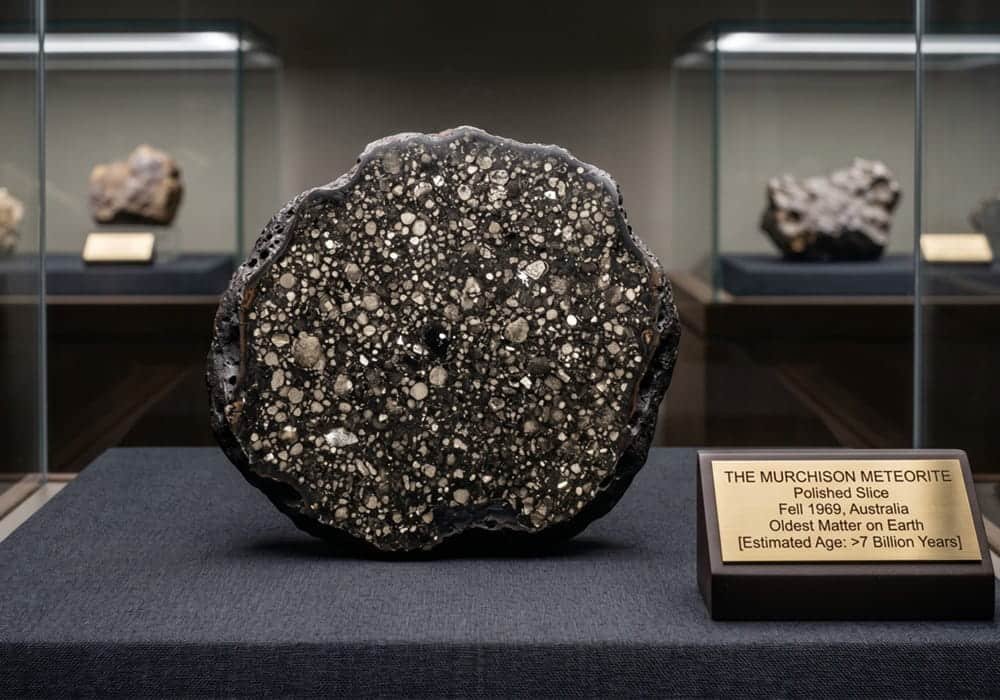
In September 1969, a bright fireball streaked across the sky over Victoria, Australia, exploding into pieces that scattered around the small village of Murchison. Locals collected over 200 pounds of the dark grey rock. When scientists analyzed the debris, they discovered that it contained tiny grains of silicon carbide that are estimated to be roughly 5 to 7 billion years old.
This makes the meteorite fragments the oldest known solid matter on our planet. For comparison, our own sun formed about 4.6 billion years ago, and Earth followed shortly after. The tiny grains inside this rock are literally prehistoric stardust, formed by dying stars long before our solar system even existed.
Because many pieces were recovered, fragments of the Murchison meteorite were shared with institutions globally. You can see pieces of this cosmic rock on display in major public collections, such as the Field Museum of Natural History in Chicago or the Smithsonian National Museum of Natural History in Washington, D.C.
Beyond its extreme age, the meteorite is famous because it contains amino acids, the fundamental chemical building blocks of life. Discovering these inside a space rock suggests that the ingredients needed to spark life might be common throughout the universe.
10. The Oldest Landscape: The Makhonjwa Mountains (Barberton Greenstone Belt)
- Age: ~3.2 to 3.6 billion years old
- Location: Mpumalanga, South Africa
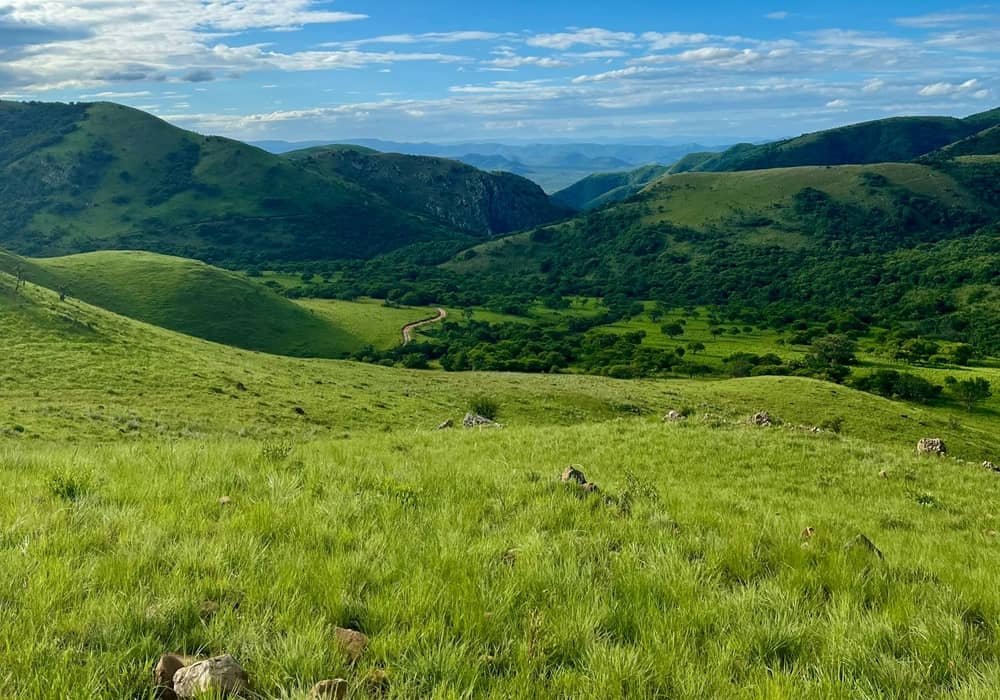
Spanning the border between South Africa and Eswatini, the Makhonjwa Mountains also called the Barberton Greenstone Belt are recognized as the oldest surviving mountain range on our planet. The rocks here date back between 3.2 and 3.6 billion years, a time when Earth was still a hostile place covered mostly by oceans and a primitive atmosphere.
Unlike most ancient rocks that have been crushed, melted, or pushed deep underground by shifting tectonic plates over time, these mountains remained remarkably intact. Because of this preservation, scientists have used the area to study the early days of our planet. The rock layers contain clear evidence of ancient meteor impacts, early volcanic activity, and even chemical traces left behind by the very first microscopic life forms on Earth.
Now recognized as a UNESCO World Heritage Site, the region attracts visitors from around the world. Rather than a closed-off research zone, it features a paved public road with informational pull-offs, allowing regular travelers to drive directly through the ancient landscape.
The mountains contain unique rock formations called “komatiites.” These are types of volcanic rock that could only form under extreme temperatures far hotter than any lava found on Earth today, offering a direct look into the planet’s fiery infancy.
Wrapping Up
Earth holds onto its secrets in amazing ways. These 10 oldest things on earth prove that history isn’t just something left behind in dusty library books—it is something you can still look at and touch today.
Think about it. A simple leather shoe outlasted massive empires just by sitting in a quiet cave. A heavy piece of space rock traveled through freezing darkness, carrying stardust that is literally older than our own sun. These things completely change how we think about time. They show us just how short our modern human era really is compared to the planet’s massive, multi-billion-year story.
If you ever get the chance to travel and stand in front of these ancient trees, rocks, or structures, you are looking directly at the ultimate witnesses of our world.