
Last Updated on 12th April 2026 by admin
Deserts are not as they appear to most people. Well, that’s what makes them so cool. They are not just endless sand dunes stretching forever. Some are wild, others are unreal, and some of them look like they are on a different planet.
And that’s the thing, the deserts are not just “empty places.” They are vibrant, full of stories, and small surprises you can hardly imagine. From freezing cold deserts to burning hot ones, each has its own personality. In this list, we are diving into the most famous deserts in the world – the kind that make you stop and think, how is this even real?
1. Sahara Desert
Location: Morocco, Algeria, Egypt, Libya, and Sudan
Size: 9.2 million km² (3.6 million sq mi)
Climate: Hot and Dry
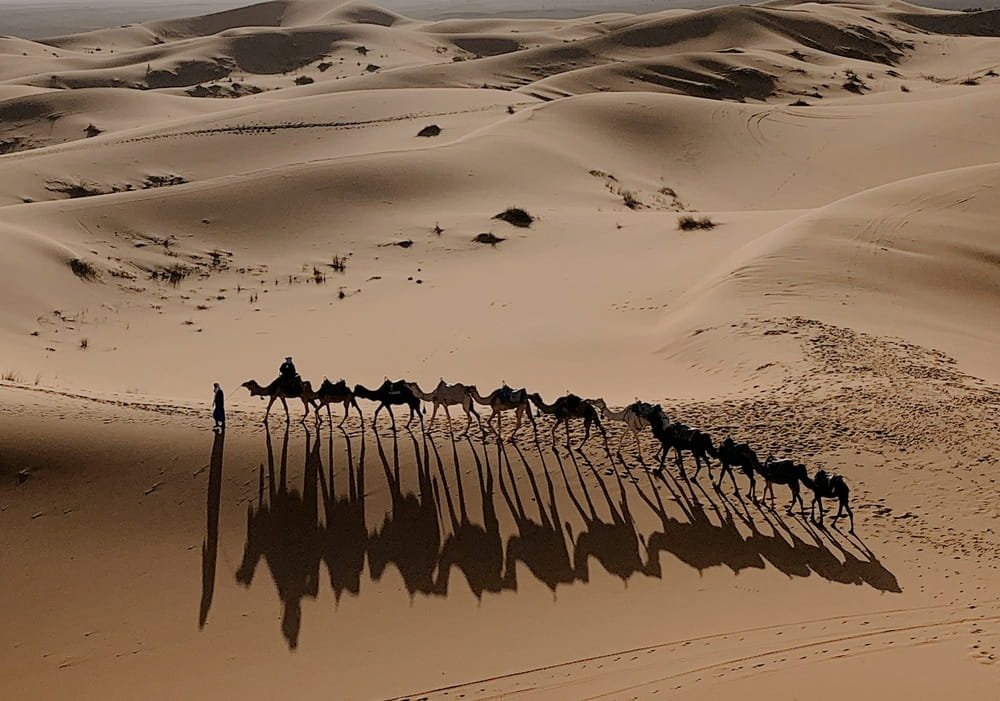
When people search for the most famous deserts in the world, the Sahara Desert almost always comes first, and honestly, it deserves that spot. It is the largest hot desert in the world and after visiting it you will know why it is so iconic. Endless golden dunes, extreme weather and scenery that looks like a movie.
The Sahara is a vast land across North Africa that includes nations such as Morocco, Algeria, and Egypt. It is huge and it is even difficult to visualize until you are there. At night, the temperature drops so fast you actually feel the cold settling into the sand, it’s not something you expect after such a hot day.
However, here is a fact that most people do not realize about the Sahara, the Sahara is not just plain sand. You will discover some oases that are hidden, camel trains slowly walking over dunes, and even animals that have adapted to live here. And the night sky? Absolutely unreal. With almost no light pollution, it becomes one of the best places for stargazing.
The craziest part? It was not so dry all the time. Thousands of years ago, the Sahara was a green paradise with lakes and rivers. There are even rock carvings of people swimming in the areas where all there is now is sand.
2. Antarctic Desert
Location: Antarctica
Size: 14 million km² (5.4 million sq mi)
Climate: Extremely Cold and Dry
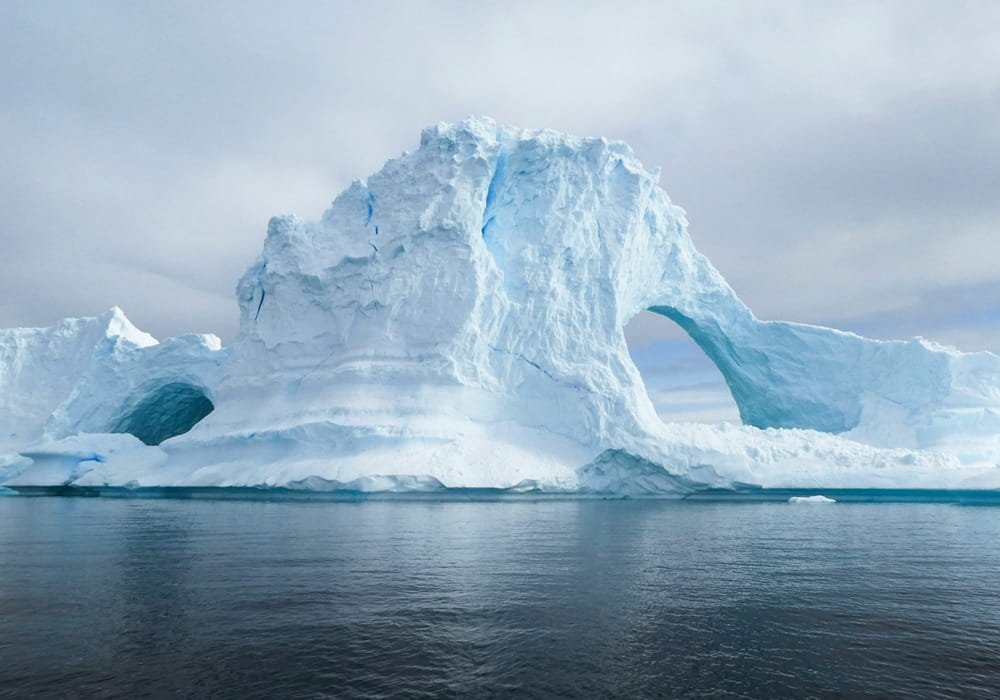
This is what most people do not expect, the largest desert in the world is not sand covered. It’s completely frozen. The Antarctic Desert changes the entire concept of what a desert actually is, and, yes, it seems a little unrealistic when you first realize it.
This massive desert covers the entire continent of Antarctica and is classified as a desert because it receives extremely low precipitation. In fact, some areas get almost no snowfall at all. It might look frozen and permanent, but even Antarctica is changing. Some natural wonders are slowly disappearing as the ice begins to melt.
However, life is present even here in this cold and dry place. You will see penguins and seals, and other wildlife surviving along the edges, adapting in ways that seem almost impossible. Next, there are the well-known Dry Valleys, which is among the driest regions on the planet and can be frequently compared to Mars due to the life-less and rocky landscape.
The size and silence of the Antarctic Desert is another feature that makes it unique. Cities do not exist, no crowds, only endless white landscapes, which extend in all directions. It is not like a location that you can simply visit but it is one of the most extreme deserts in the entire world. If you are thinking about famous deserts in the world, this one proves that deserts are not always hot and sandy.
3. Arctic Desert
Location: Canada, Greenland, and Russia
Size: ~13.9 million km² (5.4 million sq mi)
Climate: Cold and Dry
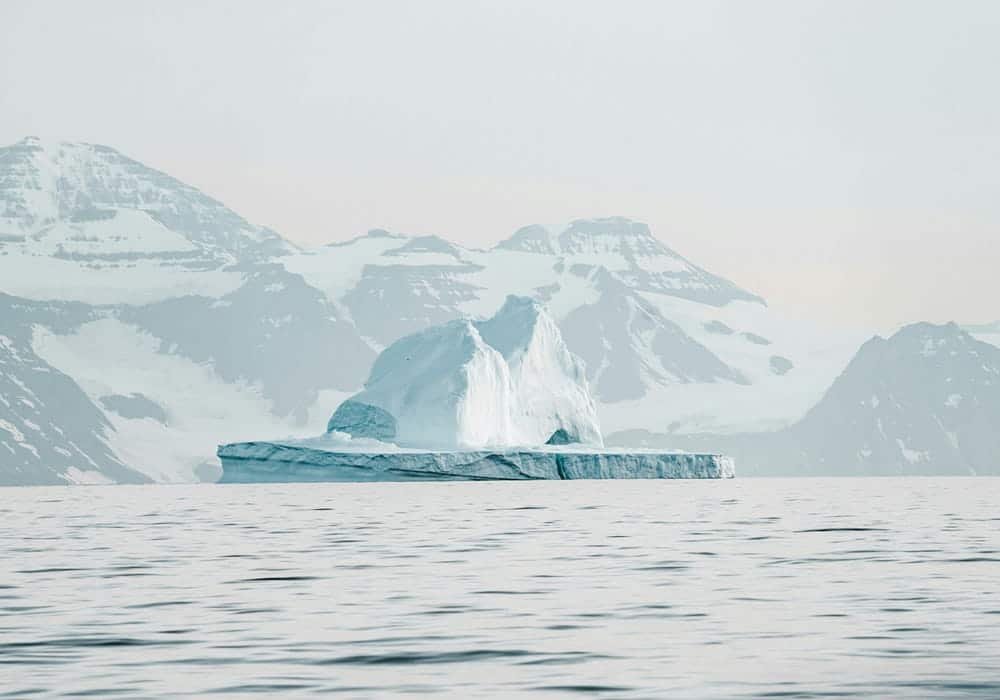
Cold deserts don’t just exist in one place, there is another one up north, and it’s just as wild. The Arctic Desert is not as popular as the others but when you explore it, it is truly interesting in its own silent manner. The Desert Expanded in Canada, Greenland, and Russia.
This region qualifies as a desert because it gets very little precipitation. The Arctic Desert climate is harsh and dry, with long freezing winters. During summer the sun does not set at all, so time becomes somewhat weird, as though the day will never come to an end. Most of the year temperatures remain low and the winds are very strong and make it feel colder than what it actually is.
The only thing that really strikes is how life survives here. You will see polar bears crossing sea ice, Arctic foxes standing out so clearly in the snow and even little plants growing in the short summer months. It is not overflowing with life, but everything that does survive here is incredibly well adapted.
What’s wild is that the ground here is ‘permanently’ frozen. Here and there, you spot woolly mammoth bones and old plants poking from melting ice, , as though they were frozen only last night. It’s all about ice, snow, and frozen ground stretching endlessly to the horizon. It feels more like another world than a typical desert.
4. Arabian Desert
Location: Saudi Arabia, UAE, Oman, and Yemen
Size: 2.3 million km² (890,000 sq mi)
Climate: Hot and Dry
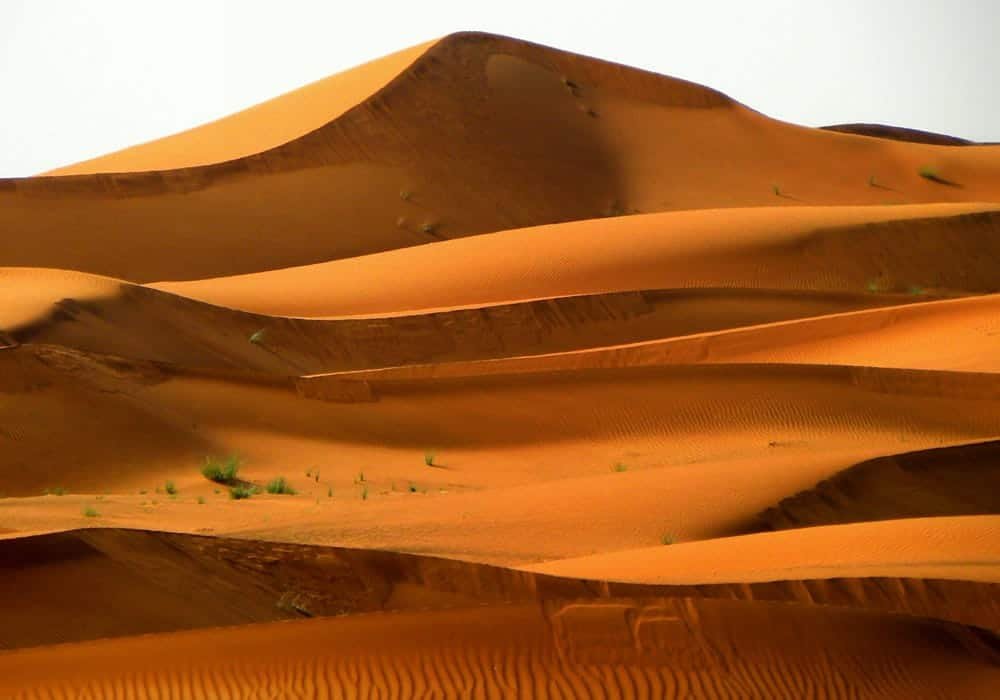
Ever seen a desert that feels like an endless ocean of sand? That’s the Arabian Desert for you. There are no cities, no distractions, just wave after wave of dunes stretching far beyond what your eyes can follow. It is easy, yet somehow it strikes a bit different. The desert covers nations such as Saudi Arabia, UAE, Oman, and Yemen.
The sand here is almost like a liquid. The grains are so smooth and fine, that the dunes literally flow and move up to 30 meters a year, so that what you see today may be totally different next month. These dunes are giant and always moving in the Arabian desert, formed by the strong winds thousands of years ago.
The Arabian Desert climate is exactly what you expect, extremely hot during the day, with temperatures rising quickly under the sun. If you walk barefoot on the sand at sunset, it’s still warm, but no longer burning. As the sun sets, the temperature changes, the air gets lighter and the desert is surprisingly quiet. If you ever visit, don’t miss sunset, the best moment to feel.
Bedouin tribes have inhabited this land for centuries, and they have adjusted to the hostile conditions in a manner that is almost unbelievable. Right in the middle of it lies the famous Rub’ al Khali (Empty Quarter), one of the largest continuous sand deserts on Earth. It’s quiet, raw, and kind of unforgettable once you see it for yourself.
5. Gobi Desert
Location: Mongolia and China
Size: 1.3 million km² (500,000 sq mi)
Climate: Cold and Dry
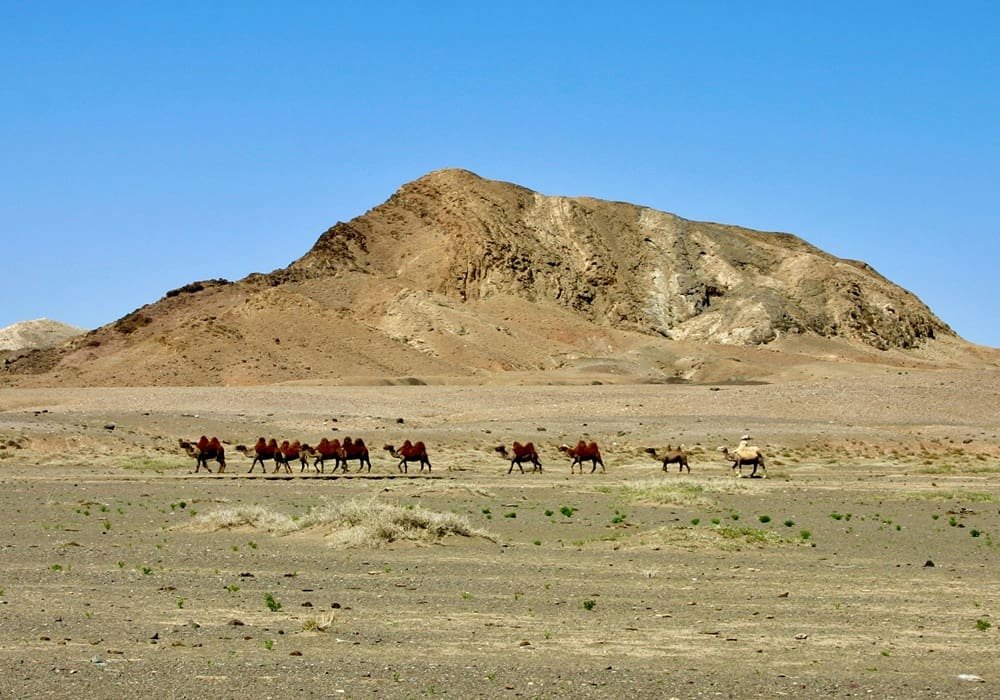
Not every desert is covered with sand dunes, some of them are rough and rocky and a bit unpredictable. The Gobi Desert is just such a place. It is not the kind of desert that you would expect to see, and that is what is interesting immediately. Stretching across Mongolia and northern China, the Gobi is another one in the list of famous deserts in the world, but it’s very different from places like the Sahara Desert.
There will be no endless sand, but wide barren plains, rocky terrain, and even mountains. The Gobi Desert climate is extreme in its own way like hot summers, freezing winters, and strong winds throughout the year. Strong winds here can pick up suddenly, and you will actually feel the sand hitting your face.
One of the details that are quite remarkable is its history. The Gobi is like a giant outdoor museum. It’s so famous for fossils that you can sometimes find dinosaur egg shells just lying on the ground, preserved for millions of years by the dry, rocky soil.
Despite the harsh conditions, life still exists here. You will find camels, snow leopards, and other wildlife adapted to survive in this tough environment. It’s not lush or green, but it’s far from empty.
6. Kalahari Desert
Location: Botswana, Namibia, and South Africa
Size: 900,000 km² (350,000 sq mi)
Climate: Semi-Arid
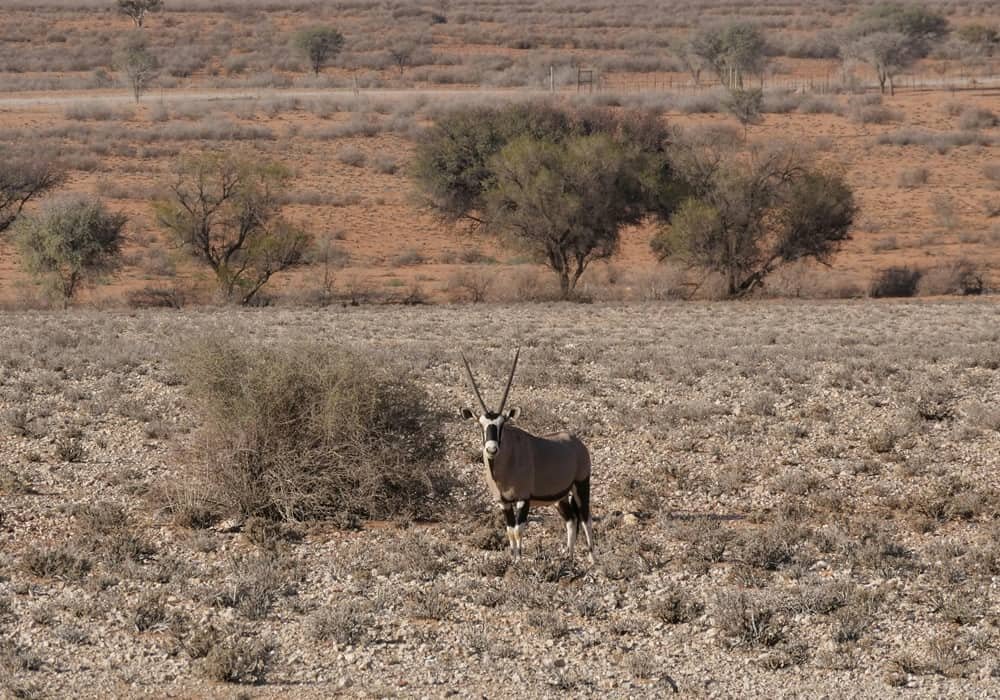
Ever heard of a desert where grass actually grows? Sounds strange that is exactly what you get in the Kalahari. It does not hit you with that harsh, empty feeling. Rather, it is open, welcoming, and surprisingly alive. The Kalahari Desert spreads across Botswana, Namibia, and South Africa, and it’s often included in lists of the famous deserts in the world for this very reason, it’s different.
The Kalahari Desert climate is semi-arid, meaning it gets a bit more rain than typical deserts. It is not enough to make it green all over, but enough to alter the entire atmosphere. Due to that, wildlife here is an entirely different level. You are not just spotting a few animals, you can see lions lying in the sun, meerkats coming out of the sand, and herds passing over the land. It almost feels like desert and a safari combined.
The secret of the Kalahari is hidden underground. It has massive ‘water melons’ and deep roots that stay full of water even when it hasn’t rained for months, which is how the animals and San people survive in such a dry place.
Morning hours are very quiet, you can listen to birds and far animal calls before the hot air arrives. It has a more human connection, too. San people have been living in the area thousands of years with simple, yet clever methods of survival. No modern tools, no shortcuts – just pure understanding of the land.
7. Atacama Desert
Location: Chile
Size: 105,000 km² (41,000 sq mi)
Climate: Extremely Dry
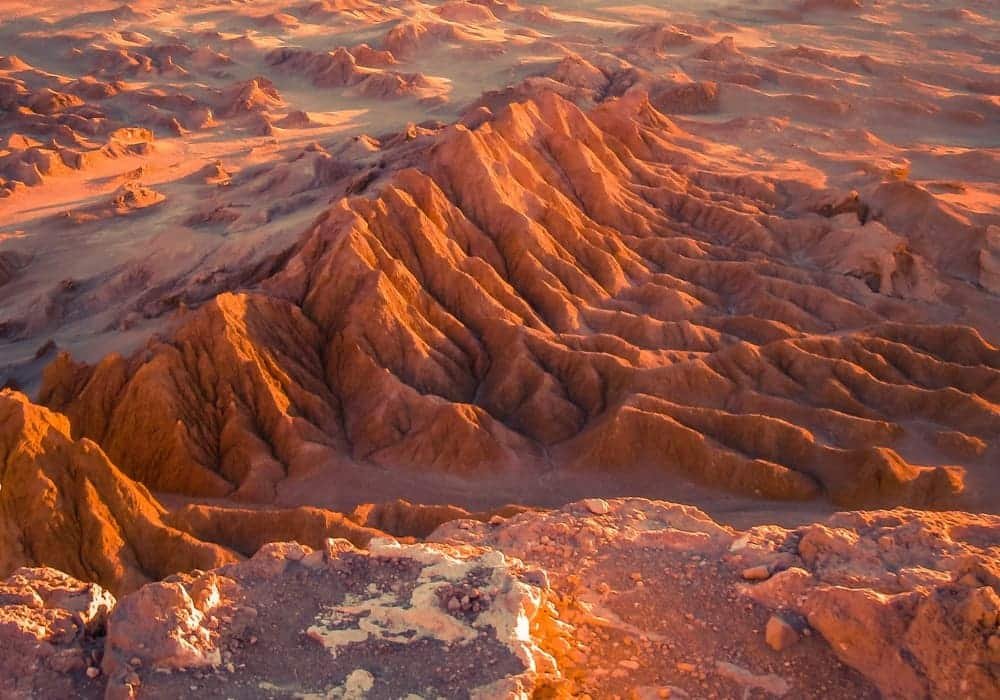
If there is one place on Earth that makes you stop and think “is this even real?” it’s the Atacama. This desert is dry and silent, somewhat surreal and does not overwhelm you. It just sits there, calm and almost unreal. The Atacama desert in northern Chile is commonly referred to as the driest desert in the world, and not just a fun fact, it actually shapes everything about this place.
Some regions haven’t seen rainfall for years, even decades. The Atacama Desert climate is so dry that the ground, rocks, and even the air feel completely different compared to anywhere else. Due to its dryness, your lips and skin begin to feel it in a few minutes. However, the landscape is what really makes it outstanding. You have got great salt flats of endless length, and they shine white under the sun.
Then there is Valle de la Luna (Valley of the Moon), where the landscape is so weird and unbalanced to the point that it actually feels like a different planet. The soil is so similar to the Red Planet that NASA actually tests their Mars rovers here to see if they can survive the most extreme conditions imaginable.
Some places on Earth don’t even feel real. If you are into landscapes like this, you might also like Socotra Island, often called one of the most alien looking places on the planet. It’s not the kind of place that feels busy or crowded. With almost zero light pollution, the Atacama Desert is considered one of the best places in the world for stargazing. You don’t just see the sky, you feel it.
8. Great Victoria Desert
Location: Western Australia and South Australia
Size: 348,750 km² (134,650 sq mi)
Climate: Hot and Dry
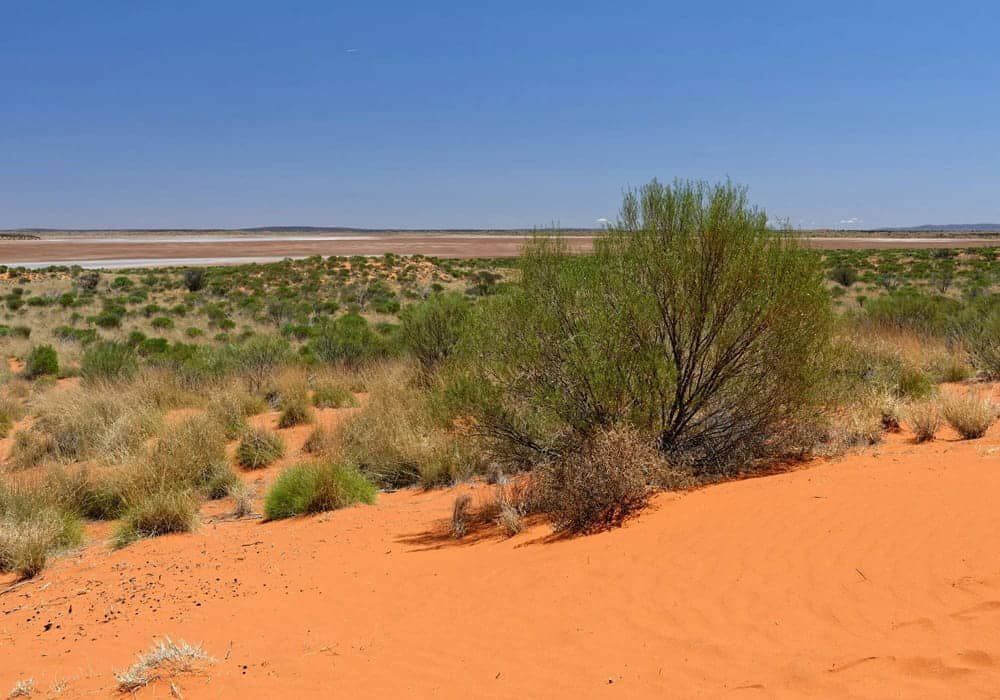
Australia doesn’t do things halfway and its deserts are no exception. The Great Victoria Desert is not loud, well-known as others, but it is large, isolated and in its own way silent impressive. It is the largest desert in Australia covering Western Australia and South Australia.
It does not even always appear on the list of the most famous deserts in the world, but this is more about exposure than significance. The Great Victoria Desert climate is harsh with hot summers, cool winters, and very little rainfall throughout the year.
What makes this desert different is its mix of landscapes. You will see red sand dunes, yes – but also rocky ground and wide stretches of spinifex grass. It is not pure sand, making it a little more layered and textured than usual deserts. Drive long enough here, and the landscape barely changes, it almost feels like time is standing still.
There is also very little human presence here. There are no large tourist attractions, no busy roads, only spacious space and distance. Because of that, much of the desert remains untouched, and in some areas, you will still find Aboriginal communities with deep cultural connections to the land. The Great Victoria Desert is all about space, silence, and raw outback feeling that you will not experience at other places.
9. Mojave Desert
Location: California, Nevada, Arizona, and Utah (USA)
Size: 124,000 km² (47,900 sq mi)
Climate: Hot and Dry
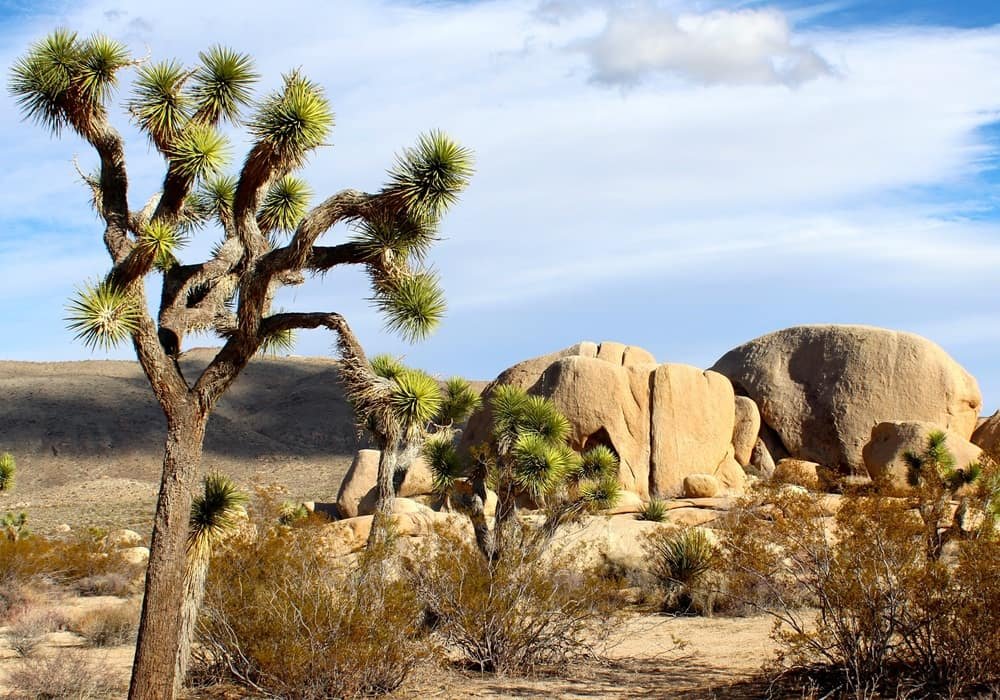
The Mojave Desert is one such place where nature has not held back especially in its extreme form. It is uncooked, melodramatic and somewhat harsh. It is raw, dramatic, and a little intense. Located in the southwestern United States, mainly in California and Nevada. Mojave desert climate is dry and hot during summer and the temperature is so unbelievable.
So why is it counted among the most famous deserts in the world? Simple, it’s home to Death Valley, one of the hottest places on Earth. However, this desert is not all about heat. It possesses a unique appearance that differentiates it. The iconic Joshua trees – twisted, spiky, and oddly shaped, give the landscape a completely different character. You won’t find those in deserts like the Sahara Desert.
Its rocky terrain, sand dunes, and wide open skies, and it starts to feel like a movie set. Accessibility is another aspect that is prominent. The Mojave is more accessible than far-off deserts with national parks, roads, and viewpoints. The extremes can be literally right in front of your face without necessarily going totally off-grid.
Wait a little on the hottest summer day, and you will find the heat coming up out of the earth, not out of the sun. The Mojave Desert is hot, bold, and somewhat unpredictable and does not strive to be subtle. It makes an impression whether you are prepared to it or not.
10. Thar Desert
Location: India and Pakistan
Size: 200,000 km² (77,000 sq mi)
Climate: Hot and Semi-Arid
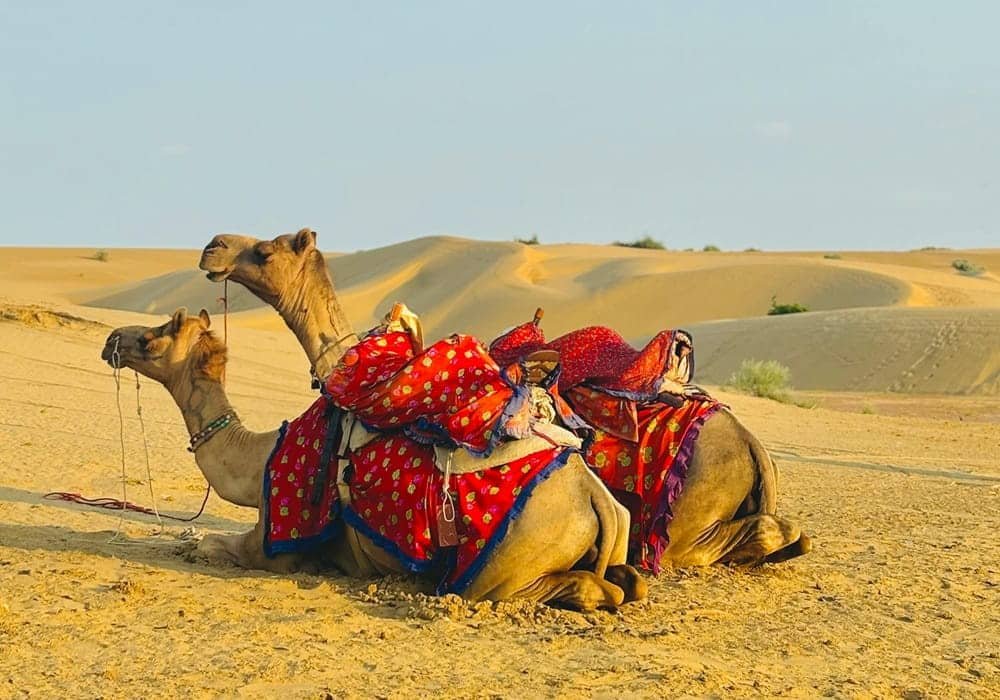
Desert, but with people, colors, and culture everywhere. That is the first thing that is different about the Thar. It’s not silent or empty. It is living in a totally new sense. The Thar Desert, or the Great Indian Desert, spans northwest India and Pakistan.
It’s one of the most populated deserts in the world, which already makes it stand out from places like the Antarctic Desert. The Thar Desert climate is hot and dry, especially in summer, but it also gets seasonal monsoon rains, something you don’t usually associate with deserts.
It is the human presence that makes this place what it is. You will come across villages, mud houses, local markets and people carrying on with daily life in the midst of the desert. This region is also close to many famous landmarks in India that showcase the culture and heritage of Rajasthan.
This is enhanced by camel safaris, traditional music and festivals and this begins to make it more of a cultural experience than a landscape. Whenever you get the opportunity to taste local food in this place, there are dishes such as ker sangri that taste especially earthy and cannot be found anywhere in the world.
The dunes here, especially around Jaisalmer are perfect for sunset views. The sand becomes golden, the camels pass slowly on the horizon and the entire picture is not empty but relaxing. Thar Desert shows that deserts do not have to be lonely, they can be vibrant, lively and full of stories.
Final Thoughts
After going through this list of the most famous deserts in the world, it’s pretty clear each one has its own personality. Some are brutally hot, some are freezing cold, and a few don’t even look like deserts at all. No two deserts are the same, whether in the dunes of the Sahara Desert, the icy silence of the Antarctic Desert, or even the colorful and culture-filled Thar Desert. It is that contrast which makes them so interesting.
Bottom line? When you have any opportunity to visit at least one of these places visit it. Photos look great, sure – but being there in person is a whole different experience.