Last Updated on 12th July 2026 by admin
At World Famous Things, we love sharing the most beautiful places our planet has to offer. Nature has given us some unbelievable wonders, but sadly, not all of them are here to stay. Some of the most famous natural spots are slowly vanishing right before our eyes. Climate change, pollution, and too much human activity are taking a toll. So, we thought, why not talk about them now while there’s still time to visit and admire them?
Ready to take a little trip around the world with us? Let’s look at 10 amazing natural wonders that are disappearing and why you should care about them.
1. The Great Barrier Reef, Australia
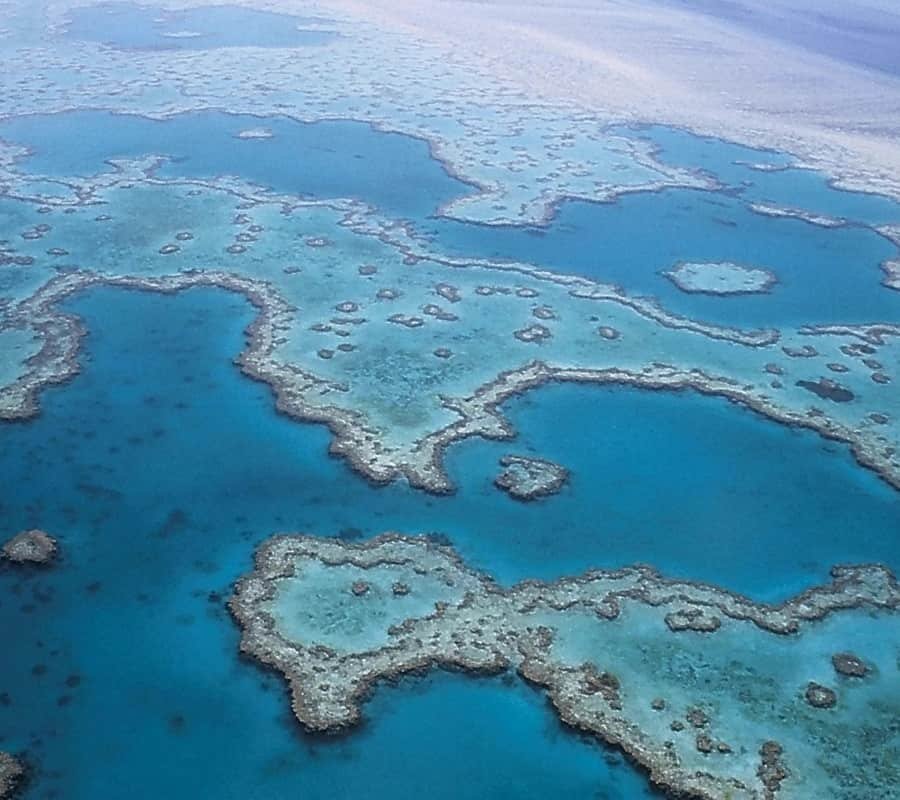
We cannot talk about disappearing natural wonders without starting with the Great Barrier Reef. This giant reef system stretches over 1,400 miles off the coast of Queensland, Australia, and is home to thousands of marine species. It is the largest coral reef system on the planet and home to thousands of marine species, and one of the fascinating things in the world.
But rising sea temperatures have caused mass coral bleaching, leaving large parts of the reef pale and lifeless. So, what does that mean for travelers like us? Well, it means that if seeing the reef has been on your bucket list, it’s a good idea to plan that trip soon. Snorkeling or diving here is a magical experience, but every year counts when it comes to what’s left to see.
2. The Dead Sea, Israel and Jordan
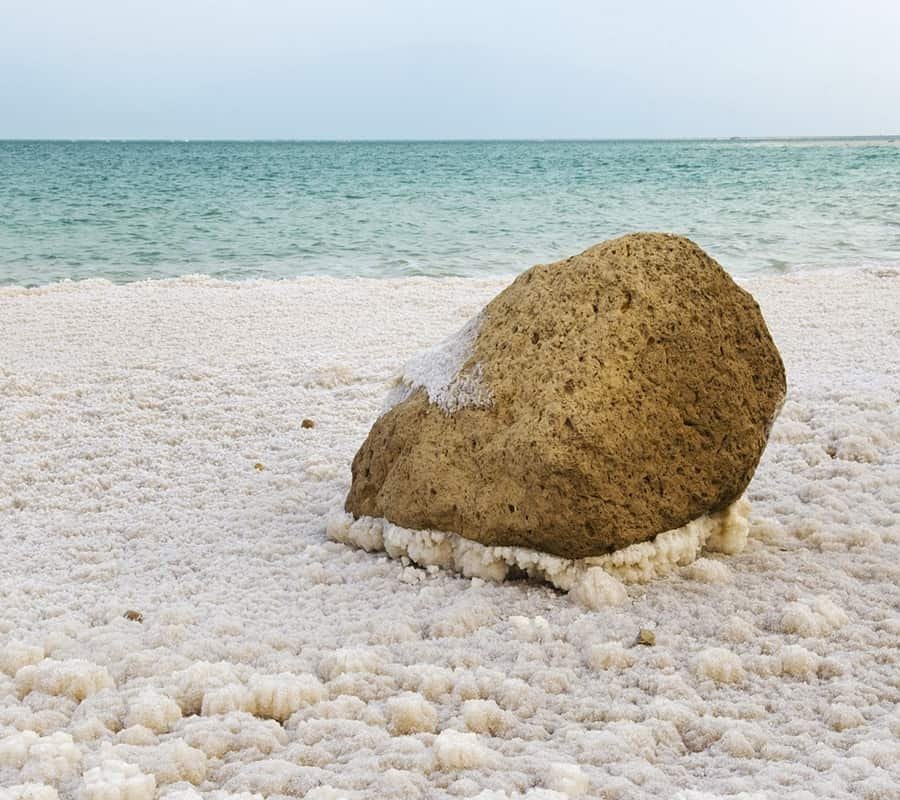
The Dead Sea is famous for letting people float without any effort because of its super salty water. It is also the lowest point on Earth, which sounds pretty cool, right? People have been coming here for centuries to enjoy its unique waters and use the mineral-rich mud. The sad news is that the Dead Sea is shrinking at a shocking rate.
Water from the Jordan River, its main source, has been diverted for agriculture and drinking needs, leaving the Dead Sea without enough water to refill itself. Large sinkholes are also appearing around the shoreline, making some parts unsafe. If you ever wanted to smear yourself in Dead Sea mud and take that classic floating photo, this is the time to do it.
3. Mount Kilimanjaro’s Glaciers, Tanzania
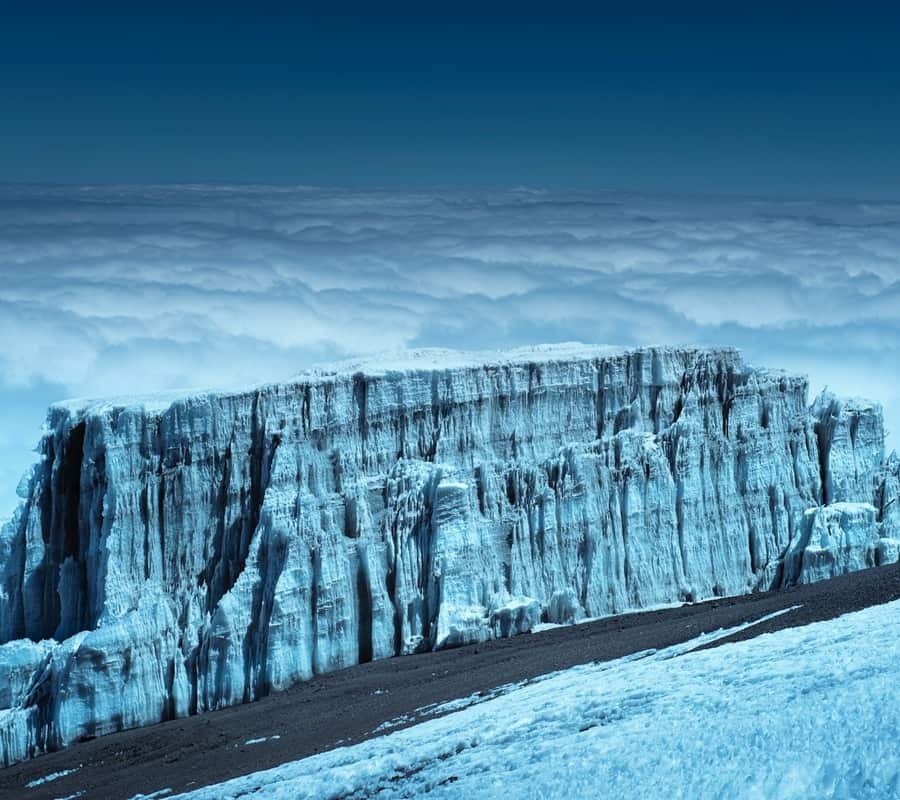
Mount Kilimanjaro is Africa’s highest peak, rising 5,895 meters (19,341 feet) above the African savannah. What makes it truly unique, though, is the presence of massive ice fields and glaciers sitting almost directly on the equator. You have probably seen pictures of its snow-covered summit, but those snowcaps are melting fast. Scientists predict that these famous equatorial glaciers could completely vanish within the next few decades, changing the face of Africa’s highest peak forever.
Kilimanjaro has lost more than 85% of its ice cover since 1912. Imagine standing at the top and not seeing the white peak that makes Kilimanjaro so famous. If hiking or climbing this mountain has been a dream, start making those plans now. The view from the top is worth every step. Standing on that mountain and looking out over the endless African plains is one of those experiences you’ll never forget.
4. The Amazon Rainforest, South America
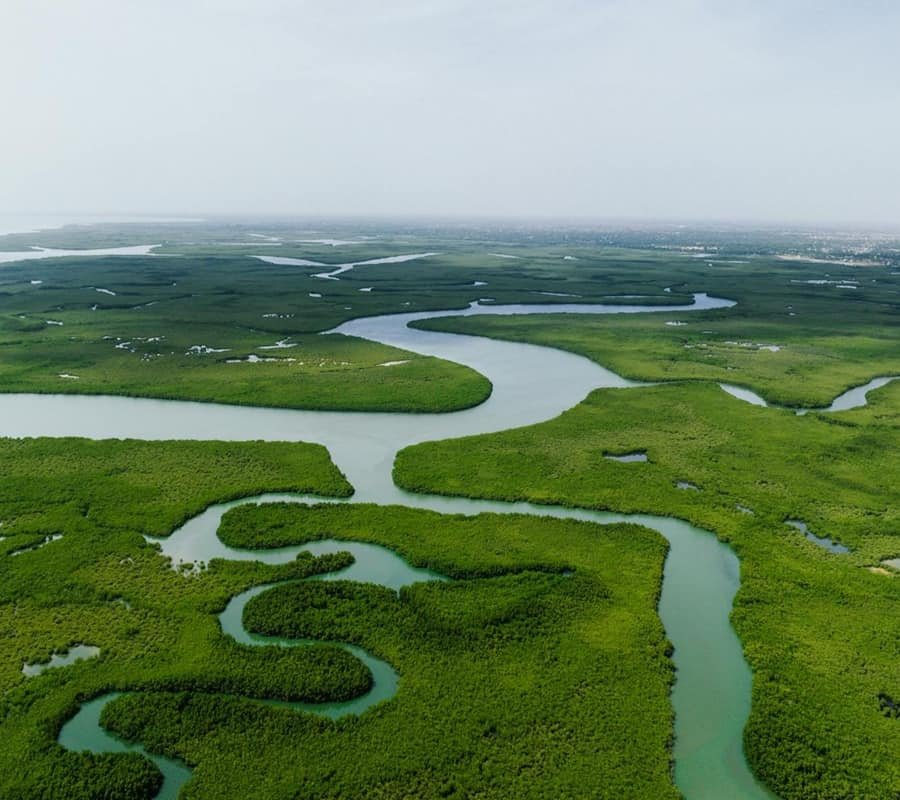
The Amazon Rainforest is among the most famous natural wonders on Earth, and it truly deserves that title. Spanning across nine South American nations, it covers a staggering 5.5 million square kilometers (over 2 million square miles). Covering several countries in South America, this massive green paradise is home to millions of plants, animals, and Indigenous tribes. While 60% of the forest is in Brazil, it also stretches into Peru, Colombia, Venezuela, Ecuador, Bolivia, Guyana, Suriname, and French Guiana.
People often call it the “lungs of the Earth.” While that saying is catchy, scientists say its oxygen contribution is much lower than many think. Still, the Amazon is a powerhouse for absorbing carbon and keeping our planet’s climate in balance. Sadly, this wonder is disappearing faster than we like to admit. Huge areas are cleared every year for cattle ranching, farming, and logging. Visiting responsibly and supporting eco-friendly tourism can help protect it.
5. The Maldives, Indian Ocean
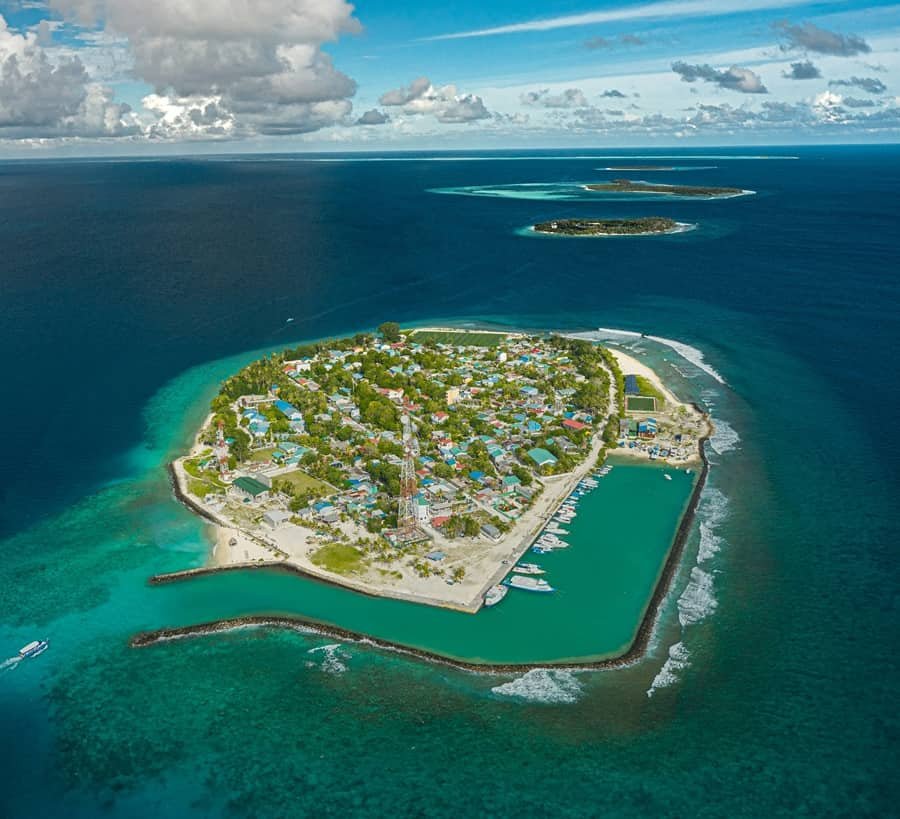
The Maldives is one of the most famous tropical destinations on the planet, and honestly, it looks like a real-life postcard. With its crystal-clear waters, white sand beaches, and overwater villas, it has become a dream vacation spot for travelers from all over the world. While the Maldives is a dream holiday destination, its beautiful geography leaves it incredibly vulnerable. Because the islands are so close to sea level, tidal flooding and beach erosion are constant challenges.
Some scientists even say that parts of the Maldives could be uninhabitable by the end of this century. That sounds scary, doesn’t it? If you have ever dreamed of waking up to the sound of waves and jumping straight into turquoise water, now might be the best time to make that dream a reality. To protect their home, the Maldivian people and government are leading the world in creative climate adaptation.
6. Victoria Falls, Zambia & Zimbabwe
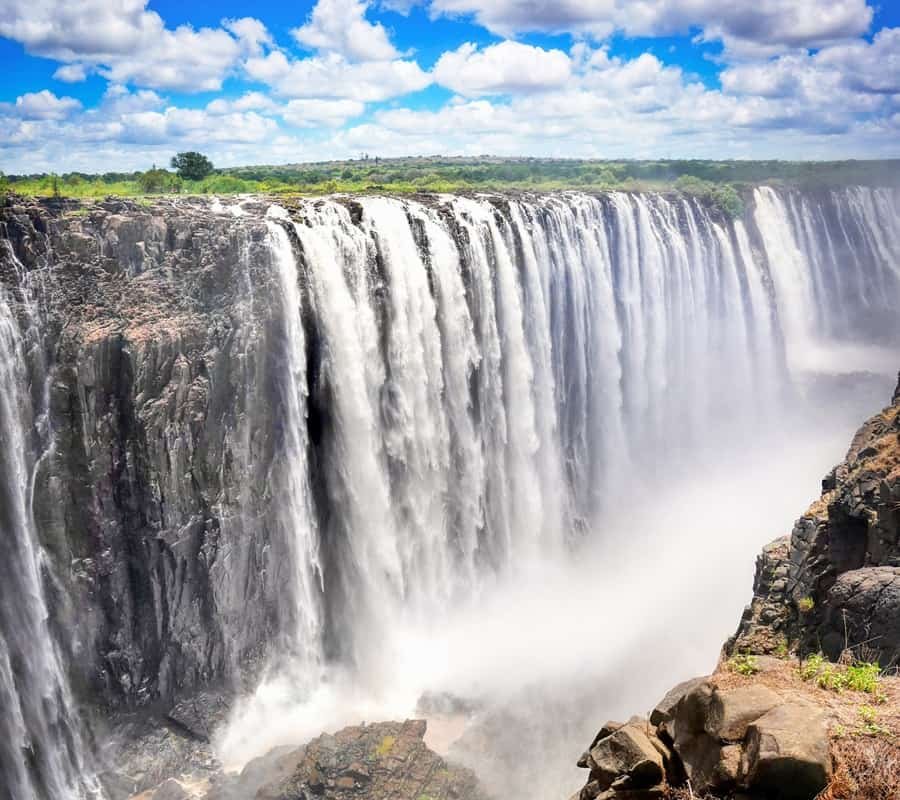
Victoria Falls is one of the most famous waterfalls in the world and a true showstopper. Sitting on the border of Zambia and Zimbabwe, it is often called “The Smoke That Thunders” because of the huge mist and roaring sound you can hear from miles away. But here’s the thing – this natural wonder is facing a big challenge. Changes in rainfall patterns and drought have been making the water levels drop during dry seasons, sometimes leaving large parts of the falls almost completely dry.
That means the full curtain of water we all expect to see is not guaranteed year-round anymore. If you have ever dreamed of standing at the edge of Victoria Falls and feeling the spray on your face, now is the time to go. The sight of that massive wall of water crashing down is unforgettable, and visiting helps support local tourism, which plays a big part in protecting this wonder.
7. The Florida Everglades, USA
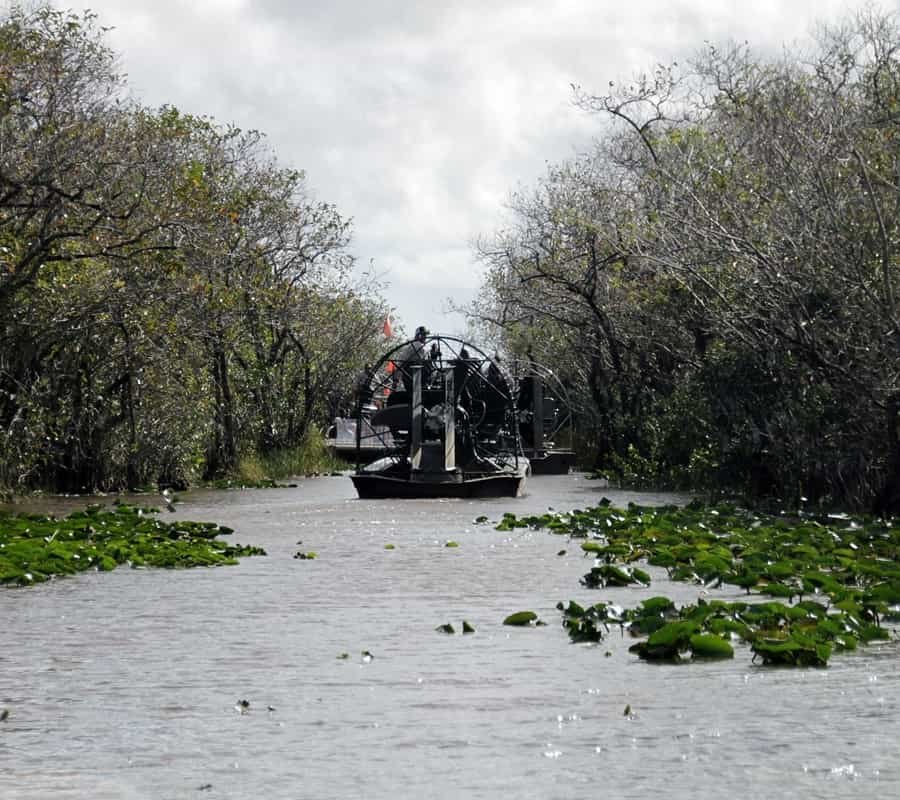
The Florida Everglades is one of the most unique and famous wetlands in the world. Located at the southern tip of Florida, it is often misunderstood as a stagnant swamp, but it is actually a massive, slow-moving freshwater river. It is often called the “River of Grass” because it is a slow-moving, shallow sheet of water that stretches across southern Florida. This amazing ecosystem is home to alligators, manatees, panthers, and hundreds of bird species.
But drainage projects, pollution, and rising sea levels have been shrinking this natural wonder for decades. The good news is that conservation programs are trying to save it, but the ecosystem is still under threat. Today, one of the largest ecological restoration projects in history is underway to clean the water and turn the natural flow back toward the park, ensuring this legendary landscape survives for future generations.
8. The Aral Sea, Central Asia
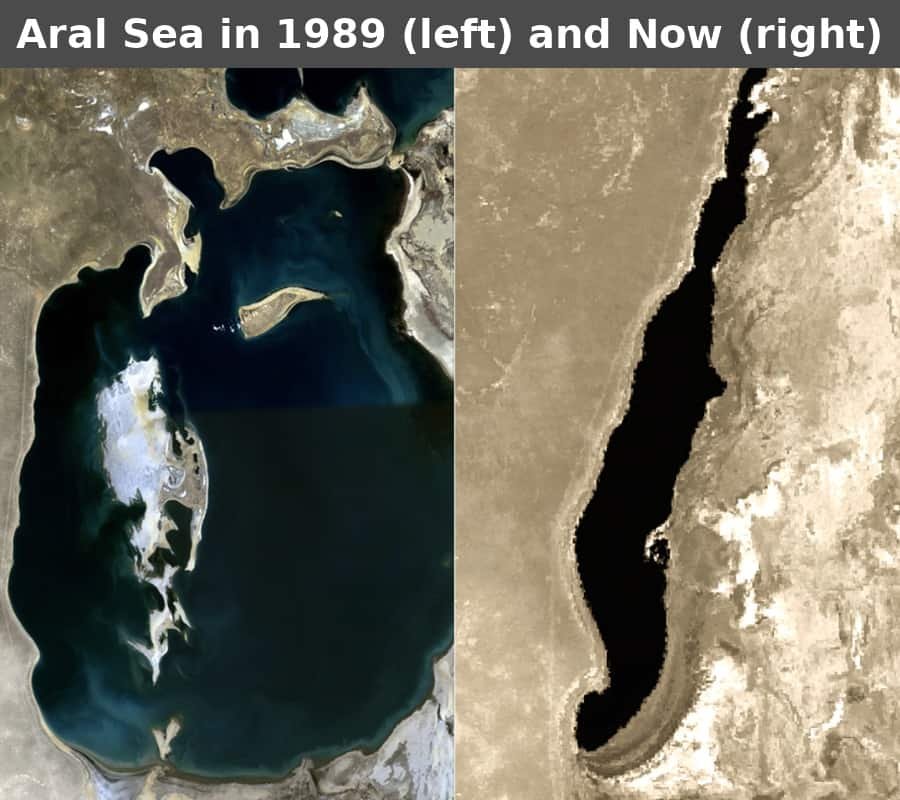
The Aral Sea, located between Kazakhstan and Uzbekistan in Central Asia, is famous for a very tragic reason. It represents one of the most severe man-made environmental disasters in human history. The Aral Sea used to be one of the largest lakes in the world, but most of it has dried up due to water diversion for agriculture. What was once a thriving fishing area is now a dusty desert with abandoned boats sitting on dry land.
We even created a powerful image to show just how much it has changed, Aral Sea in 1989 (left) and Now (right) – and when you see the difference, it really hits hard how fast this wonder has vanished. Some parts of the sea are being slowly restored, but it may never be what it once was. Seeing it now can be an eye-opening experience.
9. The Colorado River and Grand Canyon, USA
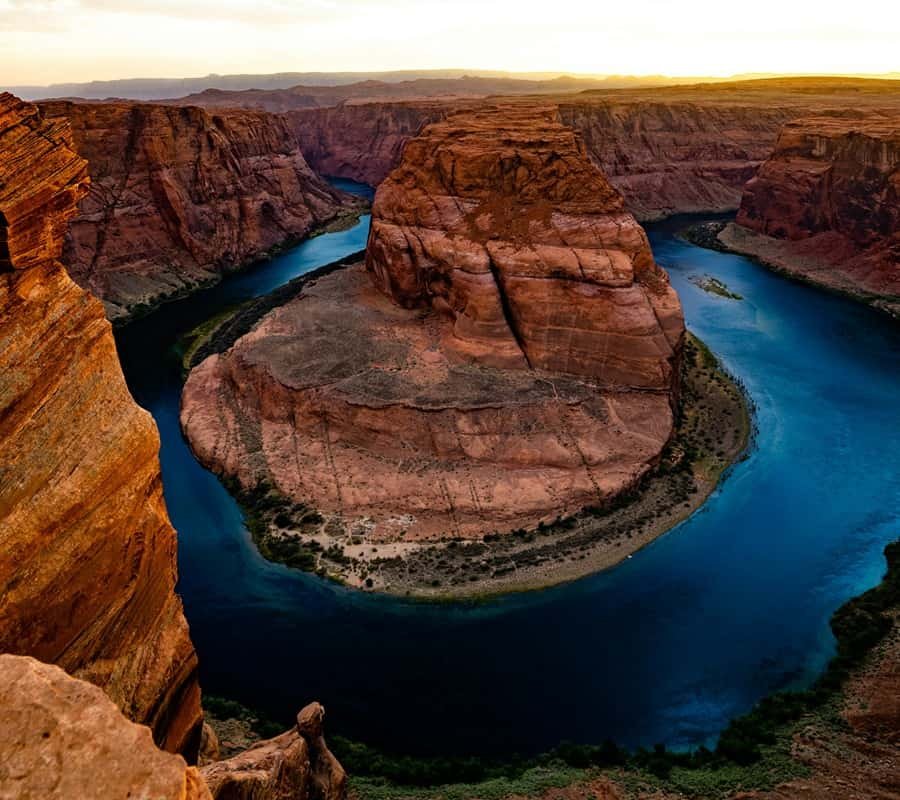
Yes, even the Grand Canyon is facing challenges. The Grand Canyon, carved over millions of years by the Colorado River in Arizona, USA, stands as one of the most famous and awe-inspiring natural wonder on Earth. The Colorado River, which carved out this iconic natural wonder, is running lower than ever before due to overuse and drought. Less water means less of that dramatic flow we expect to see when visiting.
This place is among the most famous tourist attraction in the USA, attracting millions of tourists every year. The canyon itself will not disappear anytime soon, but its ecosystem depends on that river. Despite these challenges, the canyon remains a thriving sanctuary for wildlife, ranging from bighorn sheep to the rare, giant California condors soaring high above the red rock rims.
10. Glacier National Park, USA
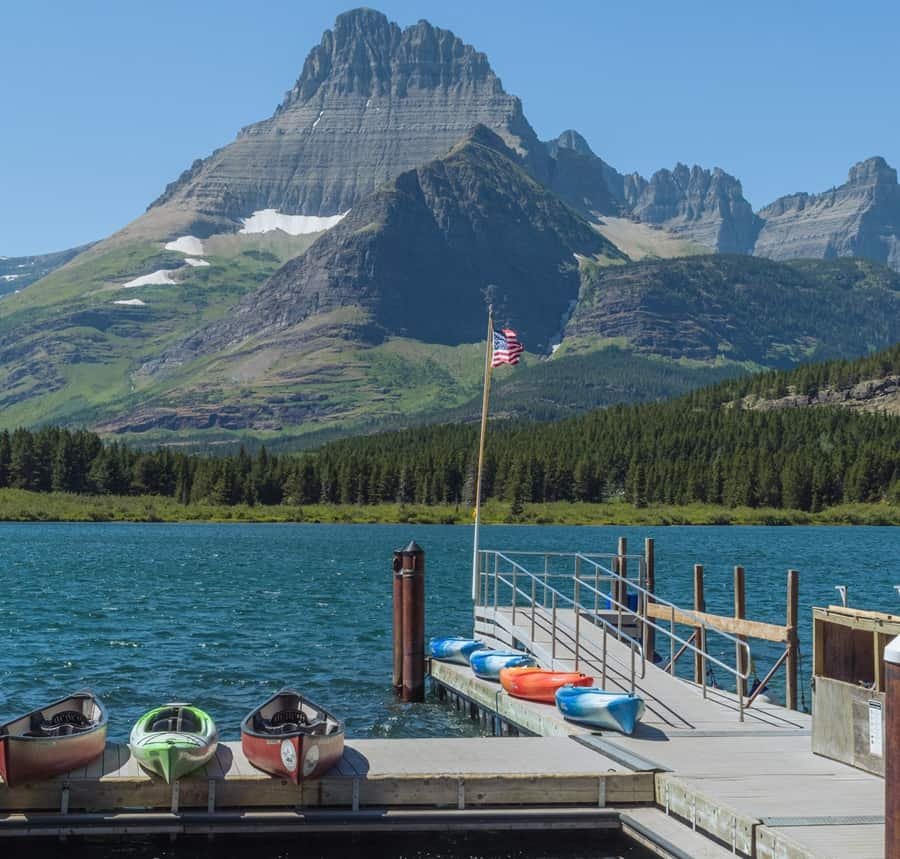
Glacier National Park in Montana is widely recognized as stunning places in the United States. It is filled with rugged mountains, crystal-clear lakes, and of course, its namesake glaciers. While the park’s spectacular landscape was sculpted by giant ice sheets during the last ice age, it is currently experiencing rapid environmental changes. When the park was established in 1910, it was home to an estimated 150 active glaciers. Today, only 26 named glaciers remain large enough to be considered active.
Can you picture visiting a place called Glacier National Park without any glaciers? So, if you want to see real glaciers in the USA, Glacier National Park should be on your list soon. Despite the shrinking ice, Glacier National Park remains a thriving, intact ecosystem. It is one of the few places in the lower 48 states where nearly all its original native plant and animal species still coexist
We believe that seeing these natural wonders while we still can is not just about ticking them off a travel list. It is also about understanding how fragile our planet really is. When we visit responsibly, we support conservation efforts and raise awareness.
So, which of these disappearing wonders would you like to see first? Whether it is floating in the Dead Sea, hiking through the Amazon, or diving in the Maldives, there is no better time than now. Nature is changing fast, but together we can still appreciate and protect its most incredible creations.