
Last Updated on 9th February 2026 by admin
Iceland isn’t just a travel destination, it’s a beautiful country because it boasts wonderful natural wonders. This Nordic island nation is a living, breathing showcase of Earth’s raw power and beauty. Just imagine standing at the edge of a roaring waterfall, or watching steam rise from the ground as if the planet itself were exhaling. That’s Iceland – a land where glaciers meet volcanoes, and where nature is telling us all the time who actually the boss is.
In this article, we’ll explore 10 most famous natural wonders in Iceland. From the thunderous Dettifoss to the calm Blue Lagoon, each destination reveals a different side of Iceland’s personality. Together, they form a mosaic of beauty, danger, and wonder that makes Iceland one of the most beautiful places on Earth.
1. Gullfoss Waterfall
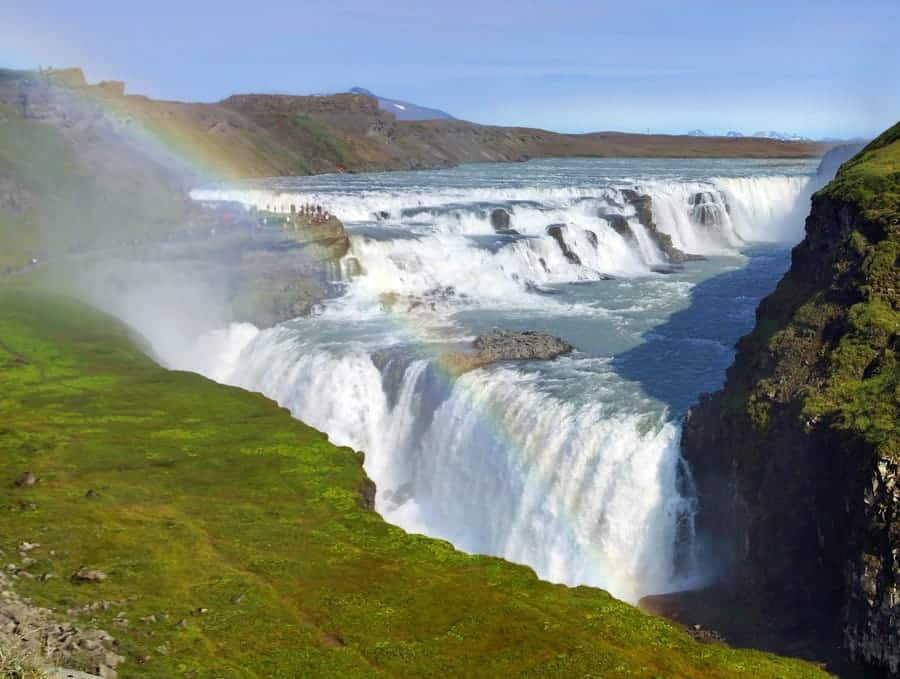
Iceland is home to many world-famous waterfalls, and Gullfoss is one of the crown jewels of the country. The Hvítá River falls in two dramatic stages into a rugged canyon, forming a mist-like cloud which shines golden in the sunshine – hence its name, “Golden Falls.” Standing at the viewing platform, you feel the roar in your chest, as if the waterfall is speaking directly to you.
However, Gullfoss is not only about the spectacle but about strength. In the early 20th century, developers wanted to harness its power for electricity. Sigríður Tómasdóttir, the farmer’s daughter who loved the falls, she struggled hard to preserve it. Her determination – even threatening to throw herself into the river, saved Gullfoss from industrialization. Today, it is now wild and free, and it is an indication of how much Iceland cares about preserving nature.
Gullfoss is regularly compared to Niagara by the visitors, although there is a difference: Gullfoss is closer, less commercial and closer to the land. It is not only a waterfall but also a reminder that there are some treasures that are worth fighting over.
2. Geysir Geothermal Area
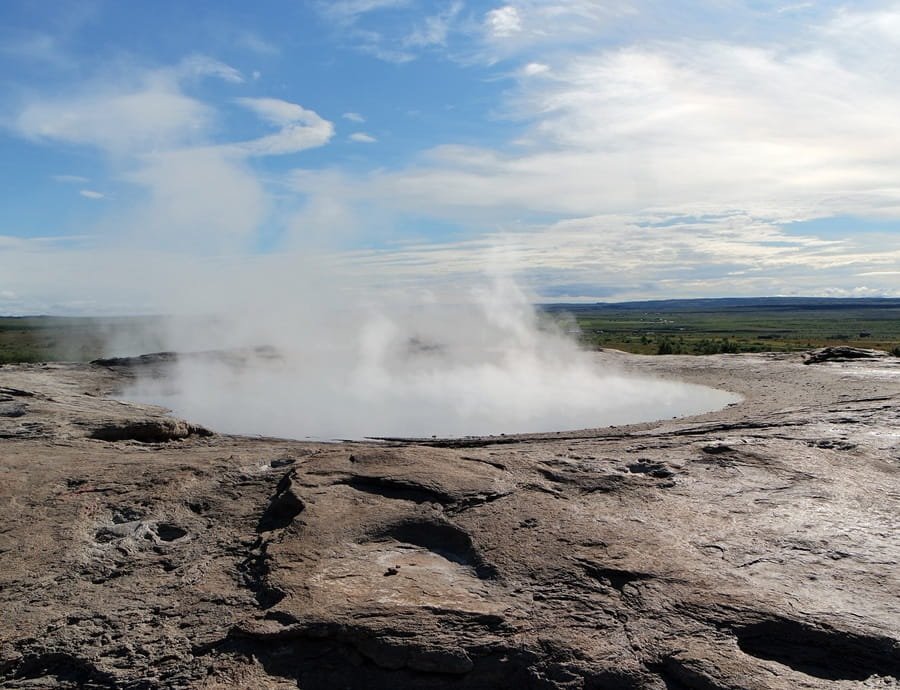
The Geysir Geothermal Area is another beautiful natural wonder of Iceland, where the word “geyser” was born. Great Geysir is currently mostly inactive now, but its neighbor Strokkur erupts every 5–10 minutes, shooting boiling water up to 30 meters. It is mesmerizing to watch Strokkur, as the pool swells, bubbles before bursting sky high in a pulse of steam and spray.
You can forget that under your feet, there is a turbulent volcanic system. The geothermal fields here are a window into Iceland’s fiery heart. The odor of sulfur, the hiss of the vents of steam, the bubbling mud pools all make you realize that land is alive.
For tourists, the area is part of the famous Golden Circle route, making it accessible yet unforgettable. Unlike Yellowstone’s Old Faithful, Strokkur’s eruptions are shorter but more frequent, giving visitors multiple chances to witness the spectacle. It is the place where science and wonder meet each other – evidence that the nickname Iceland was given is not exaggerated.
3. Thingvellir National Park
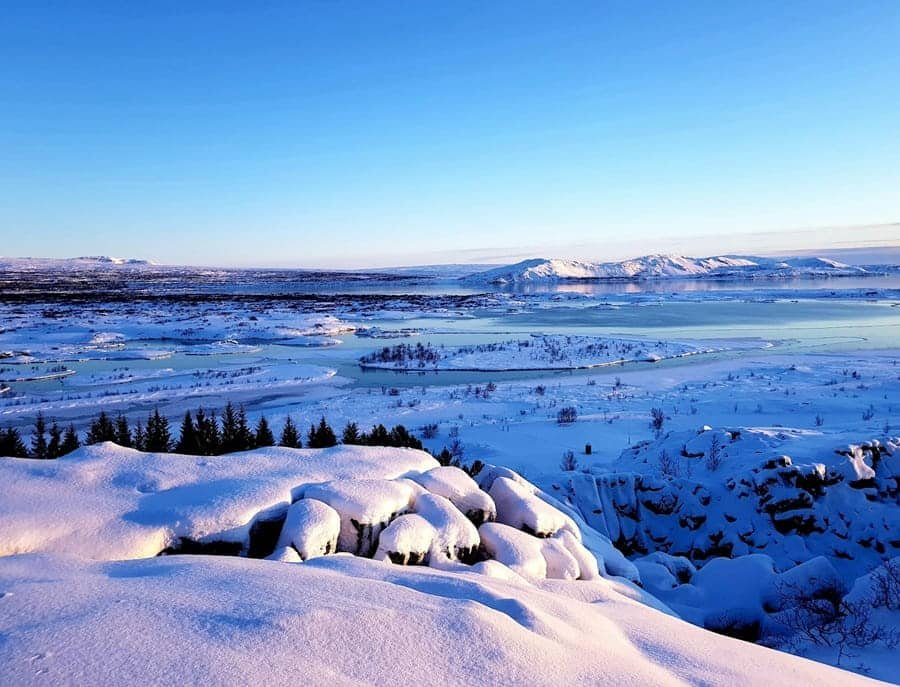
Thingvellir National Park is another amazing natural wonders in Iceland, where geology and history meet. Here, the North American and Eurasian tectonic plates drift apart, forming fissure and valleys which can literally be walked through. Standing between continents is surreal, here you are straddling two worlds at once.
But Thingvellir is also the birthplace of Icelandic democracy. In 930 AD, the Alþingi (parliament) was established here, making it one of the oldest parliaments in the world. Suppose the chieftains of Vikings were meeting here in this dramatic scene to discuss laws and resolve controversies. The place itself is rather symbolic: a gathering field that is created by more powerful forces than any person.
Today, Thingvellir National Park is a UNESCO World Heritage site, it is not only attracts hikers and divers, but also history enthusiasts. The Silfra fissure, filled with crystal‑clear glacial water, offers one of the most unique diving experiences in the world. There is hardly a place where natural beauty, cultural heritage and geological significance fit so well together.
4. Vatnajökull Glacier
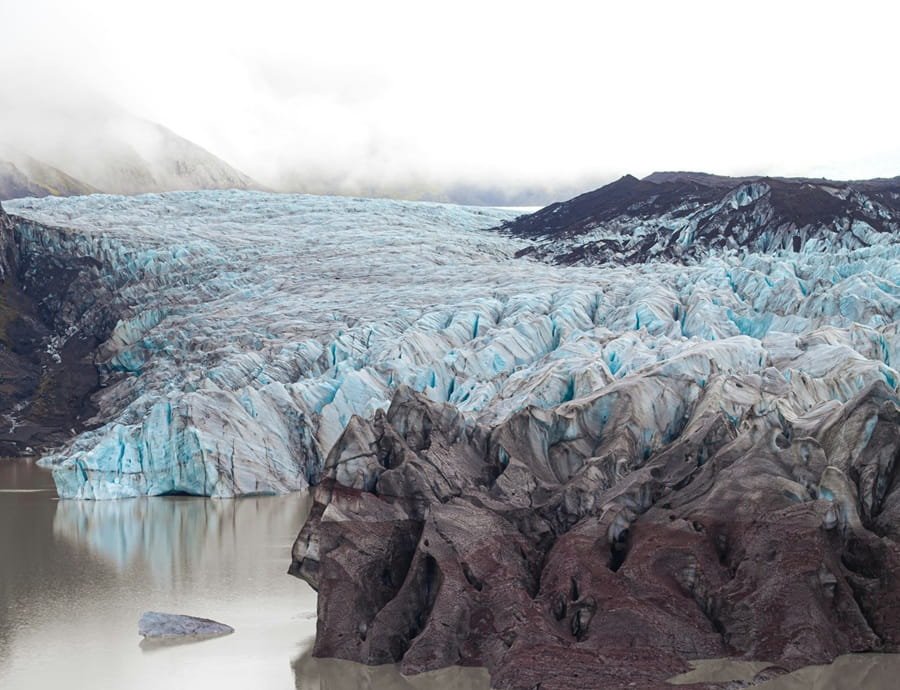
Vatnajökull glacier is the largest ice cap by volume and the second-largest by area in Europe. It is not only a glacier — it is a world in itself, covering nearly 8% of Iceland, stretching across mountains, valleys, and volcanic terrain. Suppose it is a frozen kingdom, with its ice-caves glowing with blue, it’s crevasses making deep scratches on the surface, its rivers of melted water winding down to the sea.
The unique thing about Vatnajokull is its dual personality. There are also active volcanoes beneath the ice such as Grimsvotn which has erupted several times in the recent history. This unusual union of fire and ice form dramatic scenery – glaciers developed by the volcanic warmth, and volcanic plains ruined by the floods of the glacials. It’s a reminder that Iceland is constantly rewriting its own geography.
For adventurers, Vatnajökull offers glacier hikes, snowmobile tours, and guided explorations of its caves. Each experience feels fleeting, because the glacier is alive, shifting and retreating year by year. Researchers are afraid of the fact that climate change is melting down rapidly, transforming Vatnajökull into a paradise and a warning sign.
5. Jökulsárlón Glacier Lagoon
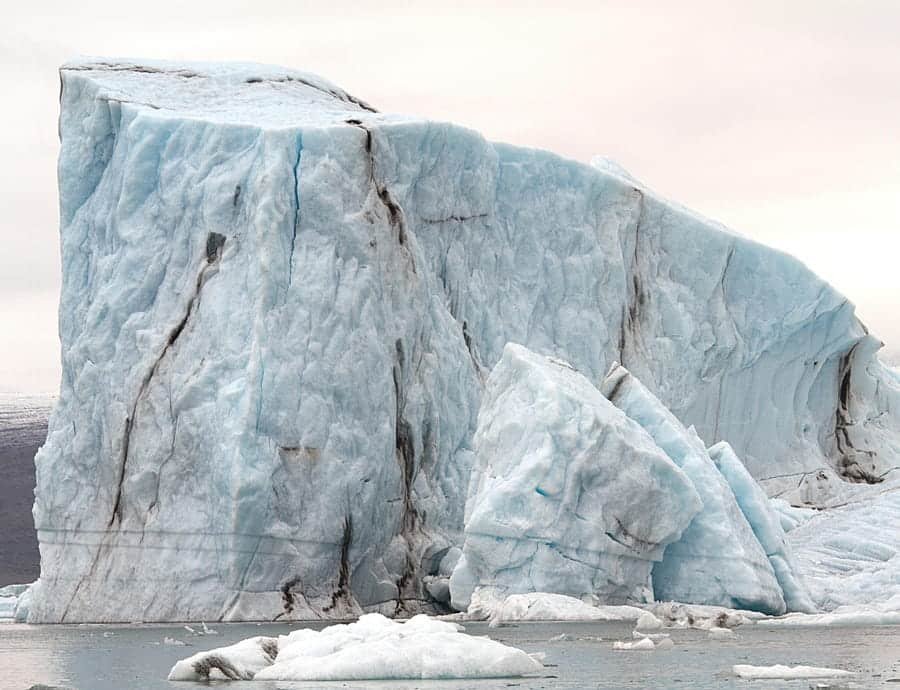
Jökulsárlón is a place that would seem like it was a dream, like you have entered the realm of a dream. The lagoon is situated on the borders of the Vatnajokull Glacier and is covered with icebergs, which are torn off the glacier and slowly flow towards the Atlantic Ocean. Their shades are brilliant white and dark and shallow blue, and occasionally flecked with volcanic ash – every iceberg a work of Nature designed as a sculpture.
The most fascinating thing about Jökulsárlon is that it changes every time. There is never two visits, icebergs crack, melt, and change, composing a living breathing work of art. The floating ice is frequently covered with seals, which gives the stark beauty of ice and its beauty some grace. The nearby Diamond Beach completes the scene, where fragments of ice wash ashore and sparkle like jewels against the black volcanic sand.
The lagoon has also captured Hollywood’s imagination. It is been featured in James Bond films like Die Another Day and A View to a Kill, as well as Batman Begins. Yet, despite its cinematic fame, the real magic lies in simply standing at the water’s edge, watching time itself melt away. Jökulsar is not simply a lagoon it is a way of reflecting on the impermanence one can live in, it reminds one that there is a story of ice as well.
6. Skógafoss Waterfall
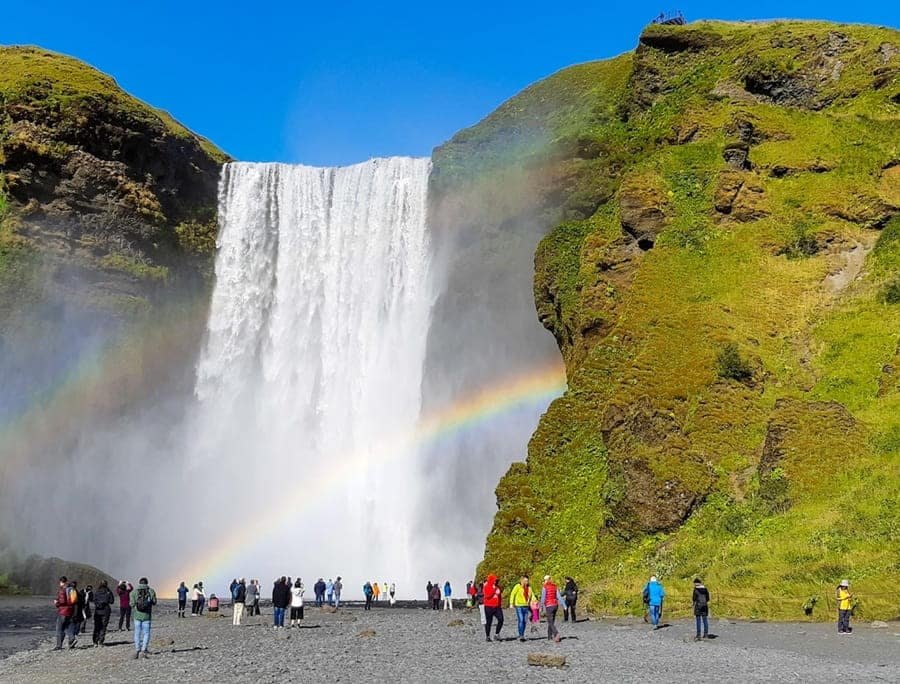
Skógafoss is one of the beautiful waterfalls in the world, it is one of those places where you don’t just see a waterfall but you feel it. At 60 meters high and 25 meters wide, its curtain of water crashes down with such force that the mist can drench you even from a distance. During sunny days, rainbows can be seen in the spray and, and if you are lucky, you might catch a double rainbow arching across the falls.
But Skygafoss is not just a beauty of nature, it is a legend. According to folklore, Þrasi Þórólfsson, a Viking settler, hid a chest of gold behind the waterfall. Locals claim the chest was glimpsed centuries later, but only the ring was retrieved before it disappeared again. Whether myth or truth, the story adds a layer of mystery to the already dramatic scene.
For travelers, Skógafoss offers more than a single viewpoint. A staircase beside the falls leads to panoramic views of the Skógá River, which flows into a trail dotted with dozens of smaller waterfalls. Hiking here feels like entering a saga, one moment you are in a world of mist, the next you are looking down over endless valleys. Compared to Gullfoss, Skógafoss feels more intimate, almost theatrical, as if inviting you to step into the legend yourself.
7. Reynisfjara Black Sand Beach
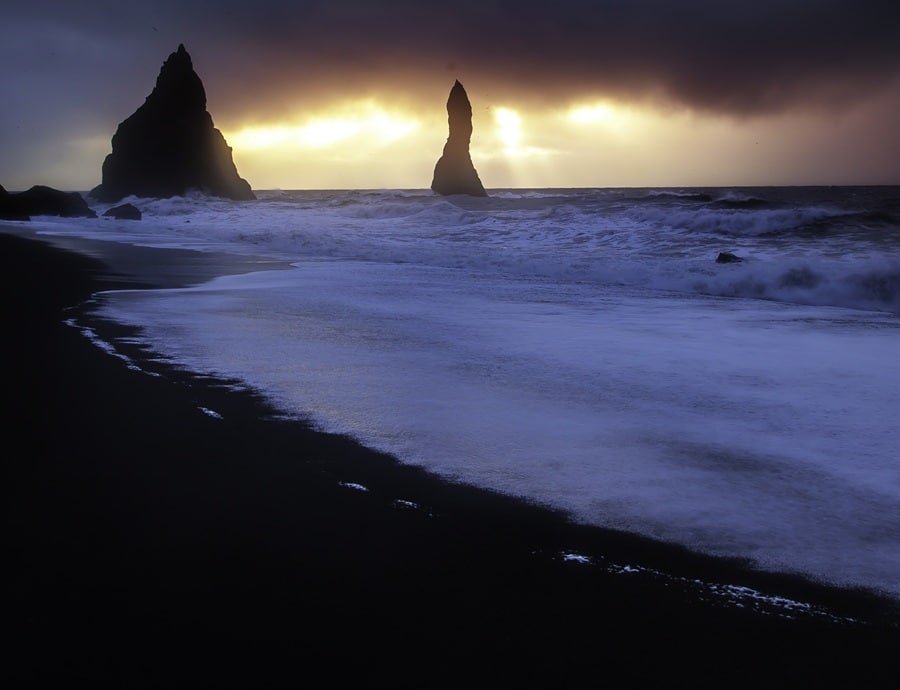
Reynisfjara black sand is one of the unique beaches in the world. It is not the type of beach where you lay down a towel and enjoy a cold drink – it is where you see nature in its wild and untamed form. It is located near the village of Vík on Iceland’s south coast, the beach is famous for its jet‑black volcanic sand, formed from centuries of lava breaking down into fine grains. Against this dark backdrop rise towering basalt columns, shaped like organ pipes, that look almost architectural.
The atmosphere here is dramatic. The Atlantic waves come crashing on and the shore becomes unsafe due to sneaker waves, which are sudden and huge waves that come out of the blue. Locals advise tourists to maintain a healthy distance, and the warnings are not an exaggeration. Reynisfjara is to be respected, as a reminder that beauty is fierce.
To make it even more of a mystery, there are the Reynisdrangar sea stacks, which are rough heaps of rocks emerging out of the sea. Icelandic folklore states that they were trolls which were transformed into stones when exposed to sunlight. Regardless of believing the myth or not, the place where these formations appear in front of the stormy sea is memorable.
8. Dettifoss Waterfall
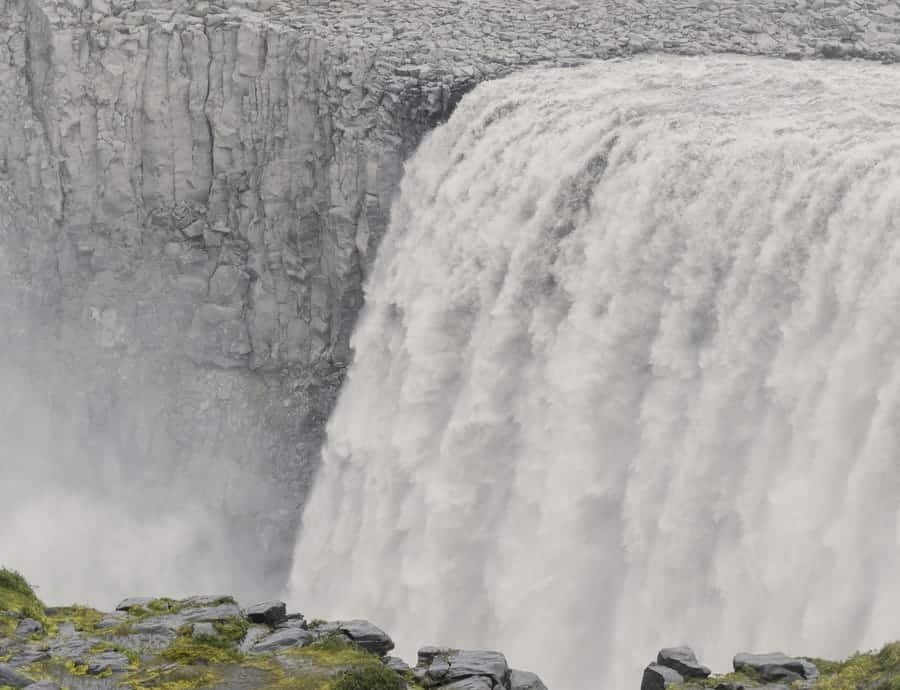
Dettifoss is often described as Europe’s most powerful waterfall, and standing before it, you immediately understand why. It is located in Vatnajokull National Park, and the falls plunge 44 meters into a rugged canyon, with a width of about 100 meters. The amount of water fed by the glacial river Jökulsá á Fjöllum makes a roar of thunder, that you can hear, not just in your ears but also feel in your chest.
Visitors often compare Dettifoss to Niagara Falls, but the experience is different. Niagara is shining with lights and tourism sites, whereas Dettifoss is savage, wild, and nearly intimidating. The water is often gray, carrying sediment from glaciers, which adds to its apocalyptic vibe. It is no surprise that filmmakers chose Dettifoss for the opening scene of Ridley Scott’s Prometheus, the waterfall looks like the birthplace of worlds.
Approaching Dettifoss requires a hike across rocky terrain, and the mist can soak you quickly, but that’s part of its charm. It is not a refined attraction, it is nature at its purest. When you are there you know that Iceland does not only reveal beauty to you, it reveals to you the power of the planet, and how wild it can be.
9. Blue Lagoon
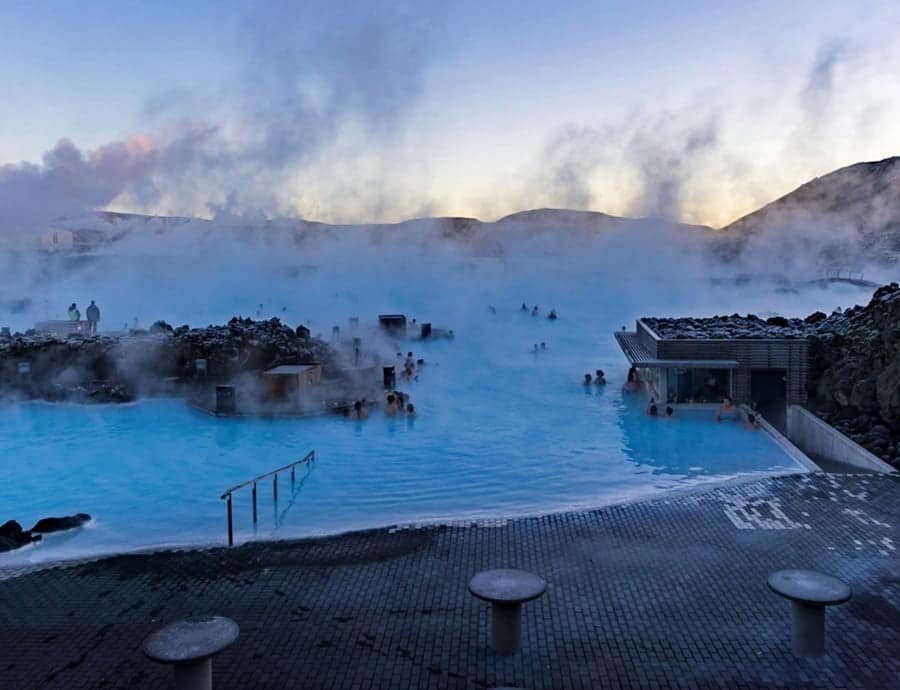
The Blue Lagoon is perhaps Iceland’s most famous attraction, and while it’s partly man‑made, its geothermal waters are undeniably a natural wonder. The lagoon is situated in a lava field, in the area of Grindavik and is filled with silica and minerals, which not only give it a characteristic color, but also the so-called healing qualities. When you enter the warm water, you instantly experience the difference the scalding hot water and the cool Icelandic air, and it is both relaxing and refreshing.
Some travelers dismiss the Blue Lagoon as “too touristy,” but that overlooks its uniqueness. The lagoon is not a normal spa like the rest but rather a blend of science and tranquility with the geothermal energy powered by the surrounding Svartsengi power plant. The silica mud, often applied as a face mask, is said to benefit the skin, and many visitors leave feeling refreshed in more ways than one.
The Blue Lagoon is unique due to its environment. The lagoon is enclosed by black lava fields and it seems to be a part of the other world, particularly during the sunrise or even under the midnight sun. Compared to Iceland’s natural hot springs, the Blue Lagoon offers accessibility and luxury, but it still retains authenticity.
10. Mývatn Geothermal Region
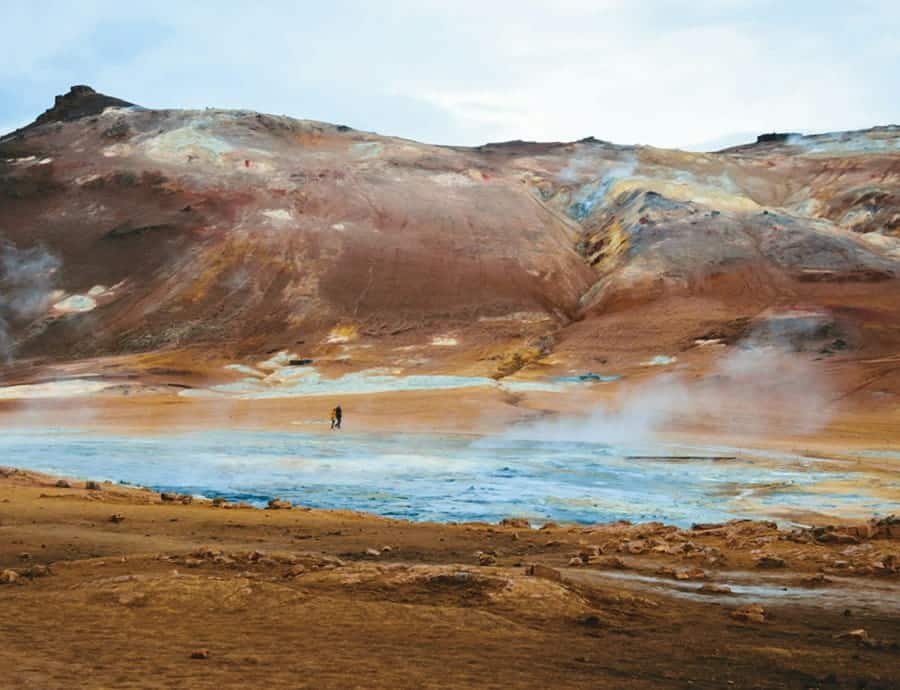
Mývatn, in northern Iceland, is a landscape that feels otherworldly, making it one of the famous natural wonders in Iceland. The region is dotted with bubbling mud pools, steaming fumaroles, and volcanic craters that look like they belong on Mars. “Mývatn” gets its name after the lake at the center, which is known to be rich in bird life – particularly the ducks which breed there because of the nutritious waters.
What makes Mývatn special is its variety. You can hike through lava formations at Dimmuborgir, explore pseudocraters formed by steam explosions, or soak in the Mývatn Nature Baths, a quieter alternative to the Blue Lagoon. The space is not as busy as the Golden Circle and therefore makes it feel more personal.
Local folklore adds charm: Dimmuborgir is said to be the home of trolls, and Icelandic Christmas traditions even tie the mischievous Yule Lads to this region. Whether you are a geologist, a birder, or simply a curious traveler, Mývatn offers a mosaic of experiences that showcase Iceland’s volcanic soul.
Iceland’s natural wonders are not just places to visit, but they are places you will not forget easily after you go. Each waterfall, glacier, and geothermal field tells a story. For travelers, these natural wonders are more than attractions. They are invitations to reflect on our relationship with the planet, on the myths we create to explain its mysteries.
There are a few natural wonders that are disappearing because of our neglect, and it is our responsibility to protect them. Iceland does not only present you with beauty, it makes you look at the world in a new way. So, whether you are planning your first trip or revisiting in memory, remember: the natural wonders of Iceland are not just sights. They are voices, each telling a story of fire, ice, and the enduring power of nature.