Last Updated on 26th November 2025 by admin
Africa is a continent that attracts attention due to its diverse nature, rich culture, and full of wildlife. Many people have questions as to if snowfall ever falls on this wonderful land which is usually associated with warm weather, expansive savannahs, and sun-drenched beaches. The answer to the question “Does it snow in Africa?” is explored in this article, as well as there are many wonderful instances of how this continent can have its own winter wonderland.
Does It Snow in Africa?
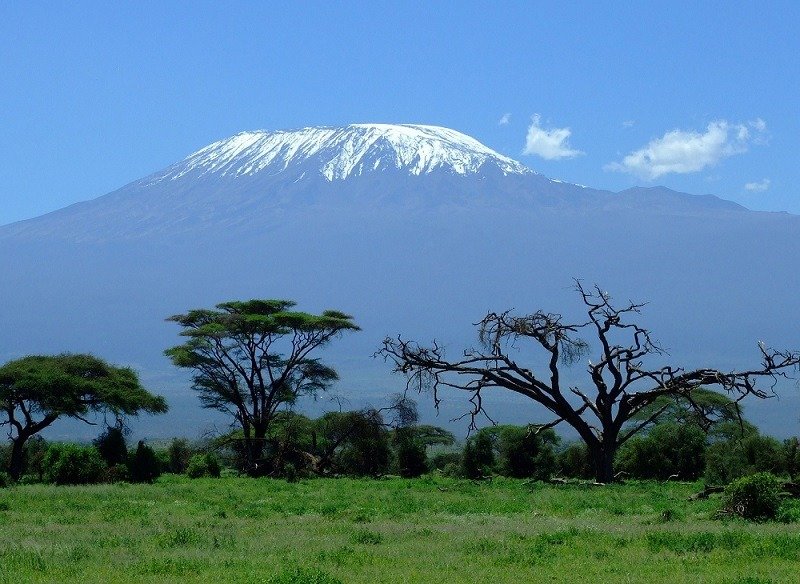
Definitely, yes is the answer to the question “Does It Snow in Africa?” However, contrary to what is widely believed, snow does fall in several regions of Africa, and it forms magical and breathtaking landscape that was a stark contrast to the usual temperature of the continent. Due to the immense size and the diverse climate of Africa, the climatic variation is quite large; thus, weather varies over the year.
Weather Patterns in Africa
Before delving into the specific regions, it’s important to understand the diverse weather patterns across Africa. The continent experiences a wide range of climates, including tropical, desert, and Mediterranean climates.
Weather Before we get down to the specific regions, it is important to understand the various weather patterns that exist throughout Africa. There are diverse climates in the continent such as tropical, desert, and Mediterranean climates.
Tropical Climate
Africa has the majority in the tropics, where it is usually hot and humid. These areas experience a warm climate throughout the year and snow is extremely rare.
One of the features that make the tropical environment of Africa stand out is equatorial rainforest. These are biodiverse forests that are thick and near the equator, where all the year temperatures and rains are recorded to be high. The second largest rainforest in the world is located in the Congo Basin in Central Africa and it is called the Congo Rainforest.
Dry and Desert Climate
A good part of Africa is comprised of deserts, including Sahara Desert and the Kalahari Desert. These dry areas experience very low precipitation levels as well as high temperatures and therefore there is hardly any snowfall.
Sahara desert is located all over the northern part of Africa with its area being at 3.6 million square miles. It covers a number of countries such as Morocco, Algeria, Tunisia, Libya, Egypt, Mauritania, Mali, Niger, Chad, and Sudan.
Mediterranean Climate
The coastal areas of Africa, especially the northern and the southern parts are Mediterranean in the climate. These regions have mild and wet winters and warm dry summers. The number of snowfall is more likely in these regions as opposed to the tropical or desert climate present in other parts of the continent.
Temperatures are relatively pleasant that in this season it rarely drops below freezing. The Mediterranean Sea serves as a reservoir of heat and this moderates the temperatures and makes the environment comfortable. The winter season is the rainy season, and it brings a lot of precipitation to the area.
Snow-Capped Mountains in Africa
Imagining Africa, one may imagine vast savannas, thick jungles or dry deserts. But there are also stunning snow-capped mountains in Africa that seem a magnificent contrast to the more common scenery. We are going to look at some of the prominent snow-capped mountains in Africa and demonstrate their beauty and charm.
The Rwenzori Mountains:
The Rwenzori Mountains which are also known as the Mountains of the Moon are an amazing scene to view and they are hidden in the middle of the East African. These are the great mountains that cut across the borders of Uganda and the Democratic Republic of the Congo, the snow-white peaks of which rise high above the tropical landscape.
Margherita Peak
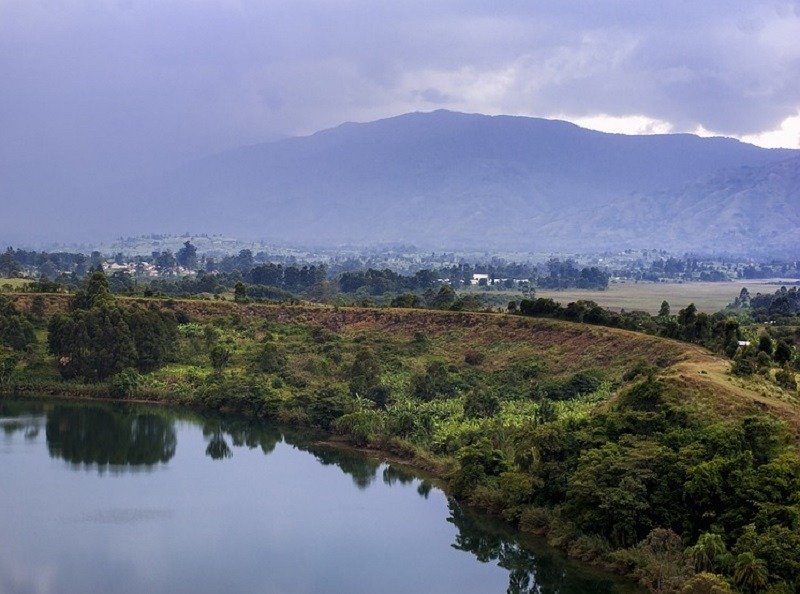
The highest point of the range is on the Rwenzori Mountains of East Africa at the Margherita Peak with a gorgeous elevation of 5,109 metres (16,763 feet) above the sea level. This is a well known peak that can be very challenging yet also interesting to climb attracting mountaineers worldwide.
East Africa Margherita Peak is the highest point of the Rwenzori Mountains that is a unique and captivating site with spectacular beauty and unique features. Although it is near the equator, it has one significant characteristic Margherita Peak, which has snow in Africa.
Margherita Peak is a very cold place with tropical environment due to its high height. Due to such freezing circumstances, there could be accumulation of snow which would decorate the beautiful summit. The snow-capped Margherita Peak on a backdrop of African landscape is very breathtaking.
The snowfall of Margherita Peak is a unique opportunity to those mountaineers and explorers who want to enjoy the wonder of snow in a unique environment. The climb of Margherita Peak involves challenging terrain and unpredictable weather, and proper training and climbing expertise. The payoff, however, is of an incomparable value: the chance to absorb the beauty of snow-covered mountains in Africa.
Unique Alpine Vegetation
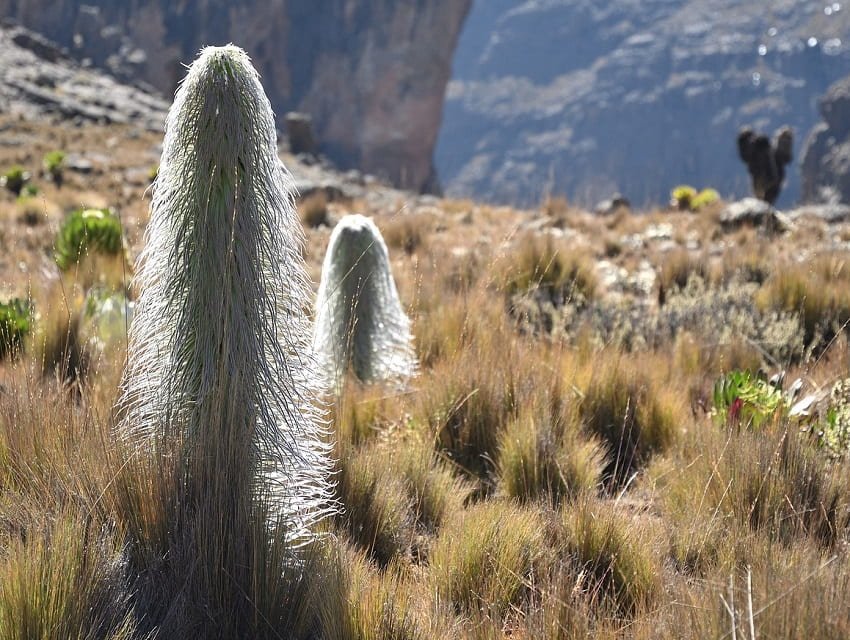
One of the special features of the Rwenzori Mountains is the presence of unique vegetation of the alps. The elevation and the effect of the snow lead to the development of the strange species of flora, like giant lobelias and groundsels that bring the mystic air to the mountainous terrain.
This amazing mountain vegetation is cultivated in the Afro-Alpine region that can be located at the height of more than 3,500 metres (11,500 feet). This area is home to a great number of plant species which have adapted to the harsh environment of the Rwenzori Mountain. The giant lobelias and the groundsels are two of these incredible plants which protrude.
Besides its unique alpine plants, the Rwenzori Mountains of East Africa are also associated with the snow which covers this strange habitat. The unique flora and the snow in the Afro Alpine area make it a unique environment of unparalleled beauty and contrasts.
The view of the snow-capped peaks and valleys with numerous alpine plants in high-altitude attracts the mountaineers in the Rwenzori Mountains, where the Afro-Alpine zone starts. The snowy landscape is a draw to already interesting vegetation that survives in such harsh conditions.
Mount Kilimanjaro
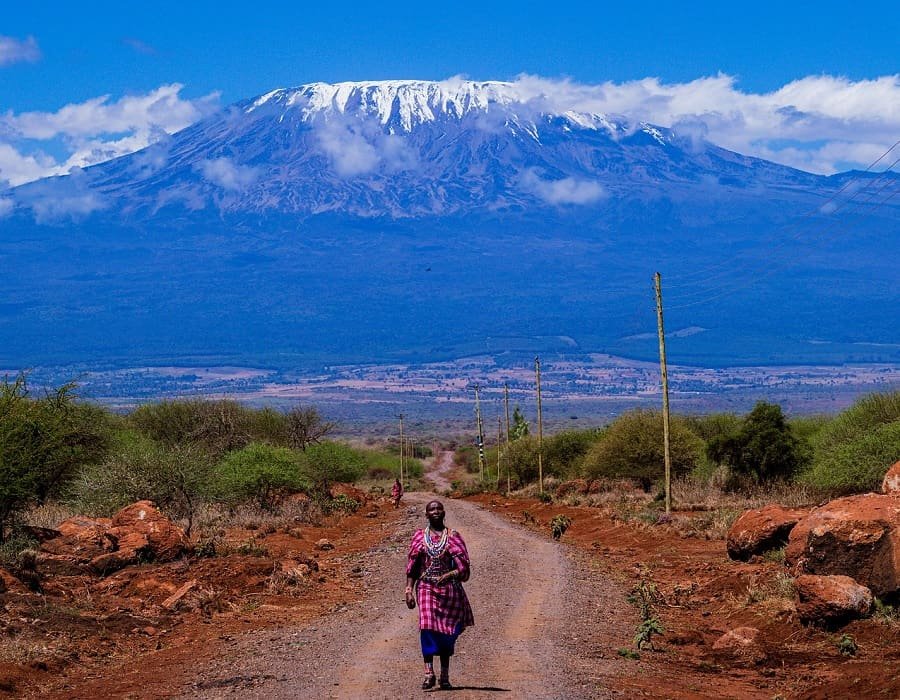
Mount Kilimanjaro, a snow cap mountain in Tanzania which is above the East African plains is arguably the most recognisable and famous mountain in the continent of Africa. It rises tall as a symbol of both human endeavor and the power of nature because Mount Kilimanjaro is the tallest mountain in Africa. Kilimanjaro, the mountain with a height of 5,895 metres (19,341 feet), attracts the adventure-seeking people and nature enthusiasts around the world.
The mountain on this spectacular peak is snow-covered, and this makes it spectacular to look at. Kilimanjaro has several glaciers and snowfields which add to its highest peaks although it lies near the equator. Tourists are amazed by the breathtaking sight of the contrast between the surrounding African landscape and the shining white snow.
Climbing Kilimanjaro
Climbing the Mount Kilimanjaro is not an easy experience but is rewarding. The climbers go through numerous ecological regions in the process of their journey and each of them is characterized by unique flora and wildlife. The climb of Mount Kilimanjaro is an exclusive journey, which goes through green jungles full of life and alpine deserts full of botanical plants.
The mountain has numerous routes that have different levels of difficulty thus providing climbers with various options irrespective of their level of experience. The other common routes are the Marangu, Machame and Lemosho routes that have differing perspectives and challenges on the trails.
The Snow-Capped Summit
The Uhuru Peak, the highest point on Kilimanjaro, is a very difficult point to reach. Climbers have to experience numerous climates until they come out of the clouds and have a view of the snow-capped summit of the mountain. The sparkling glaciers contrasted with the African plains are quite mesmerising to view.
The snow and ice of Mount Kilimanjaro hold great significance in the neighborhood setting. The glaciers and snowfields support rivers and streams which are a significant source of water to the local fauna and flora. It supports a wide range of plant life, including hardy alpine plants and pops of color brought by delicate wildflowers to the landscape.
Sutherland in South Africa
Sutherland is a small town situated in the Karoo region of South Africa in the vast plains, which is home to astronomy observatories, and unexpected snowfall. Sutherland is located at a height of approximately 1,450 meters (4,750 feet) and it has cold winters which at times bring snow to the region. The most appropriate time to see the snow in Sutherland is between June to August, the winter season in the Southern Hemisphere. Tourists will have the unique opportunity to see the snow-covered scene on the astronomic sites of the town.
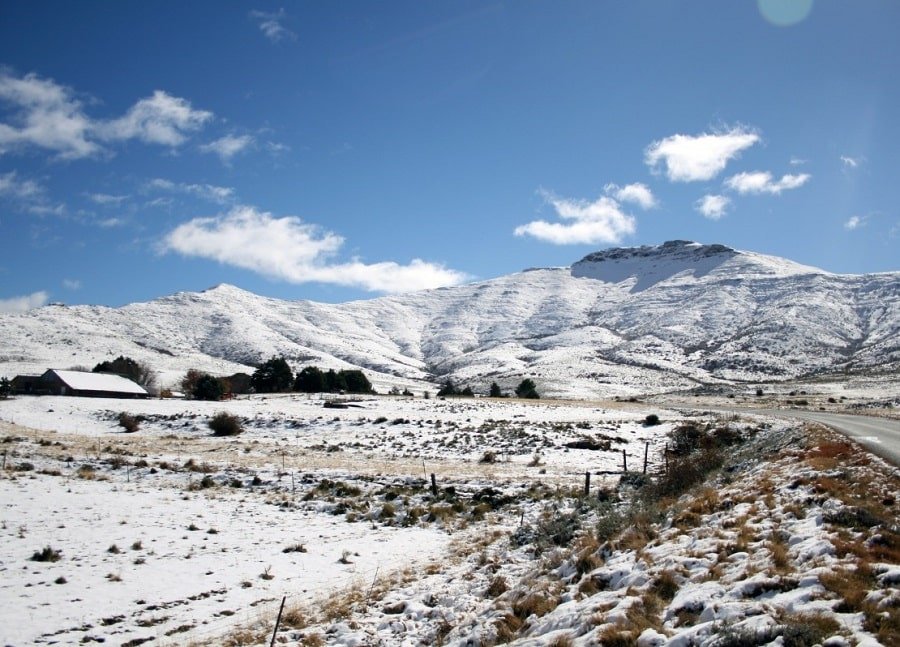
The Winter Wonderland of Snowfall
When Sutherland is blanketed in snow, it transforms the town into a winter fairy tale with the landscapes being painted in white. The mixture of ancient buildings in the Cape Dutch style, the snow-covered streets, and the mountains that surround the place give the picture that one would see in a fairytale. The allurement of Sutherland is compounded throughout the period, with the sudden snowfall to give a touch of the ethereal to the already intoxicating atmosphere.
Winter Activities in Sutherland
The winter of Sutherland provides the visitors with a variety of exciting winter activities. It does not matter whether you are a snow enthusiast or just want to have a unique experience, there is something you will enjoy. The following are some of the popular activities in the snowy season:
- Snowball fights and snowman building: Embrace your inner child and engage in friendly snowball fights or build whimsical snowmen in the town’s parks or open spaces.
- Sledging and tobogganing: Grab a sled or a toboggan and slide down the snow-covered slopes for an exhilarating adventure.
- Winter hiking and photography: Explore the picturesque landscapes on foot and capture breathtaking photographs of the snow-covered town and surrounding nature.
- Indoor stargazing: Sutherland is renowned for its exceptional stargazing opportunities. After a day of snowy adventures, cozy up indoors and marvel at the celestial wonders visible in the clear winter skies.
The Atlas Mountains
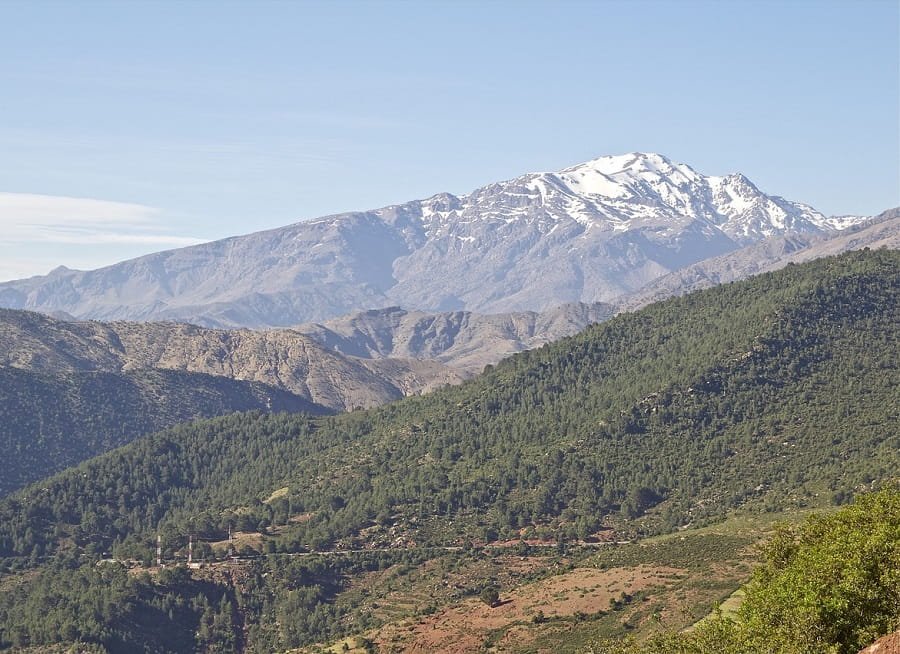
The Atlas Mountains, which covers the entire Morocco, Algeria and Tunisia, is a spectacular natural feature that is fascinating as it presents its natural beauty as well as rich cultural background. The snow-covered mountain range, which is often snow-white in the winter, offers a beautiful escape of the crowded towns and a glimpse in the harsh splendor of Northern Africa.
The geological forces of the earth are the products of the High Atlas, Middle Atlas and Anti-Atlas ranges of the Atlas mountains. They provide diverse and spectacular landscape that has high mountains, broad valleys and steep precipices. During the winter, the snow is in full bloom on the highest summits making it a winter wonderland.
Some of the melted snow flows into the nearby rivers and streams and feeds the vegetation and sustains a diverse array of plant and animal species. The existence of snow creates a fine equilibrium between the life-sustaining water draining the mountains and the dry regions of North Africa.
Toubkal, the Highest Peak
The Toubkal, the tallest mountain in North Africa, is the dream of any true mountaineer and a natural treasure, buried in the great Atlas Mountains. The snow-capped summit and the magnificent vistas are what draw adventurers all over the world to Toubkal as it is a journey that is thrilling.
The snow-covered summit of Toubkal also stands at a spectacular altitude of 4,167 metres (13,671 feet) which is a beacon of adventure and achievement. This giant mountain belongs to the High Atlas mountain range in Morocco and provides challenging yet exquisite hiking experience to the climbers aiming to reach its magnificent heights.
With its snow-capped peaks, wild drives, and the spirit of adventure, Toubkal invites the adventurous spirit of those who want to have an experience of a lifetime. It is the nature of discovery and it challenges the adventurous individuals to feel the rush to climb the tallest peak in North Africa. The top of Toubkal is an embodiment of human strength and the power of nature that cannot be overcome, and it makes a significant impression on any person who dared to reach this point.
Winter Sports in the Atlas
Atlas Mountains provide a challenging and fascinating outdoor game zone to those who enjoy winter sports. This is a fantastic mountain range that is situated in the center of North Africa, transforming into a winter paradise every year, attracting tourists to the excitement of down skating on snow-covered slopes and taking part in a wide range of other winter occupations.
Skiing and Snowboarding:
The Atlas Mountains have a lot of ski resorts which cater to novice and experienced winter sports enthusiasts. This is a series of well groomed slopes, contemporary facilities and breathtaking mountain views that are offered by these resorts that border Oukameden to Michlifen. In the Atlas Mountains, skiing and snowboarding is an experience that one cannot do without going through smooth slopes or challenging themselves on steep descents.
Snowshoeing and cross-country skiing are the best choice of any person who wants to have a more relaxing and immersive wintertime. The unspoiled beauty of the Atlas Mountains can be enjoyed closely through walking along the frozen paths that run through the valleys of the mountains. These activities are slower and enable you to connect with nature and enjoy the quiet of the winter climate because you are taking part in the activities.
Sledging and Tubing:
Winter fun is not limited to skiers and snowboarders. Sledding and tubing offer the visitor an exciting alternative that is fun to every age bracket. Riding down snow-packed hills on a sled or inner tube ensures fun and merriment, and makes priceless memories to both families and friends.
Mountaineering and Ice Climbing:
To the adventurous, the Atlas Mountains provide mountaineering and ice climbing. Climbing ice-covered cliffs and waterfalls adds special difficulty and opportunity to challenge and exercise yourself. With the help of trained guides, you will be able to visit the ice-cold world and feel the euphoria of successfully overcoming frozen peaks.
Winter Landscape Photography:
The Atlas Mountains are heavily snow covered and this gives the snow-covered landscape a majestic view to the photography enthusiasts. With the undefiled loneliness of the snow-topped mountains, with the curious structure of the ice, with the light and shade effects in winter, there is a mine of artistic possibilities. The Atlas mountains offer magnificent scenes of winter photography during sunrise to sunset.
Safety should be a key factor to be considered on the winter sporting activities in the Atlas Mountains. Wear the proper cold weather clothes, listen to the directions of the skilled instructors and be conscious of your strengths and weaknesses. By following the safety measures, it will result in a winter sporting experience to be remembered as one without any incidents.
Another aspect that exhibits the natural wonders in Africa can be seen in the snow covered mountains of the continent. These magnificent mountain range summits present a fascinating contrast to the more familiar landscapes of Africa in the Rwenzori Mountains with their unique alpine vegetation to the giant heights in the snow-covered summit of Kilimanjaro, and the magic of landscapes in the Atlas Mountains. A visit to these mountains enables the adventurers to see the intersection of the different climates and feel the excitement of being at the icy top of the mountain in Africa.
Best Time to Experience Snowfall in Africa:
While snowfall in Africa is a rare phenomenon, there can be certain times and places when it is possible to get much more chances to observe the magic. In case you are willing to witness the magic of snow-white sceneries in Africa, here are some of the best times to plan your visit:
- Winter Months: June, July, and August have the most chances of snowfall in some of the African locations. Due to low temperatures in this season, mountainous regions of such countries as Morocco, Algeria, Lesotho, South Africa and others can receive a layer of snow and this changes the scenery to fantastic winter wonders.
- High Elevations: To maximize your chances of encountering snowfall, make sure to go to places with greater heights. The mountain ranges like the Atlas Mountain, the Drakensberg Mountains, the Rwenzori Mountains and even the mountain peaks of Table Mountain give great areas where snow can accumulate. These great mountains provide breathtaking panoramas and exciting winter.
- Mediterranean Climates: Areas that have Mediterranean climates like the coastal parts of Morocco and Algeria can have snowfall in lower temperatures. Although it is not as widespread as in the mountainous areas, the mixture of a higher altitude and lower temperature may sometimes lead to the snowfall in the coastal areas.
In conclusion, although Africa has a reputation of warm weather and variety in scenery, the continent also has snow-white marvels which are awe-inspiring to the visitors. The snows fall on unexpectedly including Ifrane and South Africa as well as mighty heights of the mounts of Kilimanjaro and the Atlas mountains and the list of things that Africa has to offer in winter is as varied as the many cultures that make the continent their home. Discover the magic of the snow in Africa and face a journey that was to be remembered all your life.