Last Updated on 26th November 2025 by admin
Are you ready to read interesting and amazing facts of the world, that will blow your mind? Then you have come to the right place, as here, you will test knowledge with top 20 strange and amazing facts of the world that will surely tickle your brain. So strap yourself in and get ready to be explore as we delve into some of the most incredible and unbelievable facts about our world:
1. Russia is Bigger than Pluto
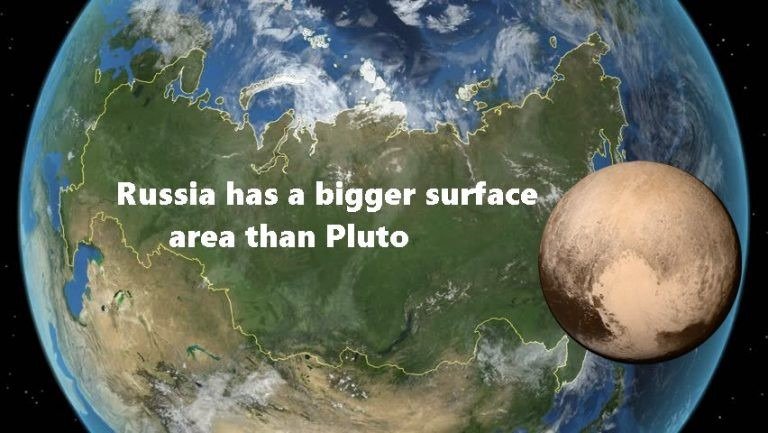
This is very interesting and one of the amazing facts of the world: Do you believe that the biggest country Russia is a larger surface area than Pluto? Sound strange, but its true! Russia covers an area of about 17.1 million square kilometers, and compare to Pluto, which is approximately 16.6 million square kilometers.
2. Illiteracy: A Global Challenge
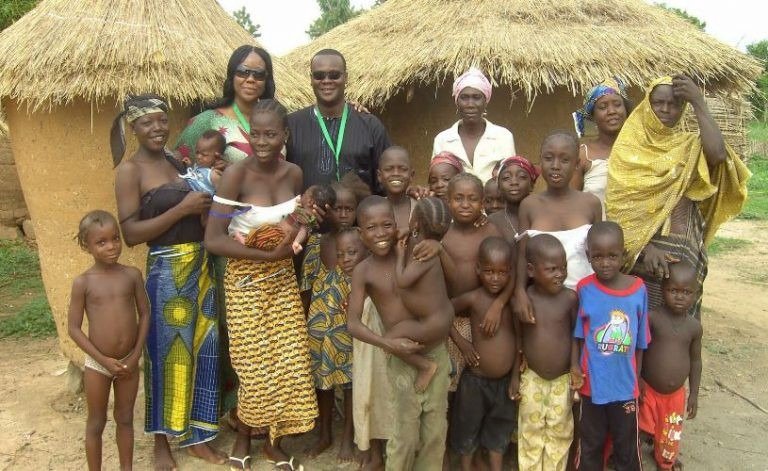
As of recent data from different sources like UNESCO and the World Bank, approximately 12% of the adult global population still struggle with illiteracy. Even with advances in education, millions are illiterate and have no experience reading or writing, which hinder their own development, as well as social and economic development. Illiteracy must be eradicated if we are to provide equitable access to education and engage people with confidence around the world.
3. Chicken Eyesight: Better Than Human

Your ability to see colors will not be as great as a chicken. You also will never see all the beautiful colors of a rainbow! Chickens are tetrachromatic (able to see four different colors) and therefore can see more colors than you can. Humans are trichromatic (three colors – red, green, and blue), but chickens can see an extra color: ultraviolet light. Chickens’ ability to see colors and patterns is beyond the human eye.
4. The Many Faces of Humanity
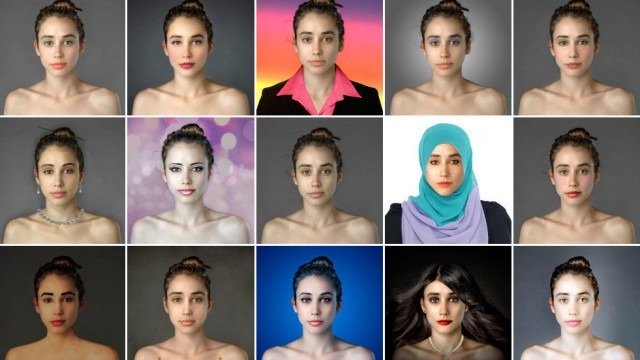
If you consider yourself to be “one in a million”, statistically there would still be approximately another 8,200 people out there just like you, based upon population data from the 2025 years. Did you know this fascinating fact about our world? This fact shows how incredibly vast and diverse the population of humans are, emphasizing the fact that everyone is unique, but is still collectively one of many in the broader sense.
5. Land Mapping: Earth’s Surface Diversity
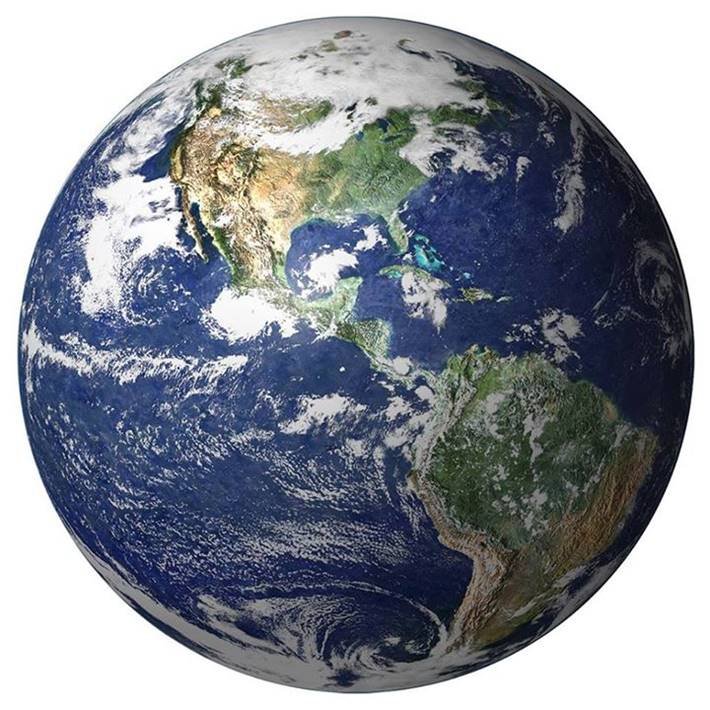
The total land surface of the Earth is around 57,392,928 square miles, which is approximately 29.1% of the entire surface of Earth. This measurement illustrates how much of the surface consists of land and the major role that land areas play in the composition of the Earth.
6. Time Zones Around the World
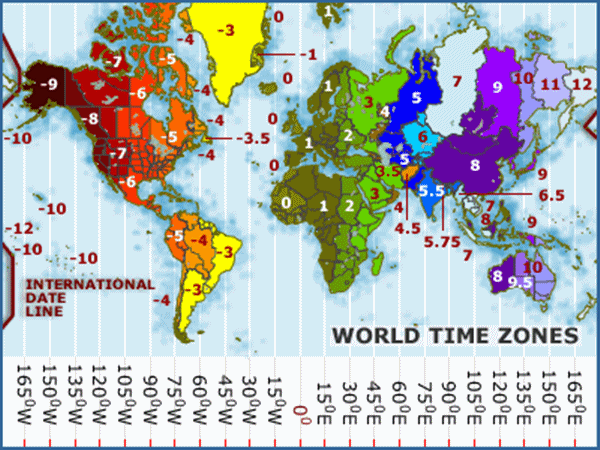
There are 24 time zones in the world, differentiated by the concept of local time. These longitudinally divided time zones enable people to coordinate and keep in sync with each other regardless of whether they are experiencing daylight or darkness. The concept of time zones helps further the cause of standardized timekeeping, whether it be organizing international meetings or comprehending the global schedules of air travel.
7. China’s 1557 Deadliest Earthquake
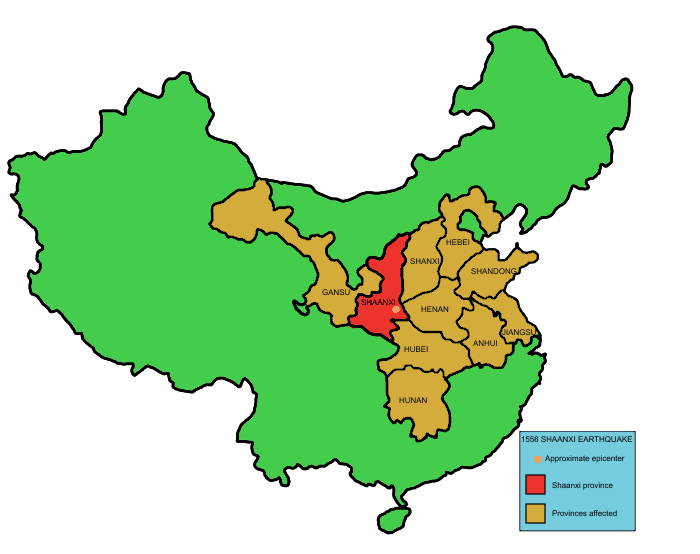
A massive earthquake struck China’s Shanxi Province on January 23, 1556, killing around 830,000 people, which remains the deadliest earthquake in the world history according to death rate. This tragic incident reminds us how important it is to be prepared for natural disasters and to improve disaster management in earthquake-prone areas.
8. Mariana Trench
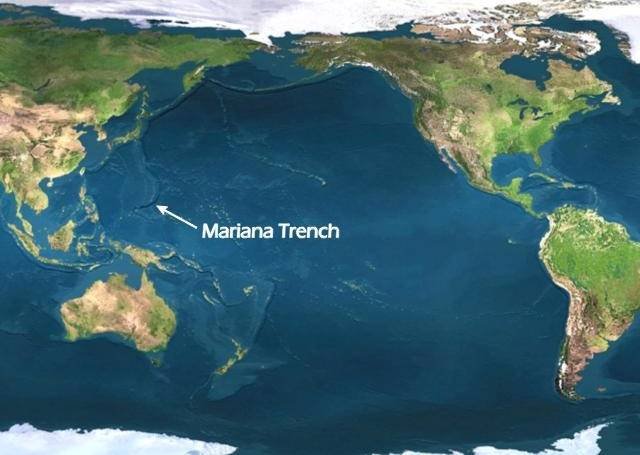
The Mariana Trench is the deepest point in the ocean on Earth, having a depth of about 6.9 miles or 35,813 feet (10,916 meters). This is truly within the western part of the Pacific Ocean. It shows how great the depths of Earth’s oceans really are. Its discovery and exploration have awakened the interest of scientists and explorers alike, who study the mysterious and almost unknown lands beneath the waves.
9. The Persian Gulf
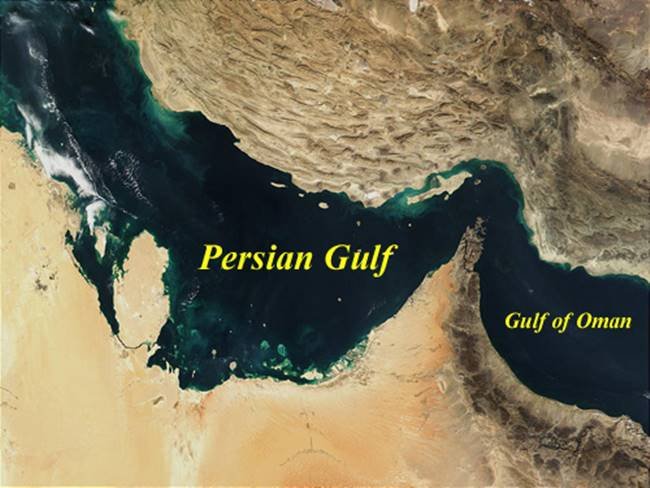
Persian Gulf is known to be the warmest sea in the world as temperatures are always high all year round. The water temperature in the Persian Gulf is normally about 24C (75F) during the winter season and about 35C (95F) during summer seasons hence it is among the warmest water bodies in the world. This is due to its warm nature which is exceptional because of its strategic location and low depth thus the temperature of the surface is usually higher than that of other seas.
10. Angel Falls in Venezuela
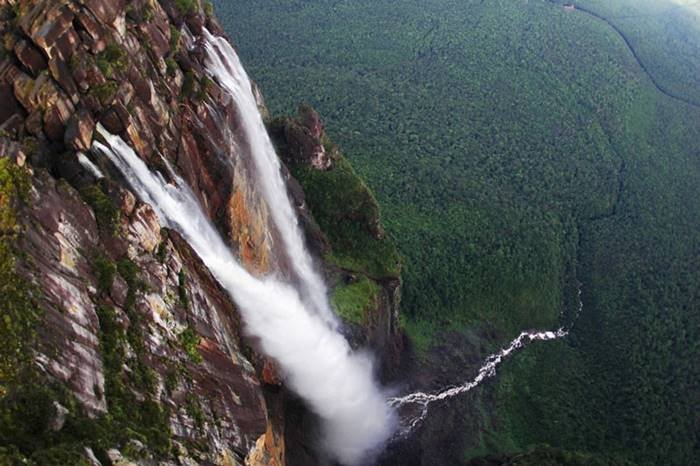
Angel falls in Venezuela are blessed with the most decorative title of highest waterfall in the world. It falls in the most breathtaking way of 3,212 feet (979 meters) and the grandeur of the magnificent sight amazes visitors. The natural wonder is named after the first traveler who flew over the falls in 1933, an American aviator called Jimmie Angel, and it has continued to awe and inspire tourists worldwide, and it is still attracting adventure seekers, and nature lovers who feel the need to see this marvelous sight with their own eyes.
11. Caloric Burn: Sleep vs. TV Watching

When you sleep, you end up burning a lot of calories as compared to watching television. Amazing but true: you use more calories when you sleep than when you are watching television. Although both actions are rather sedentary, the body still needs energy because of its basic processes when sleeping, including breathing and body temperature maintenance. TV watching, on the other hand, has little or no physical activity and involves little or no calorie burning.
12. Oldest Chewing Gum in the World
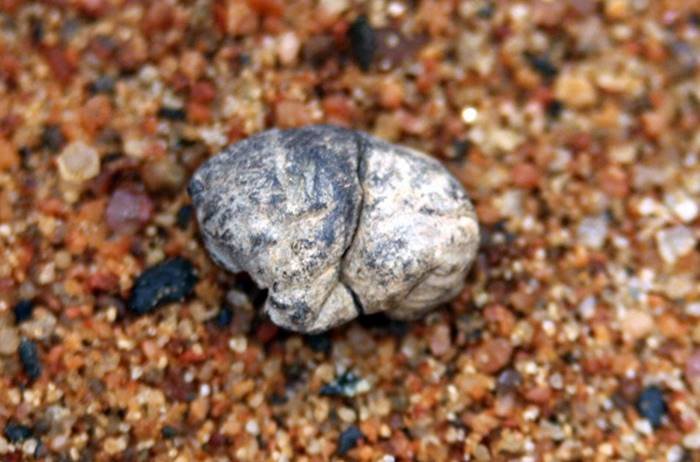
The oldest known chewing gum in the world was discovered in Sweden, and it is over 9,000 years older than recorded history. This prehistoric gum, which is created of birch bark tar, was discovered by archaeologists who gained an idea of early human and prehistoric chewing, as well as the utilization of natural resources in the prehistoric times. The discovery can provide an interesting insight into the cultural and dietary habits of the ancient societies, giving us a good glimpse of what our far past was like.
13. 10% Lefties: A Global Statistic

Roughly 10% of the global population identifies as left-handed, a trait that makes them stand out among the rest who are almost right-handers. Although less prevalent, left-handedness has existed over the centuries, and left-handed people have contributed to different fields in their own distinctive ways, to art and music, to science and sports, and one can witness the variety of human capabilities and talents.
14. Stars are More than the Beach Sands
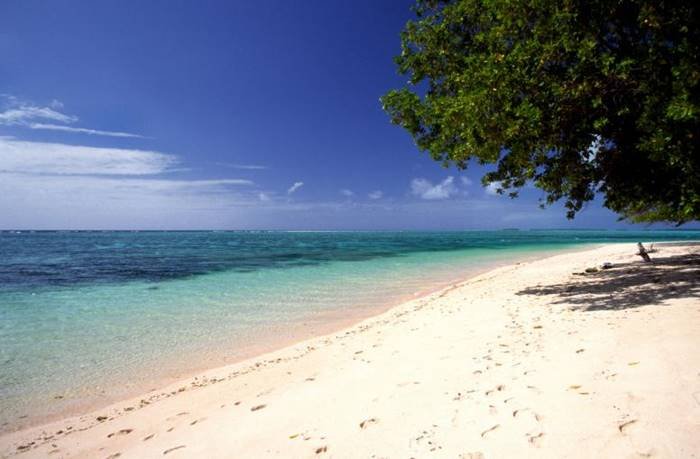
There are more stars in space than there are grains of sand on every beach in the world. The comparison shows how immense the universe is and that the number of stars is immeasurable due to the fact that the number of tiny stars is insignificant compared to the number of stars that encompass a shore. It reminds us of how enormous the space is, and we cannot possibly imagine it, and how many miracles are out there on the other side of our planet. This is among the most intriguing facts that kids or students would be keen to know.
15. The Shortest Place Name
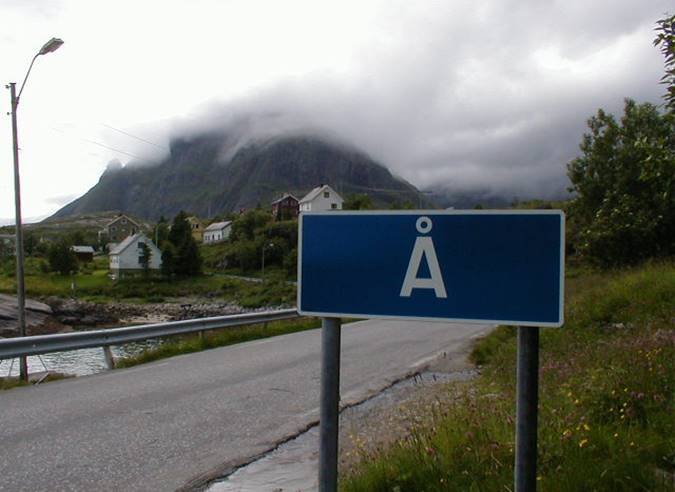
The shortest place name in the world is simply ‘A’, and it exists in both Sweden and Norway. This is also one of the most marvelous facts of the world. This one-letter name is a geographical peculiarity in itself, and it is intriguing to both tourists and connoisseurs. Although it is a short word, A is nevertheless an interesting landmark representing the fascinating variety of names of places that exists in the world.
16. 17 Active Volcanoes in Japan
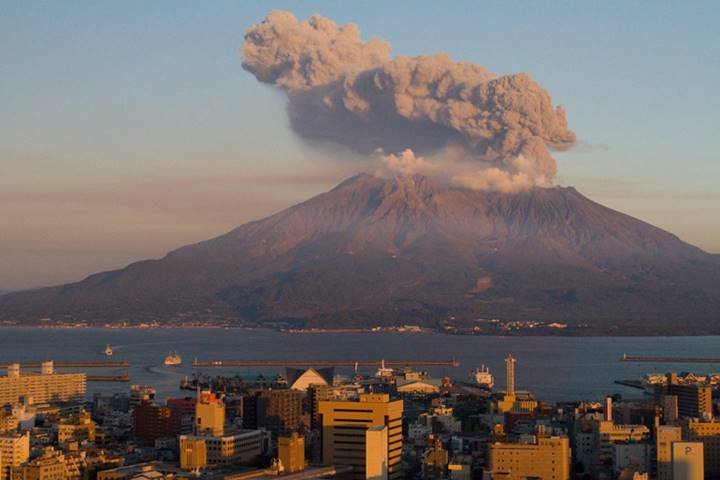
Japan is considered one of the most volcanic regions in the world with 17 active volcanoes distributed all over its islands. Although these volcanic mountains are beautiful, they are very risky to the inhabitants and infrastructure in the area because of the fact that they may erupt. The geological activity of Japan acts as a reminder of the active geology of the country and encourages the people to be cautious in curbing the volcanic threat.
17. There are No Rivers in Saudi Arabia
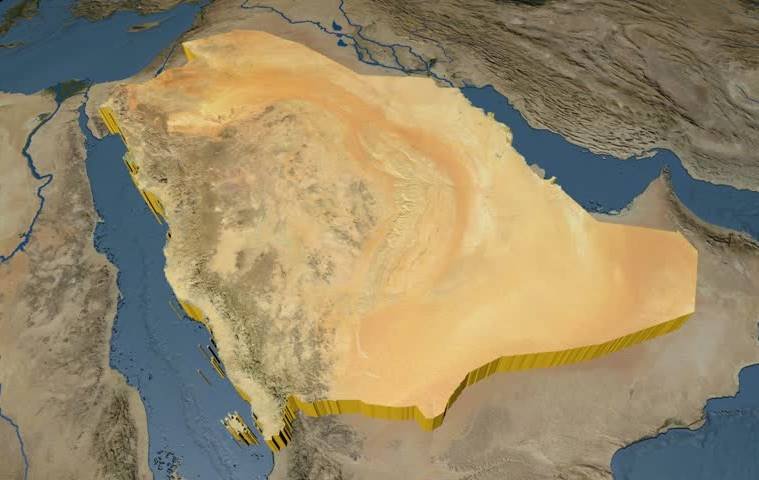
Although the Saudi Arabian landscape is breathtaking, and the country boasts a variety of flora and fauna, the fact remains that there are no permanent rivers in the country. It is so because it has a dry weather and is situated in the Arabian Peninsula, which is characterized by the existence of large deserts. Saudi Arabia is dependent on wadis, as opposed to rivers. These are dry riverbeds or valleys which only become filled in the case of heavy rainfall once in a while.
18. UFO Acknowledgment by France, Italy, and Chile

France and Chile are one of the very few nations in the world to have recognized, accepted and conducted studies into UFOs with an official government agency. Italy has gathered and studied UFOs through its Air Force. These efforts illustrate a fascination around the world to understand unidentified aerial phenomena and potential implications.
19. We Lose About 50 to 100 Hairs a Day

It is common to lose 50 to 100 hairs every day, which is a normal hair growing process. This shedding is because old hairs are at the end of the life cycle and new hairs start to grow. Although the amount of hair loss in retaliation to certain factors such as age and health can differ on a daily basis, this is the range that is deemed normal among the majority of people.
20. Subway Air Contains Tiny Metal Particles

The air in underground metro and subway stations contains fine metallic dust because of the braking action of trains, wear and tear on wheels, and tracks. As trains travel between stops, fine, iron-rich particles become suspended in the air. Researchers have investigated this issue to enhance ventilation and improve passenger health.
Do you have any amazing facts of the world you’d like to share? Leave a comment below and let’s expand our knowledge together!