Last Updated on 31st December 2025 by admin
The Gulf of Venezuela is one of the most intriguing coastal landscapes in northern South America. Shared between Colombia and Venezuela, this beautiful gulf stretches along the Caribbean Sea and serves as an important link between the open ocean and the famous Lake Maracaibo.
Although not as widely known as many other world-famous gulfs, the Gulf of Venezuela is packed with natural beauty, cultural history, abundant wildlife, and unique geographic features. From mangrove forests and coral reefs to indigenous Wayúu communities and centuries-old maritime history, this region offers a surprising amount of depth for travelers, researchers, and geography lovers.
In this detailed guide, we’ll explore everything about the Gulf of Venezuela — including its location, map, wildlife, ecosystem, history, tourism highlights, and fascinating facts.|
Where Is the Gulf of Venezuela? (Location & Map)
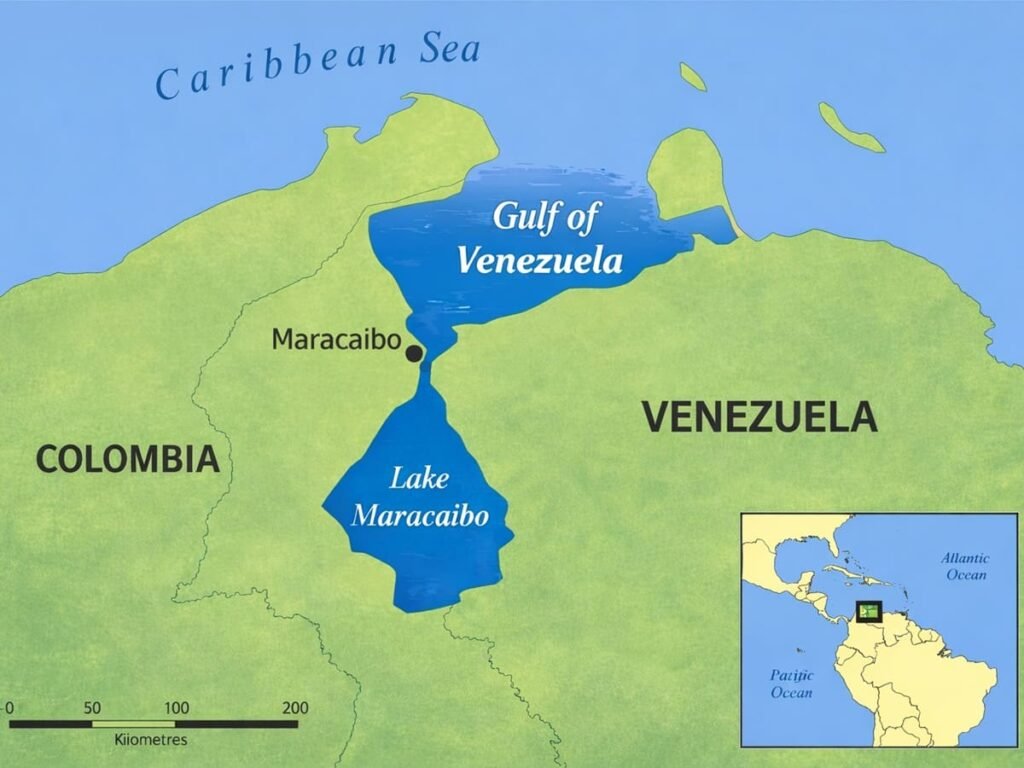
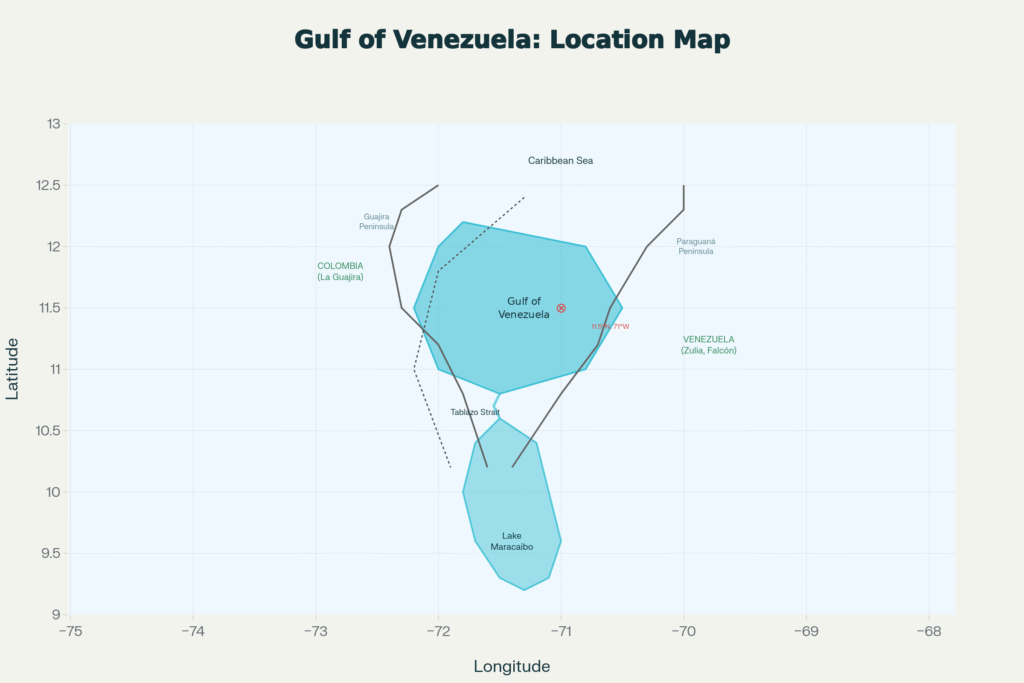
The Gulf of Venezuela lies on the northern coast of South America, bordered by:
- Venezuela to the east and southeast
- Colombia to the west
It connects directly to the Caribbean Sea on its northern side.
The gulf is also linked to Lake Maracaibo — the largest lake in South America — through the Tablazo Strait, a narrow water channel that plays a crucial ecological and economic role.
Key Geographic Facts
- Length: ~230 km
- Width: ~75 km
- Average Depth: ~60 meters
- Countries Sharing the Gulf: Venezuela & Colombia
- Water Type: Mix of seawater and freshwater (due to Lake Maracaibo)
This mixture creates a rare and biologically rich coastal environment found in very few places in the world.
Natural Wonders of the Gulf of Venezuela
1. A Unique Blend of Freshwater and Saltwater
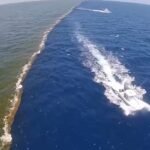
One of the most striking features of the Gulf of Venezuela is its combination of freshwater from Lake Maracaibo and saltwater from the Caribbean Sea. The two meet at the Tablazo Strait, creating a dynamic, ever-changing mix known as brackish water.
This mixture shapes the surrounding ecosystem, influencing everything from fish migration patterns to mangrove growth.
Why This Matters
- Encourages high biodiversity
- Attracts species adapted to both freshwater and saltwater
- Creates specialized habitats found only in a handful of places globally
This environmental blend is one of the main reasons the gulf is considered an ecological treasure.
2. Rich and Diverse Marine Life
The Gulf of Venezuela is home to an extraordinary variety of marine species. The warm Caribbean waters and nutrient-rich currents support:
Marine Species Found Here
- Over 200 species of fish
- Dolphins (including bottlenose and dusky dolphins)
- Whales (mostly seasonal visitors)
- Manatees
- Sea turtles like hawksbill and green turtles
- Colorful coral reef species
The nearby coral formations are especially rich in life, offering feeding grounds, breeding areas, and shelter for countless marine organisms.
3. Mangrove Forests — The Gulf’s Natural Protectors
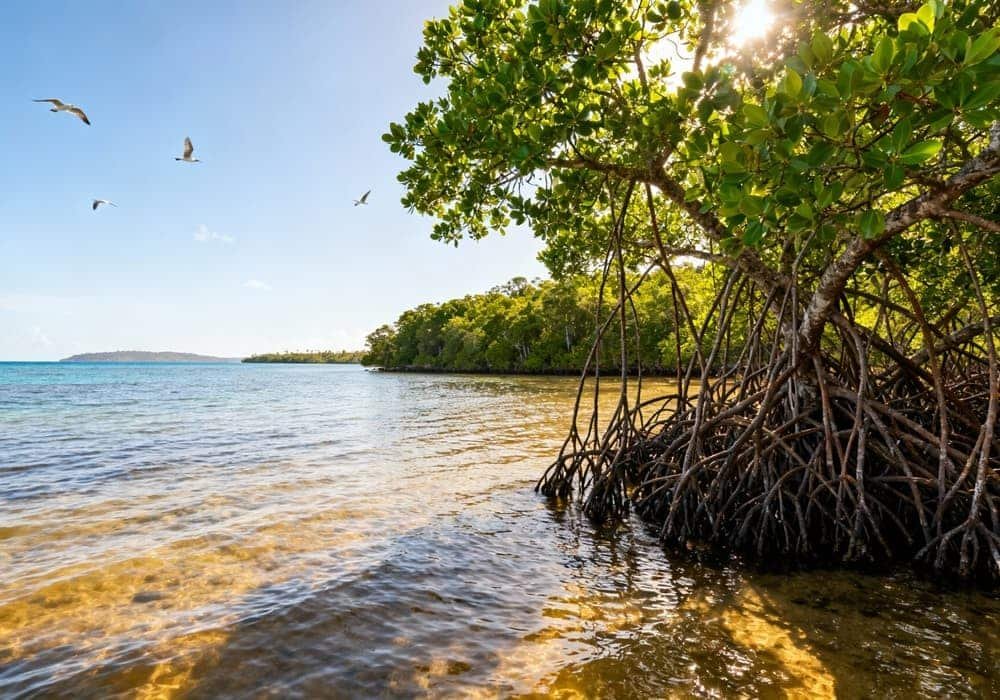
Mangroves dominate large portions of the coastline, forming one of the most essential environments of the region.
Importance of Mangroves
- Provide habitat for fish, birds, crustaceans, and reptiles
- Protect shorelines from storms and coastal erosion
- Serve as nurseries for juvenile marine species
- Improve water quality by filtering sediments
These thick, tangled forests are not just biodiverse — they are crucial for the survival of countless species in the gulf.
Historical Significance of the Gulf of Venezuela
1. Indigenous Communities
The Gulf of Venezuela has been inhabited by indigenous communities for thousands of years. The Wayúu people, for example, have lived in the region for over 2,000 years and still maintain their traditional way of life. These communities have a rich cultural heritage and have played an important role in the region’s history.
Cultural Highlights
- Known for their handwoven textiles, bags (mochilas), and hammocks
- Speak their own language, Wayuunaiki
- Practice a matrilineal social structure
- Maintain strong traditions linked to nature and ancestral belief systems
Their presence continues to influence the cultural landscape around the gulf.
2. Arrival of the Spanish & Colonization
The Gulf of Venezuela was first explored by Spanish explorers in the 16th century. The Spanish established a number of settlements in the region, including the city of Maracaibo, which became an important center of trade and commerce.
Why the Gulf Was Important to the Spanish
- Strategic access to the Caribbean Sea
- A central point for trade routes
- Natural resources
- A gateway to inland territories
Maracaibo soon became a hub of commerce, agriculture, and shipping activity.
3. Pirates, Privateers & Maritime Conflicts
The Gulf of Venezuela was a popular location for pirates and privateers in the 17th and 18th centuries. These pirates would attack Spanish ships and steal their cargo, making the gulf a dangerous place for travelers. The Spanish responded by building forts and fortifications along the coast to protect their ships.
Why Pirates Loved This Gulf
- Ships filled with valuable cargo from Maracaibo
- Hidden coves for hiding
- Easy escape routes into the Caribbean
Famous Dutch and English privateers roamed these waters, attacking Spanish ships and settlements.
In response, the Spanish built fortifications and coastal defenses to protect trade and navigation.
The gulf’s past is filled with stories of naval battles, smuggling, and colorful pirate legends that still excite historians today.
Tourism in the Gulf of Venezuela
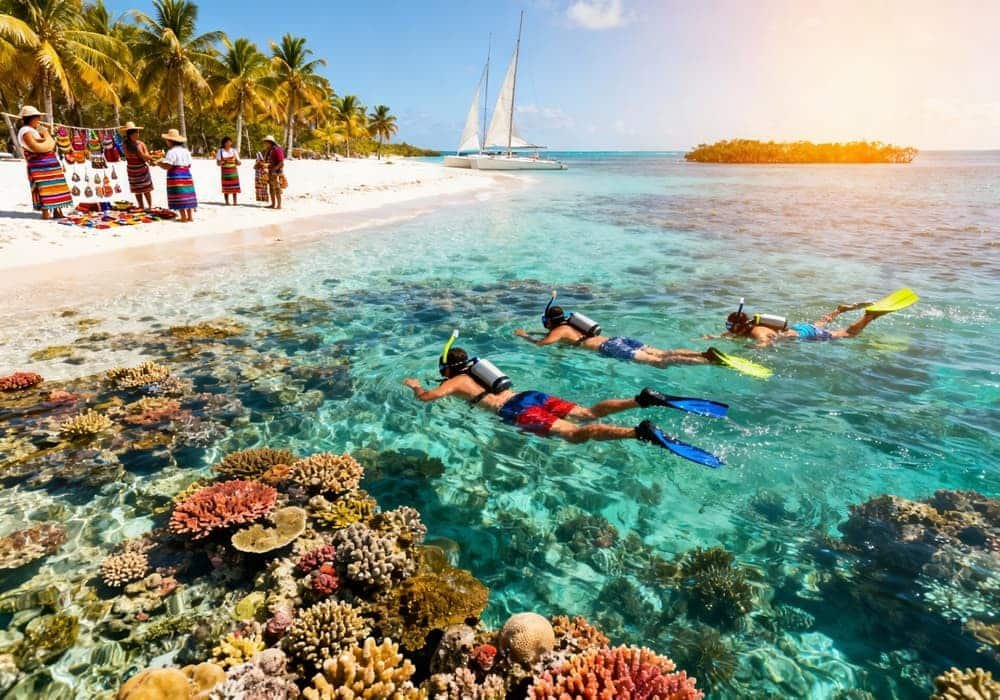
The Gulf of Venezuela has become an increasingly popular destination for tourists in recent years. Visitors come to the region to explore the unique ecosystem, enjoy the beaches, and discover the cultural heritage of the indigenous communities. Some popular tourist attractions in the Gulf of Venezuela include:
1. Los Roques Archipelago
The Los Roques Archipelago is a group of islands and coral reefs located in the Caribbean Sea, off the coast of Venezuela. The archipelago is a popular destination for snorkeling and scuba diving, as the coral reefs are home to a diverse range of marine life, including colorful fish, sea turtles, and rays.
Why Travelers Love It
- Crystal-clear blue waters
- World-class snorkeling and scuba diving
- Beautiful coral reefs
- White sandy beaches
Although it is not inside the gulf itself, many travelers visiting coastal Venezuela combine Gulf of Venezuela trips with Los Roques excursions.
2. Paraguaná Peninsula
The Paraguaná Peninsula is a popular destination for beach lovers, with its long stretches of white sand beaches and crystal-clear waters. Visitors can also explore the historic town of Pueblo Nuevo, which was founded in the 16th century.
The Paraguaná Peninsula is known for its:
- Long stretches of remote beaches
- Clear Caribbean waters
- Small fishing towns
- Historic colonial-era settlements
One of the oldest towns in the region, Pueblo Nuevo, was established in the 16th century and still holds architectural charm from the early colonial period.
3. Exploring Wayúu Indigenous Culture
Visitors to the Gulf of Venezuela can also explore the cultural heritage of the indigenous Wayúu communities. The Wayúu maintain their traditional way of life and are known for their colorful textiles and handicrafts. Tourists can visit their villages, learn about their customs and traditions, and purchase handmade souvenirs.
Activities Include
- Learning about Wayúu weaving and crafts
- Buying handmade mochilas and textiles
- Exploring traditional homes and family structures
- Hearing folklore passed down for generations
Cultural tourism here is slow-paced and deeply authentic.
Ecological Challenges Facing the Gulf
The Gulf of Venezuela faces serious environmental pressures as most of the world’s coastal regions. As a result of these environmental pressures, the Gulf of Venezuela will experience long-term changes to its ecology and biodiversity and ultimately degrade the ecosystem. These challenges impact on marine resources and coastal communities, but they also create instability in the Gulf of Venezuela’s unique ecosystems.
- Pollution
The presence of oil spills, shipping and industrial effluents associated with the local ports and refineries may have a severe impact on the quality of the water and marine ecosystems. The contaminants accumulate in the sediments and food chains, negatively affecting fish, dolphins, turtles, and the coastal birds and affecting also local fishing communities that rely on clean waters. - Habitat Loss
Deforestation of mangroves, poor design of the coastal regions, and urban sprawl strain natural habitats. On clearing and degradation of mangroves, seagrass beds and coastal wetlands, a number of species lose their breeding grounds, nurseries and natural protection against storms and erosion. - Overfishing
There are indicators of decline in the population of some fish because of unreasonable and even illegal fishing. Elimination of some of the highest predators on the food webs or even some of the most vital species, can cause instability in the food webs and decreased catches of fish to be supplied to the local fishermen in the long run as well as reduce the resilience of the whole marine ecosystem. - Climate Change
The cause of this can be increasing sea levels, more intense storms, altered rainfall patterns, and warming waters that damage the delicate ecosystems, particularly mangroves, coral reefs, and wetlands. There are also threats of increased coastal flooding and erosion which endanger adjoining communities and indigenous communities that reside near the coast.
In spite of these threats, conservation by local communities, researchers and environmental organizations are aiding in the conservation of this vulnerable region. The establishment of education programs, secured regions, sustainable fishing, and mangrove restoration are the significant steps to protect the Gulf of Venezuela to the new generation.
Interesting Facts About the Gulf of Venezuela
Here are some fascinating things you may not know:
- The gulf sits in a region known for the Catatumbo lightning, one of the most intense lightning storms in the world (near Lake Maracaibo).
- It is one of the few places where freshwater mixes with seawater on such a large scale.
- The Wayúu people have lived here since long before the arrival of European explorers.
- Some historical maps from the 1600s label the gulf with older Spanish names.
- The gulf played a role in important naval battles during colonial times.
Conclusion
The Gulf of Venezuela is a remarkable combination between the beauty of nature, cultural diversity as well as historical importance. It is the freshwater mixed with the saltwater, the mangrove forests, dolphins, coral reefs, and centuries of old stories that make the region a fascinating destination to all.
Being a lover of geography, a lover of nature, or even a simple traveler, you should pay attention to the Gulf of Venezuela as one of the most fascinating coastal landscapes in South America. It is untouched and still mysterious, full of its rich biodiversity, indigenous traditions, and hidden beaches, which make it a true treasure.
FAQs
1. Where is the Gulf of Venezuela located?
It is on the northern coast of South America, shared by Colombia and Venezuela, connecting to the Caribbean Sea.
2. What makes the gulf unique?
Its rare blend of freshwater from Lake Maracaibo and saltwater from the sea creates exceptional ecosystems.
3. Is the Gulf of Venezuela safe to visit?
Visitors generally travel safely, but basic precautions like avoiding isolated areas at night are recommended.
4. What wildlife can be found in the gulf?
Dolphins, turtles, manatees, fish species, coral reef organisms, and countless birds.
5. Who lives around the gulf?
The indigenous Wayúu people have lived in the region for centuries and maintain strong cultural traditions.