Last Updated on 26th March 2026 by admin
Rome, often called the Eternal City, is famous for its rich history, stunning architecture, and breathtaking fountains. These iconic monuments have been attracting tourists over the centuries with their artistic beauty and the soothing sound of flowing water.
In this article, we explore the top 20 most famous fountains in Rome. These architectural marvels have stood the test of time, captivating hearts and minds with their sheer grandeur and artistic skills. Join us in discovering the fascinating tales that have been carved in stone and water, in mythological stories and architecture.
1. Fontana di Trevi (Trevi Fountain)

The “Trevi Fountain” is the most famous fountain in Rome. It is also iconic landmark of the city, and a remarkable landmark that summarizes the spirit of the ancient Rome with its deep cultural roots. The fountain was built in 1762 and was designed by Nicola Salvi being a fine example of Baroque design. It is intertwined with Roman mythology and with the aqueduct, which used to bring water to the ancient city.
The central figure of the fountain is Oceanus, the Roman god of water, surrounded by two Tritons, symbolic of the contrasting moods of calm and tempestuous waters. The grandeur of the Trevi Fountain is increased by its gigantic size and detailed features that depict the genius of the sculptors. The Palazzo Poli backdrop contributes to the dramatic quality of the fountain, creating an immersive experience for visitors.
Rome remains one of the most visited and famous cities in the world, attracting millions of tourists every year. The act of throwing the coins over the left shoulder into the water is one of the most eye catching customs relating to the Trevi Fountain. It is said that by doing this, they guarantee going back to Rome, makeing it one of the famous tourist attraction of Italy.
2. Fontana dei Quattro Fiumi (Fountain of the Four Rivers)
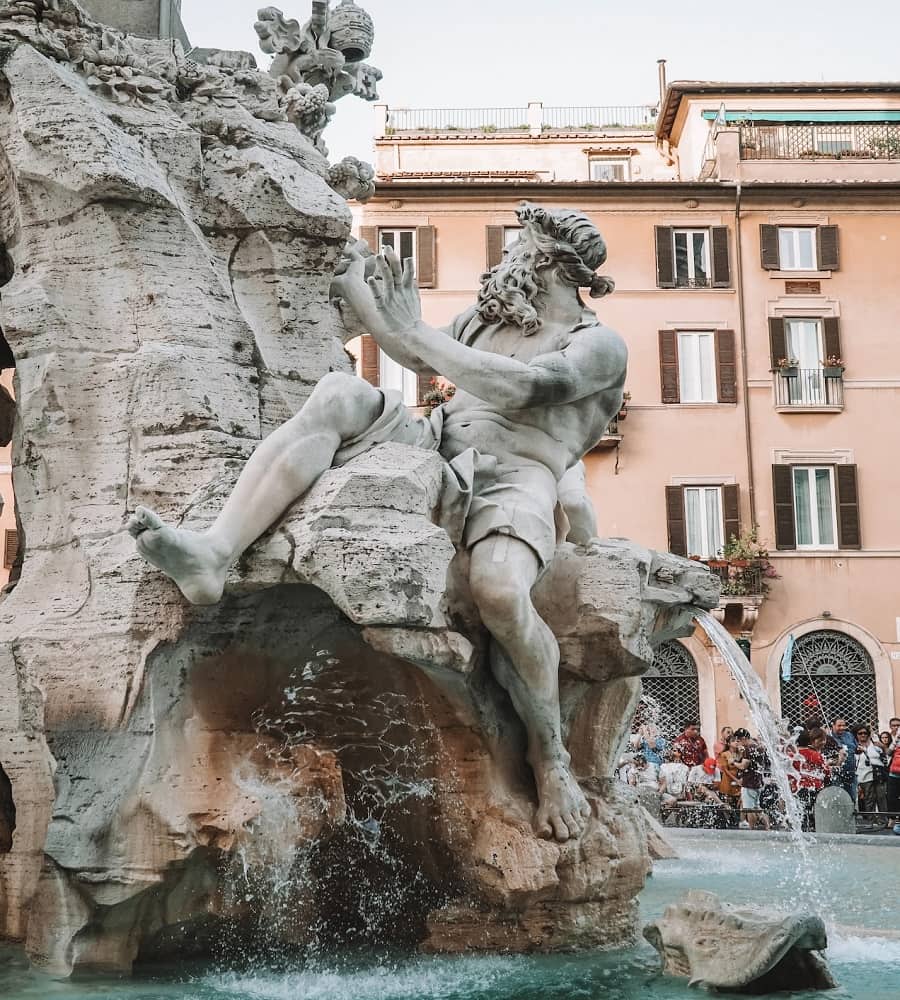
The “Fontana dei Quattro Fiumi,” also known as the Fountain of the Four Rivers, stands as a tribute to the artistic brilliance of Rome. This famous fountain in Rome was designed by the legendary sculptor Gian Lorenzo Bernini, and was completed in 1651. Located in the enchanting Piazza Navona, it is a splendid embodiment of Baroque magnificence.
The name of the fountain is based on the four large figures which symbolize the four major rivers of the continents during that period: the Nile, the Ganges, the Danube, and the Rio de la Plata. The figures represent the various continents and are decorated with typical features describing their respective rivers. The Nile, for instance, holds an obelisk, while the Ganges clings to an oar, symbolizing the river’s navigability.
The Fontana dei Quattro Fiumi is an excellent piece of work which demonstrates the exquisitely fine work of Bernini in sculpturing, but it also tells us a story of the varied and intertwined world of the 17 th century. When you see this masterpiece you are taken back to a time when there was a period of artistic discovery and cultural glorification, a real treasure among the numerous treasures of Rome.
3. Fontana delle Tartarughe (Turtle Fountain)

The “Fontana delle Tartarughe,” or the Turtle Fountain, is a beautiful and lesser known gem among the top fountains in Rome. Fountain was built between the period of 1580 and 1588, and it contributes to the artistic nature of the city in a whimsical way. The fountain is in the Jewish Ghetto and its history is intertwined with its location.
The Fontana delle Tartarughe features four young men, each holding a tortoise beneath their feet, supporting the basin above. The turtles, seemingly engaged in a graceful dance, contribute to the fountain’s delightful appeal. It is said that the design of the fountain was done by Taddeo Landini and Giacomo della Porta and the installation was done by the sculptor Antonio della Porta.
The Fontana delle Tartarughe is not as impressive as some of the other fountains in Rome but has a certain feeling of familiarity and craftsmanship. It is a miracle to the fact that the city is surprising and fascinating at every twist. When you go sightseeing around Rome, you must come across this hidden treasure and you will find the pleasure of discovering the hidden marvels that help in the eternal beauty of the city.
4. Fontana dell’Acqua Paola

The “Fontana dell’Acqua Paola,” also known as the Pauline Fountain, is a tranquil oasis nestled on the Janiculum Hill, offering resplendent views of Rome and the Tiber River. Built in 1612 under the patronage of Pope Paul V, this famous fountain in Rome is a testament to the city’s architectural grandeur.
The design of Fontana dell’Acqua Paola has its origins in ancient Roman baths including a huge semicircular basin with columns. In the center of the niche is the statue of Saint Peter, and the water is led down the mouths of lion heads. The source of water is the acqua paola aqueduct that is evidence of the city masters in hydraulic engineering.
In addition to artistic appeal, the fountain gives a relaxing view of the busy city beneath. The tourists are also given a chance to have relaxation time looking at the scenic views of the old rooftops of Rome, and the winding river, the Tiber. The Fontana dell’Acqua Paola is the place where you can have another vision of Rome, where the calmness of water is combined with the glory of the Eternal City.
5. Fontana della Barcaccia

The “Fontana della Barcaccia,” is a lovely fountain in Rome, which gracefully rises at the foot of the popular landmark of Rome, Spanish Steps. This monumental masterpiece, created by Pietro Bernini and his son Gian Lorenzo, at the beginning of the 17th century, has a legend of artistic ingenuity.
The fountain is in the form of a rocking boat made out of stone, as though it is being carried along by the waves of time. The water flows off the prow of the boat making a pleasant tune that is heard in the heart of the city. The Fontana della Barcaccia was an initiative born out of necessity, to solve the problem of low water pressure, but has become a symbol of splendor and strength.
This calm fountain represents the spirit of Rome – which is not deterred by difficulties, and makes beauty out of necessity. When you vist it, you find yourself enveloped by the calmness of its design and the overtones of the past. Fontana della Barcaccia is a place to stop and admire the combinations of elements of nature and human work, to ponder, and wonder, why Rome is a place of eternal attractiveness and innovation.
6. Fontana del Tritone

The “Fontana del Tritone,” a magnificent jewel one of the greatest jewels in the list of renowned fountains in Rome was sculpted by a famous artist Gian Lorenzo Bernini in the year 1642. This iconic masterpiece, located in the heart of Piazza Barberini, pays homage to the sea god Triton, son of Poseidon.
In the centre of the fountain, Triton rises out of the waters with a huge conch shell, over which water freely falls. The movement of the sculpture reflects the spirit of the sea, and the details of the sculpture demonstrate the remarkable mastery of Bernini. The Fontana del Tritone serves as a testament to the Baroque era’s fascination with movement and emotion.
The design of the fountain is both majestic and personal, and it easily blends into the city. Its association with the power and grandeur of the sea appeals to the history of Rome as a maritime empire. The Fontana del Tritone is not only a great work of art, but also a reminder of the city and water relationship and its enduring artistic heritage. You find yourself taken back in time to a time of artistic expression which still amazes and mesmerizes.
7. Fontana del Moro

The “Fontana del Moro,” or Fountain of the Moro is one of the finest fountains in Rome, located in the Piazza Navona. The fountain designed by Giacomo della Porta in 1570 and later adorned with sculptures by Gian Lorenzo Bernini, fountain weaves history and artistry into a harmonious masterpiece.
In the centre of the fountain is an upright figure of a Moor, executed by Bernini, struggling against a dolphin. The water is streaming out of the mouth of the dolphin which brings movement and liveliness to the picture. The original layout of the fountain by della Porta consisted of the basin and the center figure only but the addition of the Bernini added more artistic value to it.
The history of the Fontana del Moro is the history of Rome, which is capable of developing and maintaining its past. The presence of the Moor is a reference to the exotic and multicolored influences which influenced the city. When you look at the flowing water of the fountain, you are reminded of the cultural richness of Rome and the artistic prowess that characterized the renaissance era.
8. Fontana delle Api (Fountain of the Bees)

The beautiful “Fontana delle Api,” is an excellent work of Roman art, graces the charming Piazza Barberini. Designed by Gian Lorenzo Bernini in 1644, its name, the Fountain of the Bees, refers to the central feature of the fountain; a giant stone beehive, which sprays water.
The bees, which are a representation of the Barberini family crest, are dancing about the hive creating a feeling of industriousness and communism. The detailed work and realistic nature of the design demonstrates the mastery of Bernini. The Fontana delle Api commissioned by Pope Urban VIII serves the purpose of both artistic expression and remembrance of the impact of the Barberini family.
In the heart of Rome, the Fontana delle Api is a small marvel that encapsulates the city’s grandeur. It invites you to pause, observe, and appreciate the harmony between human ingenuity and the beauty of the natural world, a theme that resonates through Rome’s history and its renowned artistic treasures.
9. Fontana del Pantheon

The “Fontana del Pantheon,” is a perfect example of roman artistry, situated near the iconic and famous Roman building, Pantheon. It is a poetic testament to Rome’s harmonious blend of architecture and water. Built in 1575 by Giacomo Della Porta, the fountain in Rome complements the majesty of its surroundings.
The main structure of the fountain is an ancient Egyptian obelisk, which rises up high in the sky, representing the eternal relationship of the city with the past and the future. Water falls out of its basin producing a relaxing melody that is intertwined with the hustle and bustle of the city. The design of the Fontana del Pantheon is very simple with a touch of sophistication that reflects the Roman spirit of glorifying simplicity.
The fountain is a quiet reminder of the magnificence of the Pantheon itself, and reflects the Roman masterpiece in terms of architecture and water engineering. Its presence offers a tranquil oasis in the heart of the city, inviting passersby to rest and reflect. Fontana del Pantheon welcomes visitors to witness the power of Rome to blend history, architecture, along with water into a harmonious symphony that defines the timeless charm of the Eternal City.
10. Fontana delle Naiadi

The “Fontana delle Naiadi,” is another captivating landmark in Rome’s Piazza della Repubblica, is a celebration of mythical beauty and aquatic splendor. The fountain was designed by Mario Rutelli and inaugurated in 1901, as a tribute to the city and its profound relation to water and myth.
The centerpiece of the fountain comprises four bronze statues of water nymphs, or Naiads, each with water creatures around them. The Naiads represent the great Italian rivers: the Tiber, Nile, Danube, and Arno. They are gracious figures that move in graceful motions reflecting the spirit of running water that brings an element of magic to the crowded square.
The place where Fontana delle Naiadi is situated, in the center of modern Rome, speaks of the capacity of the city to harmonize the old with the new. The fountain is dedicated to the importance of water to the life and culture as well as the artistic expression. When water falls off the hands of the figures, it is a reminder of the flowing waters that have formed the history and identity of Rome.
11. Fontana dell’Acqua Felice

The Quirinal Hills in Rome feature the “Fontana dell’Acqua Felice” is a masterpiece of restoration and history. The fountain was commissioned by Pope Sixtus V in the end of the 16th century to honor the restoration of a historic Roman aqueduct, which supplied water to the city.
The main feature of the fountain is a monumental obelisk, which is an ancient Egyptian and Roman symbol of the eternal past. The water coming out of the base of the obelisk is directed to a basin to provide a mild constant reminder of the invaluable resource which has kept the city alive through all the centuries. The design of the Fontana dell’Acqua Felice combines practicality with artistic creation, something Rome knows how to do so well.
The name of the fountain, “Happy Water,” indicates happiness of rejuvenation of a city due to the provision of water again. When you stand in front of this historical monument, you are encouraged to consider the complexity of the connection between infrastructure and art and the strength of a city that has withstood the test of time.
12. Fontana delle Rane (Fountain of the Frogs)

There is the charming and whimsical “Fontana delle Rane” in Rome, in the beautiful Piazza delle Cinque Scola. This amazing fountain was made by Giacomo della Porta at the end of the 16th century and embodies the spirit of unforeseen happiness within the historic context of the city.
The fountain contains four bronze frogs, frozen in mid leaped movement, apparently dancing in good nature, so it is referred to as “Fountain of the Frogs”. This water comes out of their mouths, giving a musical sound to their sport. The design of the Fontana delle Rane adds a certain element of magic to the square, reminding people of the happiness that can be discovered even in the most basic of life situations.
This quaint fountain embodies Rome’s multifaceted character, where history, art, and whimsy intersect. When you come to Fontana delle Rane, you are brought to the thought that despite all the seriousness of the past, there is still time to have fun in a quite unexpected way. The fountain is inviting you to stop, smile and savor the surprising pleasures that the Eternal City can bring, to adopt the air of exploration that characterizes the charming streets of Rome.
13. Fontana della Pigna
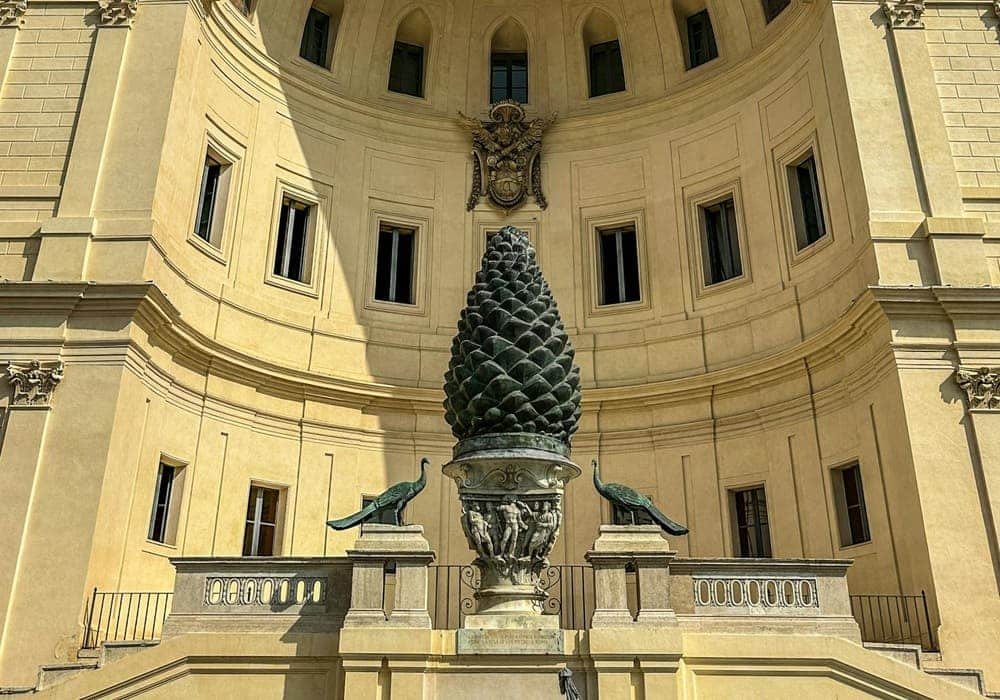
One of the hidden treasures of the fountains of Rome is the “Fontana della Pigna” which is located in the Vatican City. This highly detailed masterpiece adorns the Cortile della Pigna, a quiet courtyard at the Belvedere Palace of Vatican. The Pine Cone Fountain is made of a huge bronze pine cone, thought to have belonged to a Roman fountain at ancient Roman times. Its exact age and origin is not fully known but it is believed to have been made in the 1st or 2nd century AD.
This decorative pine cone, measuring approximately 4 meters (13 feet) in height, is thought to have been used to decorate a Roman fountain or garden in the ancient times. The Fontana della Pigna is currently proudly on show in the Courtyard of the Vatican Museums and visitors can enjoy the historical importance and the depth of its detailing as they continue to explore the wealth of art and culture contained within the vast collections of the Vatican Museums.
The name of the fountain can be translated as the “Pine Cone Fountain” and the main feature of the fountain is one huge bronze pine cone, a symbol of growth and spring. This pine cone has been taken out of a huge Roman fountain in the ancient Campus Martius. Located in the walls of Vatican, the Fontana della Pigna serves as a reminder of the artistic heritage of the city and the flow of inspiration over the centuries. The fountain is surrounded by the historical buildings of the Vatican which makes one ponder and reflect.
14. Fontana di Nettuno (Neptune Fountain)

The Neptune Fountain, also called the “Fontana di Nettuno”, is an imposing feature in the Piazza Navona in Rome. This magnificent fountain was created by Giacomo della Porta and later decorated by Antonio Della Bitta in honor of the god of the sea.
Completed in 1574, the Fontana di Nettuno features Neptune, the Roman god of the sea, standing atop a shell-shaped chariot pulled by seahorses. The greatness of its fountain and the detailed features emphasize the mastership of sculptors, and the four Tritons standing on the edges add a dynamic energy to the scene. The Neptune Fountain is full of might, and authority, and represents the maritime history of the city.
The Fontana di Nettuno is a grand centerpiece of the fountain surrounded by the splendor of the Piazza Navona. The flowing waters and the presence of Neptune create an impression of awe and admiration that calls upon visitors to marvel at the artistic heritage of Rome. When you find yourself in front of this fountain you are brought to mind of the relationship that the city has with water, myth and the eternal spirit that has come to characterize the Eternal City.
15. Fontana del Mascherone
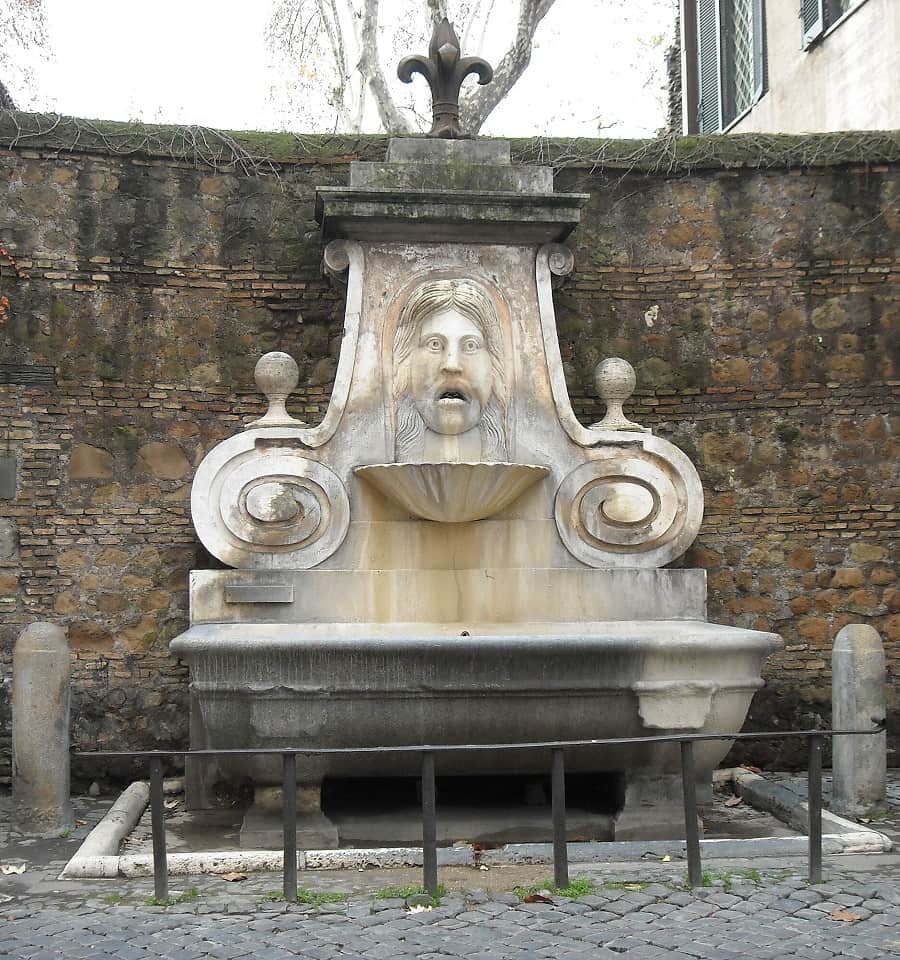
One of the less known gems of the fountains in Rome is the “Fontana del Mascherone” that can be found in Trastevere district. This quaint fountain was made in the 17th century and it has a certain charm which makes it reflect the spirit of the historic environment.
The fountain takes its name from the “mascherone,” a decorative mask that adorns its central column. The water is playfully coming out of the mouth of the mascerone, producing a calming and soft tune. The design of the Fontana del Mascherone is credited to Giovanni Vasanzio and it fits the artistic taste of the era of its creation, being elegant and plain.
The fountain stands as a quiet witness to the passage of time, and it is situated between cobblestone streets of Trastevere. It is characterized by its modest appearance, suggesting contemplation and reflection, and providing us with an insight into the daily life of the city. When you come to the fountain, you find yourself alone in the grandeur of Rome and that here can be found moments of simplicity and authenticity that are ready to be rediscovered.
16. Fontana dei Libri (Fountain of the Books)

The “Fontana degli Libri” or Fountain of the Books, is a unique and intellectual marvel hidden within the Vatican City. This is a refreshing break to the traditional aquatic artworks in Rome, which is nestled in the Cortile del Belvedere.
The Fontana dei Libri was designed by Giuseppe Valadier in the 19th century and features cascading waterfalls that flow over a stack of open books. The books represent knowledge, education and the pursuit of wisdom, appropriate tribute to the role of the Vatican as a place of learning and spiritualism. The masterful design and the symbolic representation of the fountain demonstrate the mastership of Valadier.
The Fountain of the Books creates an atmosphere of self-reflection and thought as it lies between the historic architecture of the Vatican and tranquil courtyards. This unique fountain, reminded of the timeless importance, knowledge and the way this city has a relationship with intellectual activities and artistry. The Fontana dei Libri is designed to make you consider the strength of ideas, and, thus, it is a real gem in the great fabric of the Vatican.
17. Fontana della Navicella

A beautiful and picturesque fountain in Rome, the “Fontana della Navicella,” graces the grounds of the Basilica di Santa Maria in Domnica, situated on the Caelian hill. It is said that the Fontana della Navicella was originally built under the regime of Pope Leo X in the first half of the 16th century, around the year 1519. It is an important work attributed to the famous Renaissance artist and sculptor Andrea Sansovino.
The fountain takes its name from the “navicella,” a small ship depicted in the central basin, which symbolizes the journey of faith. Water is gently passing through the hull of the ship and this provides a relaxing sound to the scene. The design of the Fontana della Navicella can be linked to the Renaissance’s fascination with classical themes and natural forms.
The fountain is a calm moment of reflection, placed in the courtyard of the Basilica. Its existence provides a break in the flow of the city, where the visitors are encouraged to reflect on the relationship between faith and the process of living. Fontana della Navicella recall the ancient pursuit of spiritual satisfaction and the way the city has been able to merge art and architecture with piety in such a wonderful interlude that defines the lasting charm of Rome.
18. Fontana degli Artisti

The “Fontana degli Artisti,” is a another hidden gem at the centre of Rome, is a tribute to the city’s love of innovation and artistic freedom. This lovely fountain designed in the 20th century by Pietro Lombardi reflects the very definition of the artistic spirit of the city that has never ceased to flourish in the Eternal City.
The fountain is designed with a sculpture of an artist who is working on a canvas, surrounded by other elements symbolizing various artistic disciplines. Water is softly streaming down the brush of the artist, bringing a sense of delight to the scene. The Fontana degli Artisti is devoted to the rich cultural heritage of the city and the energetic community of artists.
Fontana degli Artisti is close to Piazza Fiume which is a peaceful way to escape the city life. Its existence provokes thought and reflection on the influence of art in developing the identity of Rome. The fountain reminded of the dedication that the city has made to cultivating creativity. In addition to its tradition of being the place where artists of all backgrounds can go to experience the beauty and genius of imagination and innovation.
19. Fontana della Botte (Fountain of the Barrels)

The “Fontana della Botte”, or the Fountain of the Barrels, is a very special and lovely fountain, located in one of the Trastevere areas of Rome. This whimsical fountain is 17th century, which makes it a little rustic and very beautiful addition to the old streets of the city.
The fountain got its named after the huge wine barrels that ornament the construction. The water coming out of the barrels into a central basin forms a serene environment, reminiscent of the simplicity of life of olden days. The design of the Fontana della Botte resembles a classic Italian courtyard, where water was used to be collected daily
Its simple beauty encourages anyone that passes to sit down and consider the longstanding customs of the city. When you first see the Fontana della Botte, you get taken back to a time when the life of the community was based in the common areas and simple joys of the community- a beautiful reminiscence of the eternal beauty of Rome and the tales it encompasses in its streets.
20. Fontana del Facchino (Fountains of the Porter)
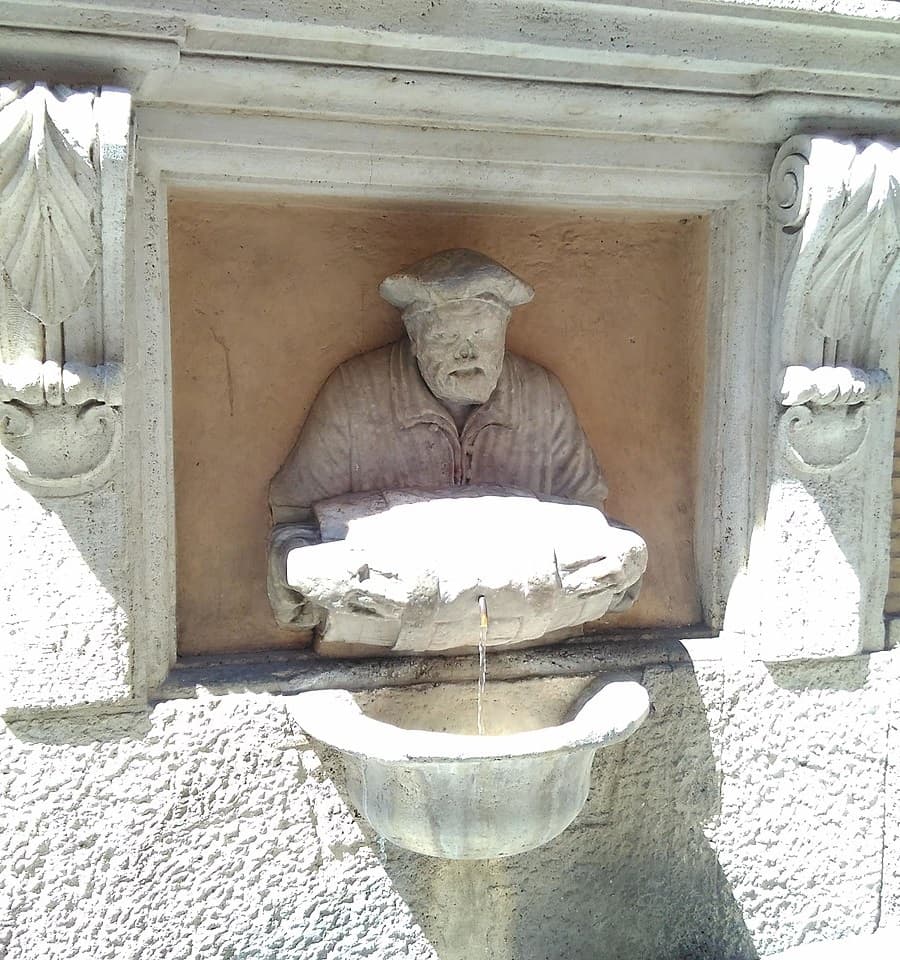
The “Fontana del Facchino” is a fascinating fountain located in one of Rome’s most secretive locations, a tribute to the working classes of the city. The fountain was designed in the 16th century, and it embodies the essence of daily life and the bustling life of the historic environment.
The fountain’s centerpiece is a bronze statue of a porter, or “facchino,” carrying a barrel on his shoulder. The barrel is playfully sprinkled with water which brings the picture to life and makes it look beautiful. The design of the Fontana del Facchino honors the workers who were a part of the busy streets of the city.
This fountain is found in the colorful Piazza delle Cinque Scole, which is a peaceful spot between the more popular sights of the city. When you see the Fontana del Facchino, you are reminded of te multi-coloured tapestry of life that surrounds Rome, and the tales of the people who have made the City what it is to-day, a beautiful ode to the common men who have become the heroes of the day in Rome.
The fountains of Rome are not only sources of water but they are living works of art and each fountain has got its own story and importance. These top 20 fountains in Rome present the rich history, heritage, and timeless appeal of the city. Visiting these fountains you can immerse yourself in the timeless beauty of the Eternal City, in which history and art blend in perfect harmony.